
Moab, Utah, invites off-road enthusiasts to explore dramatic sandstone canyons and sweeping vistas where adventure meets raw natural beauty. This guide highlights practical strategies to enhance your scenic experience while navigating some of the region's toughest terrain.
Start Early to Avoid Heat
Begin your off-road journey before 8 AM to capture cooler temperatures and the best natural lighting for photography.
Hydrate Consistently
Carry at least 3 liters of water per person; the desert sun and exertion demand frequent hydration.
Choose the Right Tires
Use off-road tires with strong sidewalls and varied tread to handle rocky and sandy terrain safely.
Bring Reliable Navigation
GPS units with offline maps and a paper map backup help you stay oriented when cellular signals disappear.
Maximizing Scenic Views During Off-Road Journeys in Utah's Moab Region

Two-Hour Tour
Thrilling Offroad Tour! | All Ages | $99 Per Adult
Discover the thrill of Moab’s rugged landscapes with Big Iron Tours’ two-hour off-road adventure. Perfect for all ages, this trip combines fun, scenery, and a taste of local history in a swift, family-friendly experience.
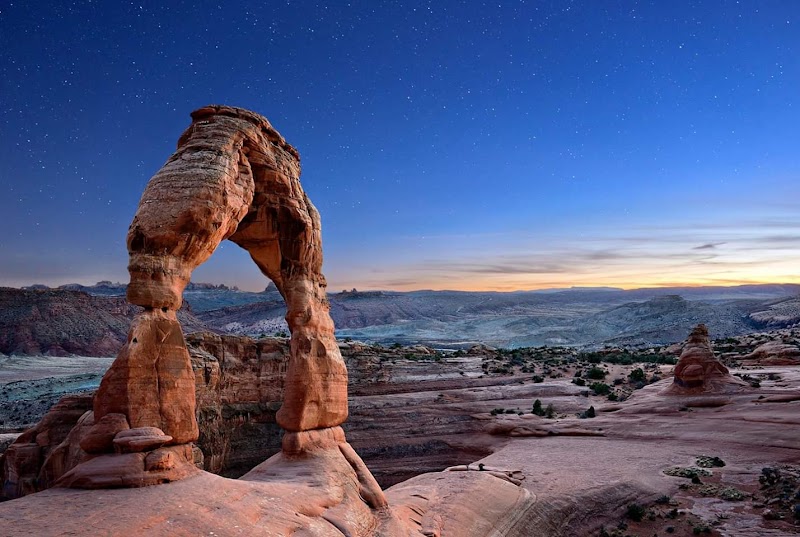
Utah’s Moab region offers some of the most exhilarating off-road routes for adventurers eager to engage with terrain that challenges both driver and eye. The landscape moves fiercely between red sandstone mesas and deep river canyons, daring you to seek vantage points where the panoramic views stretch endlessly. To truly maximize scenic rewards on your off-road journey here, choose routes like the Slickrock Bike Trail vicinity or the challenging Hell's Revenge trail, both delivering elevation gains of 500 to 1,000 feet over rugged surfaces that test tire grip and steering precision. The terrain is predominantly rocky, with loose gravel and occasional sand traps that the desert wind sculpts unpredictably.
Begin your day early to dodge midday heat and catch the shifting sunlight playing across arches and canyons. Carry at least 3 liters of water per person; hydration is non-negotiable in this arid climate. Good off-road tires with reinforced sidewalls and tread designed for varying traction are essential, as loose rock and steep ascents push vehicle limits. Footwear should be sturdy with good ankle support—think trail boots rather than sneakers—as you’ll want to safely disembark often to explore photo stops or short hikes to viewpoints.
As you navigate, pay attention to the rock formations—their curves and crevices reveal the geologic forces at play, shaped by time and wind that seem to breathe with the landscape. The Colorado River moves assertively below, carving its path relentlessly, offering glimpses that reward those who take breaks at designated overlooks.
Safety is practical. Know your limits; some trails demand technical driving skills to manage sharp switchbacks and sudden drops. Use GPS maps and bring a paper backup. In the absence of cellular signals, reliable navigation keeps you from wandering into unfamiliar territory that nature guards fiercely. Plan your stops at well-known points like Panorama Point or Poison Spider Mesa for the best blend of accessibility and visual grandeur.
Even casual adventurers will find these routes accessible with preparation, while seasoned off-roaders will appreciate the challenge and potential detours into hidden side paths revealing quieter, less trafficked views. A balance of respect for the environment and readiness ensures the experience remains rewarding and safe, letting you engage fully with the raw beauty Moab offers.
Packing multi-tools, proper lighting, and emergency supplies secures the journey against unexpected hurdles. Whether you’re photographing the play of shadows across canyon walls or soaking in the expansive horizons at sunset, the Moab off-road trails display nature fiercely itself, awaiting those ready to meet the challenge with eyes wide open and hands steady on the wheel.
Nearby Trips
All Adventures
Boat Charters
Water Activities
Adventures near Moab
Discover the unique and memorable adventures that make Moab special.
Frequently Asked Questions
What are the lesser-known viewpoints to visit around Moab?
Beyond Panorama Point and Poison Spider Mesa, try the Gemini Bridges overlook for quieter, expansive views of the canyon terrain.
Which wildlife species should I watch for on off-road trails in Moab?
Look for desert bighorn sheep on cliff edges, swift lizards sunning on rocks, and golden eagles riding thermal drafts above.
Are there any cultural or historical sites accessible during these off-road trips?
Yes, certain trails near Moab pass by ancient petroglyphs left by the Ancestral Puebloans and historic mining remnants.
What environmental considerations should I keep in mind?
Stay on established trails to protect fragile desert crusts and vegetation. Pack out all trash and avoid disturbing wildlife.
When is the best time of day for landscape photography during off-road journeys?
Early morning and late afternoon provide the most dramatic shadows and warm light, enhancing the red rock formations.
Do I need special permits for off-road trails in Moab?
Most popular routes are open without permits, but some sensitive areas may require permits—check BLM regulations in advance.
Recommended Gear
Off-road Tires
Durable tires with strong sidewalls improve traction and resistance on rough terrain.
Hydration Pack
Allows hands-free water access, essential during long drives and hikes in dry conditions.
GPS Device with Offline Maps
Ensures navigation capability where cellular signals are absent or unreliable.
Sturdy Trail Boots
Provides ankle support and foot protection when exploring on foot in rocky areas.
Local Insights
Hidden Gems
- "Gemini Bridges overlook – less crowded with sweeping views"
- "Gold Bar Rim Trail – challenging yet offers striking vistas"
- "Off-the-beaten-path side canyons near Kane Creek"
Wildlife
- "Desert bighorn sheep"
- "Golden eagles"
- "Collared lizards"
- "Jackrabbits"
History
"Moab’s landscape is rich with human history, from Ancestral Puebloan rock art to 19th-century mining camps, reflecting centuries of interaction with the land."