
Deep-sea fishing success hinges on aligning your trip with nature’s rhythms. From the best months to fish to interpreting barometric pressure and tides, learn how timing and weather shape your chances at a big catch off Miami’s coast.
Check Marine Weather Forecasts Daily
Weather at sea can change rapidly. Use dedicated marine or coastal weather apps to track wind speed, wave height, and pressure changes to ensure safe and effective fishing days.
Plan for Early Morning Starts
Fish feeding activity peaks at dawn. Arriving at your fishing spot before sunrise maximizes calm water conditions and higher fish activity levels.
Use Tide Charts Strategically
Schedule your trip around incoming tides when baitfish move inshore, attracting predatory fish closer to your fishing grounds.
Wear Layered, Water-Resistant Clothing
Ocean spray and changing conditions require flexible clothing. Layers help you adjust to early morning chill and midday heat while staying dry and comfortable.
Timing and Weather Conditions That Maximize Deep-Sea Fishing Success

Half Day Charter - 6 Hour
6 Hours • Ages 6+
Join FV Outta Line for an exhilarating six-hour deep-sea fishing trip in Destin’s renowned Gulf waters. With expert guidance and all gear provided, you'll have the chance to reel in a variety of fish and create memorable moments on the water. Perfect for anglers of all levels—discover why Destin is a premier fishing destination.
Deep-sea fishing is a dance with the ocean’s moods, where timing and weather dictate not just the comfort of your trip, but the bounty you haul from beneath the waves. The ocean, endlessly restless and fiercely unpredictable, demands respect and understanding to turn a fishing expedition into a triumph rather than a tale of missed chances.
When planning your deep-sea fishing adventure, the first element to master is temperature and seasonal timing. The prime months along coastal hubs like Miami, Florida, swing between late spring and early fall (April to October). During this stretch, water temperatures rise, coaxing species like mahi-mahi, tuna, and marlin closer to the surface and nearer to shore. Cooler months see fish slip deeper, seeking refuge, making them harder to catch.
But temperature alone won’t secure a catch. Weather conditions exert a powerful influence on fish activity and your fishing safety. Early mornings, just as dawn breaks, reward patience with calmer seas and a heightened feeding frenzy — the ocean’s sharp edge softening as fish pursue their breakfast. Avoid high winds and rough seas, which churn the water and scatter baitfish, sending game fish into hiding or deeper waters. A steady light breeze is ideal, allowing for manageable boat control and better lure presentation.
Barometric pressure patterns offer another subtle clue. Fish respond keenly to these atmospheric shifts; a falling pressure often signals an approaching storm, reducing fish activity as they sense the coming disturbance. Conversely, rising pressure usually stirs fish into aggressive feeding routines. Tracking these fluctuations with a reliable barometer app or onboard instruments sharpens your timing and primes your tackle for success.
Understanding tides is vital. Incoming tides push baitfish and nutrients toward the shoreline or around underwater structures like reefs and wrecks, where predatory fish wait. Plan your trip around these tidal windows, especially during a high tide or just before it shifts. Slack tide, the period between tides, tends to slow fish movement and reduce strikes.
Practical preparation is key: load your gear according to season and species target, prioritize safety with updated weather forecasts, and choose charter captains familiar with local conditions—they read the ocean’s subtle language daily. Bring layered clothing for variable wind and spray, hydration for long hours under sun and salt, and devices charged for navigation and weather updates.
Encountering the sea when conditions align—the right season, gentle winds, patient tides, and rising pressure—is to engage with a wild force in its own rhythm. Fish are not trophies to be taken at will, but equals in an age-old contest of wits and timing. Respect their patterns, prepare for shifting moods, and the ocean rewards the disciplined angler with moments of fierce, electric connection and the thrill of the catch.
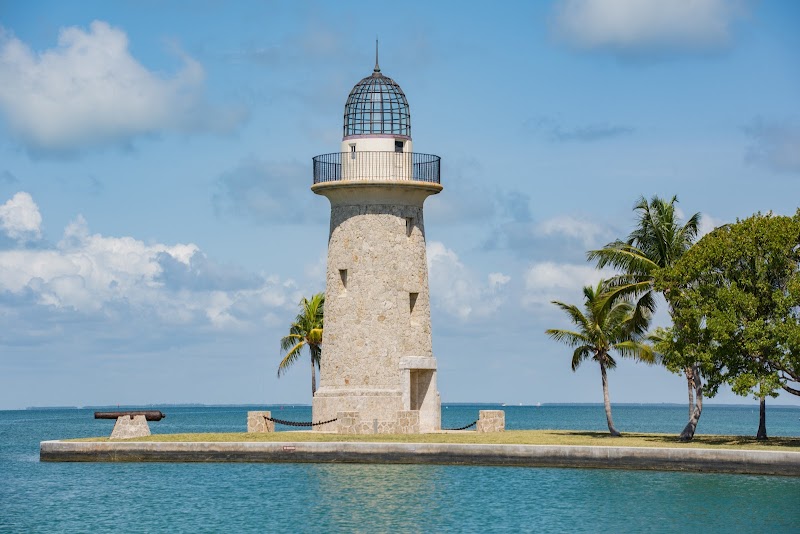
Nearby Trips
All Adventures
Boat Charters
Water Activities
Adventures near Miami
Discover the unique and memorable adventures that make Miami special.
Frequently Asked Questions
How does barometric pressure affect fish behavior?
Fish are sensitive to pressure changes; falling pressure often means fish will feed less as storms approach, while rising pressure usually fuels more active feeding. Monitoring pressure helps anglers target peak activity windows.
What tides are best for deep-sea fishing?
Incoming tides bring nutrient-rich water and baitfish closer to shores and structure, stimulating predator activity. Plan trips around incoming or high tides for increased chances of catching game fish.
What weather should be avoided for safety and success?
Strong winds over 20 knots, heavy rain, and rough seas create dangerous conditions and scattered fish. Avoid fishing during storms or if marine forecasts predict rapidly deteriorating conditions.
What time of day offers the best fishing conditions?
Dawn is prime time—light winds and cooler temperatures trigger fish feeding. Late afternoon can also yield results, but weather trends often deteriorate after midday.
What species are most common off Miami during prime fishing months?
Expect mahi-mahi, sailfish, marlin, tuna, and snapper among others, attracted by warm water currents and abundant baitfish.
How to prepare for sudden weather changes offshore?
Carry waterproof gear, secure loose items, have communication devices handy, and always check the latest weather updates before and during your trip.
Recommended Gear
Waterproof Jacket
Protects from ocean spray and sudden rain, essential for variable weather during early and late seasons.
Polarized Sunglasses
Reduces glare on water surface, helps spot fish activity and bait schools.
Hydration Pack
Keeps you hydrated under intense sun, especially important for long hours on open water.
Sun Protection (Hat & Sunscreen)
Exposure can be relentless; protecting skin is vital for comfort and safety.
Local Insights
Hidden Gems
- "Biscayne National Park coral reefs just offshore offer diverse fishing grounds and spectacular underwater views."
- "The shallow wrecks near Miami's coast provide feeding hotspots often overlooked by casual anglers."
Wildlife
- "Keep an eye out for flying fish darting above the waves and pods of dolphins that chase bait schools and sometimes escort fishing boats."
- "Sea turtles, often near reefs, may appear curiously among fishing activity."
History
"Miami’s fishing culture has roots in Cuban and Bahamian traditions, blending centuries of indigenous and immigrant knowledge of these waters."