
Discover the best times and conditions for whale viewing in Hawaii’s winter habitat, where humpbacks gather from December through April. This guide offers practical tips and essential insights to help you plan a rewarding encounter with these magnificent giants along Hawaii’s scenic coasts.
Choose Early Morning for Calm Seas
Morning hours typically bring calmer ocean conditions, reducing waves to improve whale visibility and comfort while hiking coastal trails.
Pack Binoculars and Water
Binoculars enhance distant views and water keeps you hydrated during walks or hikes, especially under Hawaii’s winter sun.
Wear Comfortable Footwear
Coastal trails range from rocky outcrops to forested paths, requiring sturdy shoes with solid grip and waterproofing for uneven terrain.
Respect Wildlife and Marine Regulations
Maintain a safe distance from whales and avoid drones near protected marine areas to minimize disturbance to the animals.
Timing and Conditions for Optimal Whale Viewing in Hawaii's Winter Habitat
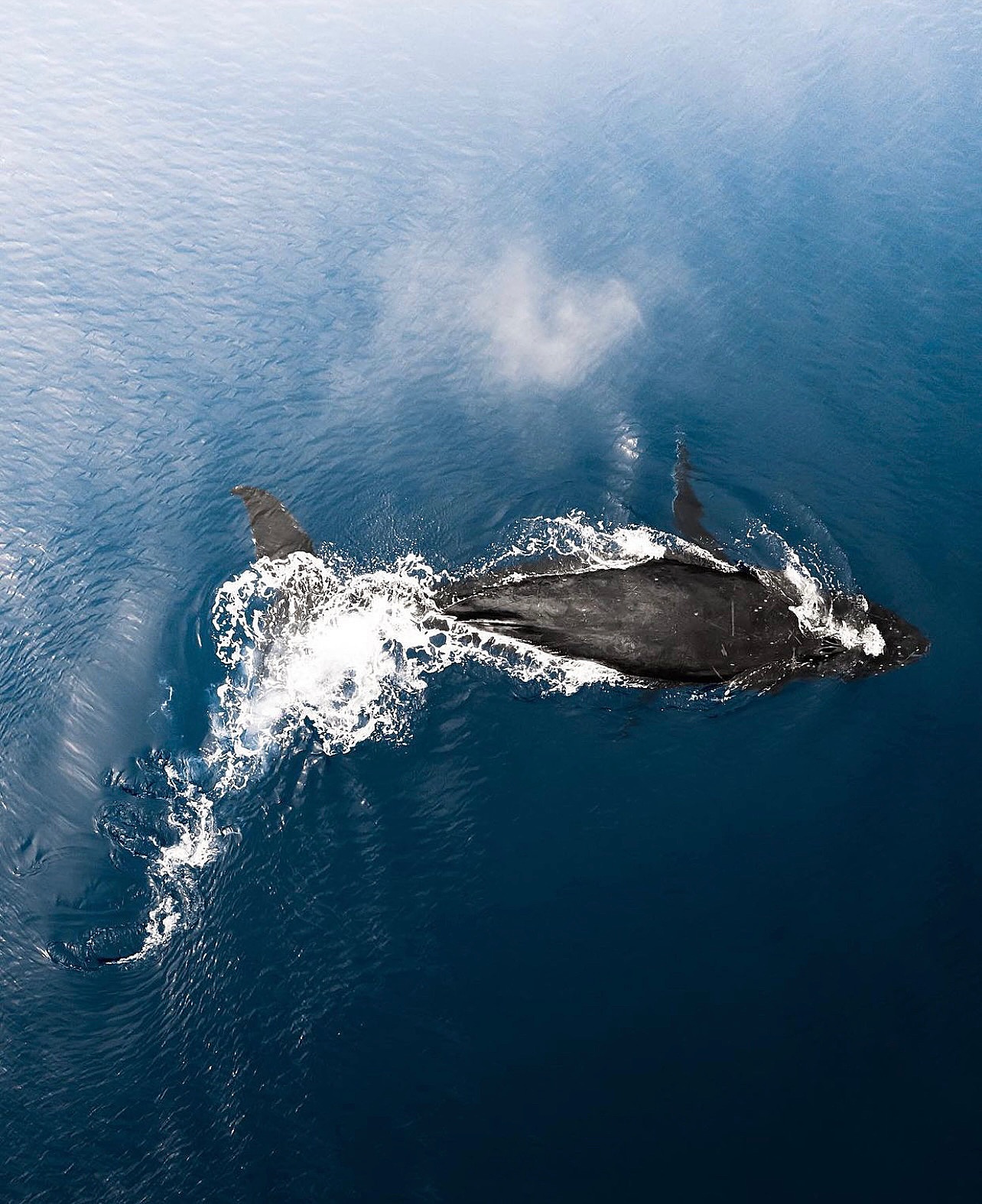
Public Whale Watch Eco Tour
2 Hour Tour • Available Dec - March
Experience the magic of humpback whales up close with a private eco tour off the coast of Haleiwa. Discover marine life, learn about conservation, and enjoy a tranquil ocean adventure tailored just for you.
Every winter, the waters off Hawaii transform into a vast stage where humpback whales gather, drawn by warm seas and safe breeding grounds. Between December and April, these giants arrive from Alaska’s frigid waters, seeking sanctuary in the Hawaiian Islands’ sheltered coves. To witness these creatures, timing and conditions are crucial; the ocean is a living force, both revealing and concealing the whales depending on the wind, light, and tides.
Best whale viewing happens when the winds calm and the ocean smooths out, letting you pick out the spouts and breaches that punctuate the horizon. Mornings often offer the calmest seas before trade winds pick up and stir the surface into restless waves. Along shorelines like Maʻalaea Bay on Maui or the northern coast of Kauai, natural vantage points allow you to scan the waters with minimal effort. These spots usually require only a short walk or a modest hike on well-marked paths ranging from 0.5 to 3 miles round trip, with gentle elevation gains under 400 feet.
If you want to combine whale watching with a bit of hiking, trails like the Kalaupapa Peninsula on Molokaʻi or the Makena Head Trail on Maui provide elevated views that catch the whales’ aerial performances against the backdrop of volcanic ridges. Terrain varies from rocky outcrops to forested ridges, demanding sturdy footwear and a mindful pace. Here, the land and sea engage in a conversation — waves daring you forward, currents pushing stories aloud.
Practical preparation improves the experience dramatically. Start early, aiming for mid-morning windows to avoid crowd surge and capture soft light ideal for observation and photography. Bring water; Hawaiian sun can be fierce in its steady insistence, even in winter. Binoculars sharpen distant spouts into clear actions. Dress in layers, given ocean breezes that can cool exposed skin unexpectedly. Avoid extensive use of drone photography as protected marine wildlife zones require mindful distance and respect.
Watching whales in their Hawaiian winter habitat is an interaction with something fiercely itself — wild, unpredictable, and majestic. They breach and slap their tails, shaping pools of spray that catch the sun like fleeting diamonds. They remind you that these seas are their refuge and playground, and that your timing, your patience, and your respect are what opens the curtain to this grand spectacle. Plan well, listen to the shifting environment, and you’ll meet the whales on terms they choose, in moments that stay vivid far beyond the trip.
Nearby Trips
All Adventures
Boat Charters
Water Activities
Adventures near Lahaina
Discover the unique and memorable adventures that make Lahaina special.
Frequently Asked Questions
When exactly can I see the most whales in Hawaii?
The peak whale watching season runs from mid-December to mid-April, with the highest concentrations typically from January through March when whales are most active in breeding and calving.
Are there any specific places recommended for whale watching hikes?
Yes, locations such as the Makena Head Trail on Maui, Maʻalaea Bay viewpoints, and the Kalalau Lookout on Kauai offer both scenic trails and strong whale activity.
Is it safe to swim or kayak near whales?
It's important to maintain a respectful distance of at least 100 yards from whales. Getting too close can be dangerous and is illegal in most Hawaiian waters.
What role do ocean conditions play in whale visibility?
Calm seas and low wind are key for spotting whales. Choppier waters hide blows and make it harder to track movement, reducing viewing success.
Can I see whales outside of the winter months?
While most humpback whales leave Hawaiian waters by late spring, occasional sightings happen year-round but are rare and unpredictable.
Are there any cultural practices connected to whale watching in Hawaii?
Humpback whales, known locally as ‘kohola,’ hold cultural significance in Hawaiian tradition, symbolizing guardianship and connection between ocean and island communities.
Recommended Gear
Sturdy Hiking Shoes
Essential for handling rocky and sometimes slippery terrain on coastal and forested paths.
Binoculars
Crucial for spotting distant whale blows and behaviors across open water.
Layered Clothing
Layers help adapt to cool ocean breezes and variable sun exposure during winter hikes.
Reusable Water Bottle
Staying hydrated is key to maintaining energy on outdoor adventures.
Local Insights
Hidden Gems
- "Puʻu Pehe (Sweetheart Rock) viewpoint on Lanai offers quiet whale watching opportunities away from crowds."
- "The Nakalele Blowhole area on Maui provides dramatic coastal views with occasional whale spouts visible offshore."
Wildlife
- "Besides humpbacks, keep an eye out for spinner dolphins, sea turtles, and native seabirds like the wedge-tailed shearwater."
History
"Hawaiian whales have inspired native chants and stories that honor their return each winter, reflecting a deep spiritual connection with the ocean’s rhythms."