
Interior Alaska’s winter nights provide a prime stage for viewing the aurora borealis, but success depends on understanding the right timing and conditions. This guide offers practical insights into aligning your adventure with clear skies, solar activity, and proper preparation to experience one of nature’s greatest light shows.
Check Aurora Forecasts Regularly
Use KP index predictions and local aurora forecast websites to plan your outing on nights with the highest likelihood of activity.
Dress in Layered, Insulating Clothing
Prepare for sub-zero temperatures with multiple clothing layers, moisture-wicking base layers, and windproof outer shells to maintain warmth effectively.
Bring Traction Accessories for Ice
Spikes or crampons can prevent slips on icy trail sections, improving safety during your night hike.
Hydrate Despite the Cold
Carry insulated bottles to prevent freezing and drink regularly—cold air dries your body quickly, even in winter.
Timing Aurora Displays: Mastering Interior Alaska’s Winter Nights

Aurora Viewing
Ages 5+ • 4 Hours
Experience the mesmerizing dance of the Northern Lights from a cozy lodge in Fairbanks. Join Aufeis Eatery and Tavern for an intimate, four-hour aurora-viewing adventure that combines stunning natural sights with Alaskan hospitality.
Interior Alaska’s winter nights offer a striking theater where the aurora dances against a backdrop of quiet wilderness. To catch this elusive light show, understanding the timing and conditions is key. The aurora borealis doesn’t simply appear at random; it demands a blend of dark skies, clear weather, and solar activity aligned just so.
First, the nights in Interior Alaska stretch long and cold from November through March, giving ample darkness essential for spotting auroras. But timing your outing around the solar cycle and local cloud cover matters most. Look for nights with clear skies and minimal moonlight—new moon phases around December and January offer the deepest darkness, sharpening the green and purple hues against the sky.
Auroras respond to the invisible pulse of solar winds striking Earth’s magnetic shield. The stronger the solar storms, the more vibrant and frequent the aurora activity. Websites like the Geophysical Institute at the University of Alaska Fairbanks provide real-time KP index forecasts—values above 3 often mean aurora sightings are more robust. Planning your trip to coincide with predicted solar peaks increases your chances.
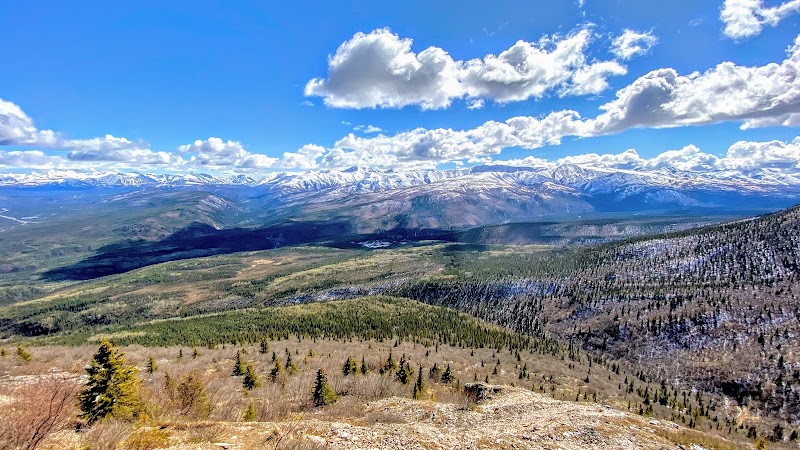
The terrain of Interior Alaska holds a quiet power, with forested trails that crunch underfoot and frozen rivers daring you near their edges. In winter, trails remain accessible for snowshoes or crisp hiking boots, though the uneven frozen ground challenges balance and stability. Elevation gains on common viewing hikes range from gentle hills to moderate slopes around 500 feet, offering sweeping views that open to broad night skies where auroras sweep overhead.
Travelers should prepare for sub-zero temperatures and fluctuating weather. Layered clothing, waterproof boots, and insulated gloves become partners in this adventure, alongside portable hand warmers and sturdy headlamps. Hydration remains crucial despite the cold; dry air pulls moisture quickly. Bring insulated water bottles and plan breaks off the trail to sip and refuel without losing warmth.
Timing your aurora hike optimally means aiming for early evening to midnight hours, when geomagnetic activity often peaks. While the auroras sometimes surprise later into the night, early planning helps maintain energy and warmth for the visit. Be ready to move along the trail steadily but carefully; icy patches hide beneath snowdrifts, demanding attention.
Interior Alaska’s winter nights are fierce and quietly inviting—the aurora ride is a visceral encounter with nature’s raw pulse. With smart timing, gear, and respect for the environment’s demands, these sleepless nights offer one of the world’s most stunning and accessible light shows, rewarding the prepared with a glimpse into Earth's cosmic conversation.
Nearby Trips
All Adventures
Boat Charters
Water Activities
Adventures near Fairbanks
Discover the unique and memorable adventures that make Fairbanks special.
Frequently Asked Questions
When is the best time at night to see the aurora?
Auroras typically peak between 10 PM and 2 AM, although displays can start earlier and occasionally last past dawn. Planning hikes during these hours maximizes viewing chances.
How important is moon phase for aurora visibility?
A new moon or minimal moonlight is ideal because a bright moon washes out the aurora’s colors. Check lunar calendars and aim for darker nights to enhance the spectacle.
Can the aurora be seen from within Fairbanks city?
Yes, but light pollution reduces clarity. For best results, travel 20-30 minutes outside Fairbanks to quieter spots where dark skies offer better visibility.
Are snowshoes necessary for aurora hikes?
Depending on snow depth and trail conditions, snowshoes often improve traction and energy efficiency. In shallow snow or packed trails, insulated boots with traction aids may suffice.
What wildlife might I encounter during winter hikes?
Foxes and owls are active in winter nights, with the occasional moose near wooded trails. Wildlife activity is generally subdued but observing tracks adds interest.
How can I stay safe in extreme cold during night hikes?
Layer appropriately, stay hydrated, move steadily but carefully over icy terrain, and know your signs of hypothermia. Carry communication devices and inform others of your plans.
Recommended Gear
Insulated Waterproof Boots
Keeps feet warm and dry on icy, snowy trails, critical for comfort and safety.
Layered Clothing System
Allows temperature regulation and protection against freezing temperatures and wind.
Headlamp with Extra Batteries
Hands-free light to navigate dark trails safely during night hikes.
Portable Hand Warmers
Provides supplemental warmth to extremities during long exposures to cold.
Local Insights
Hidden Gems
- "Angel Rocks Trail offers an elevated, less crowded vantage point with expansive views of open sky and darker conditions."
- "Chena River State Recreation Area provides frozen river corridors that reflect auroras subtly on ice surfaces."
Wildlife
- "Snowshoe hares and red foxes frequent forest edges by night, moving with careful stealth under the cold sky."
History
"The indigenous Athabaskan people viewed the aurora as spiritual messengers, believing the lights represented ancestors communicating through the sky, a tradition still honored by local communities today."