
Perfect Timing and Weather for Florida Scallop Snorkeling Adventures
Scallop snorkeling in Florida offers a unique underwater adventure during the warm summer months. Experience clear, calm waters and vibrant seagrass beds teeming with bright bay scallops while learning essential timing and weather tips to make the most of your trip.
Start Early for Calm Waters
Morning hours provide the calmest seas and clearest visibility, reducing surface chop and improving your chances to spot scallops easily.
Check Tide Charts Before You Go
Optimal tidal windows avoid very low tides that expose too much seagrass or strong currents that complicate snorkeling.
Wear Proper Snorkel Gear
A well-fitted mask and comfortable fins improve underwater vision and maneuverability, crucial in seagrass habitats.
Monitor Weather Closely
Summer storms or tropical activity can disrupt visibility and safety; plan with up-to-date local weather reports.
Perfect Timing and Weather for Florida Scallop Snorkeling Adventures

Scallop Adventures
Starting at $109 | Our most popular tour!
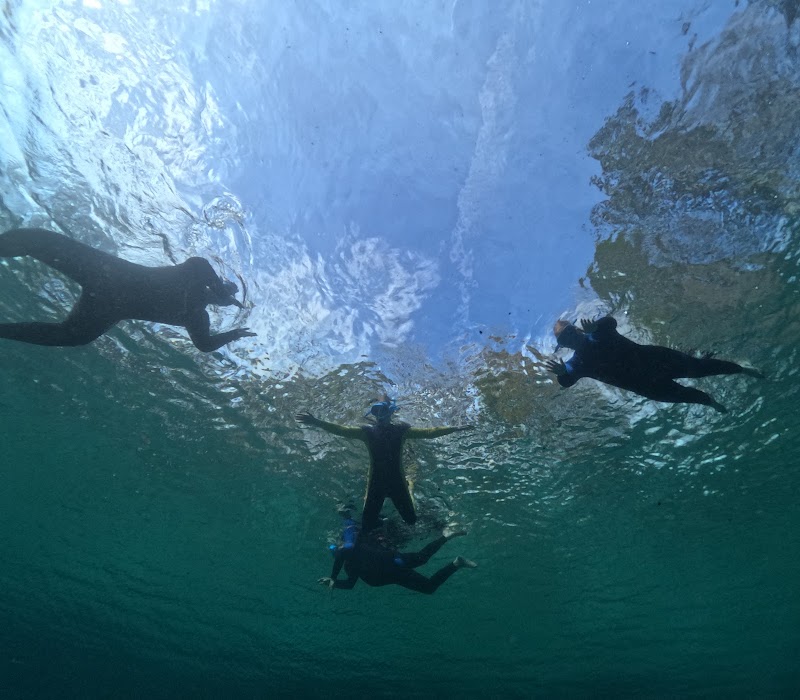
Kick off your summer with a hands-on scallop catching adventure in Homosassa. Snorkel in clear waters, grab fresh scallops, and enjoy the area's rich marine life with Mellow Mangrove Charters.
Florida's coastal waters transform each summer into a sparkling playground for scallop snorkelers—where timing and weather aren't just details but the difference between a successful dive and a missed season. These translucent bivalves gather in shallow seagrass beds, usually from July through September, thriving in calm, warm waters where visibility extends beyond 20 feet. Planning your trip during the peak scallop season means immersing yourself in clear turquoise waters, the seagrass gently swaying as small currents nudge you forward.
The weather plays a silent but decisive role. Early morning outings are your best bet: air and water temperatures hover comfortably in the mid-80s, and winds that usually rouse the waves settle into a soft whisper. The sun rises slowly over the horizon, casting a steady light that lends the ocean an inviting transparency, perfect for spotting the bright orange scallops nestled among the seagrass. Midday often brings increasing winds and choppier surface conditions that can cloud visibility and tire your strength faster.
Water temperature should linger between 75°F and 85°F for comfortable snorkeling. When the temperature dips below that range, scallops retreat to deeper waters, making them harder to find. Rainstorms, common in summer, churn sediment up, reducing visibility drastically; keep an eye on local forecasts and be ready to shift plans. Tropical activity is a seasonal threat, as sudden squalls can whip surface conditions unpredictably, turning calm inlets into challenging arenas.
Navigating these conditions requires preparation: opt for a mid-morning start, when winds are often weakest and tides still favorable to expose scallop beds. Use a wrist tide chart app and avoid the lowest tides too close to midday, when waters pull too shallow or currents intensify. Seagrass meadows demand a gentle approach—resist the urge to kick hard and spook the scallops hiding below. Your fins and mask need to be sharp in fit and function, minimizing distractions and maximizing underwater awareness.
Embrace the natural rhythm of this marine setting; the Gulf and Atlantic coasts of Florida do not yield easily. The currents dare you to stay balanced and observant; the sun dares you to time your trip just right. This seasonal flee-and-return of the bay scallop is an invitation to move with the water, matching its pulse and respecting its fierce but quiet power. Planned with these practicalities in mind, your scallop snorkeling trip will be a true adventure, filled with clear glimpses of vibrant life below the surface and the thrill of discovery at every breath.
Nearby Trips
All Adventures
Boat Charters
Water Activities
Adventures near Crystal River
Discover the unique and memorable adventures that make Crystal River special.
Frequently Asked Questions
When is the best time of day to go scallop snorkeling in Florida?
Early morning, shortly after sunrise, offers the calmest winds and clearest water, improving visibility and minimizing fatigue from choppy conditions.
How do tides affect scallop snorkeling?
Mid to high tides expose scallops in seagrass beds optimally without being too shallow or allowing strong currents, which can complicate snorkeling and reduce visibility.
Are there any weather conditions that should cancel my snorkeling trip?
Yes, strong winds, thunderstorms, or approaching tropical storms increase wave action and reduce visibility, making snorkeling unsafe and less enjoyable.
What wildlife can I expect while scallop snorkeling besides scallops?
You may encounter various fish species, crabs, sea stars, and occasionally manatees or dolphins, especially near Crystal River and its protected waters.
Is scallop snorkeling suitable for beginners?
Yes, as long as you have basic swimming and snorkeling skills. Calm morning conditions and shallow coastal areas help beginners navigate safely.
Are there environmental concerns related to scallop snorkeling?
Yes, it's important to avoid disturbing seagrass beds and marine life. Only collect limited scallops where legal, follow local regulations, and handle wildlife gently.
Recommended Gear
Snorkel Mask
Clear vision is key to spotting scallops in seagrass; a well-fitted mask reduces water intrusion and fogging.
Fins
Efficient fins help maneuver gently and quietly through seagrass beds, preventing damage and improving energy use.
Protective Rash Guard
Protects skin from UV rays, jellyfish stings, and abrasions while maintaining comfort in warm water.
Waterproof Tide Chart App
Helps determine the best tidal windows to optimize scallop visibility and safety during snorkeling trips.
Local Insights
Hidden Gems
- "Three Sisters Springs offers crystal-clear water and a unique chance to observe manatees along your snorkeling route."
- "Chassahowitzka National Wildlife Refuge features quieter scallop beds with diverse underwater habitats."
Wildlife
- "Manatees - often present in cooler months near the springs"
- "Juvenile fish species schooling around seagrass"
- "Crabs and sea stars blending in with scallop beds"
History
"The bay scallop fishery has deep roots in Florida’s Gulf Coast culture, supporting local communities since the early 20th century and inspiring conservation efforts to balance use and protection."