
Preparing for Mountain Snow Conditions from Colorado Springs, CO
Explore the practical essentials for tackling snowy mountain trails near Colorado Springs. This guide blends vivid trail details with actionable preparation tips that set you up for a safe and rewarding winter adventure in the Rockies.
Layer Smart, Not Heavy
Use moisture-wicking base layers capped with insulated and waterproof outerwear to regulate body temperature and repel snow and wind.
Waterproof Footwear with Traction
Invest in insulated waterproof boots with aggressive soles or add microspikes to improve grip on icy, snowy terrain.
Hydrate Consistently
Carry insulated bottles and sip water regularly; the cold suppresses thirst but dehydration remains a risk at elevation.
Check Avalanche and Weather Reports
Consult updated avalanche risks and weather conditions before heading out, and avoid traveling solo in unstable snow conditions.
Preparing for Mountain Snow Conditions from Colorado Springs, CO

One Way Transportation Departing from Colorado Springs
Door-to-door private transportation from the Colorado Springs area to western Colorado resort towns
Discover Colorado's breathtaking landscapes with a guided private transportation tour from Colorado Springs to Manitou Springs. Enjoy scenic stops, local sights, and a personalized outdoor adventure tailored just for you. Perfect for hassle-free exploration of the Colorado Front Range!
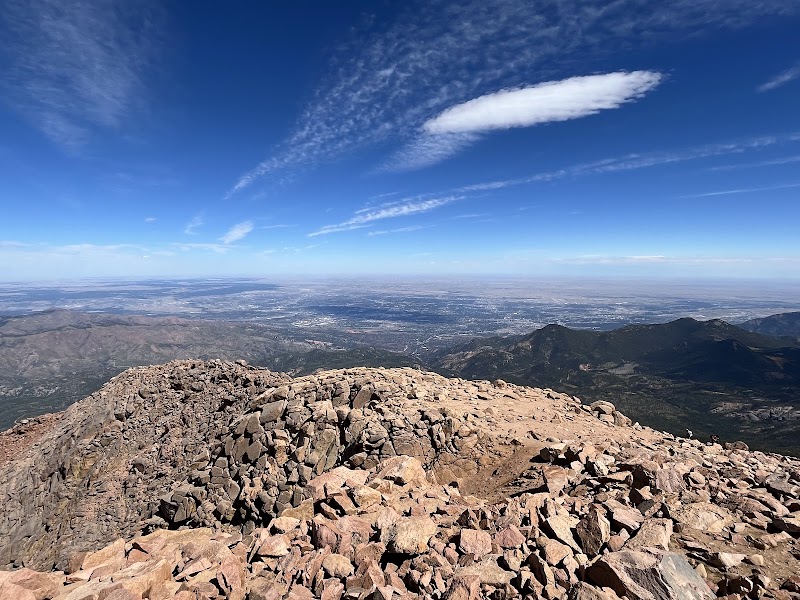
Colorado Springs serves as a reliable gateway for adventurers chasing snowy mountain trails. From here, the high country’s alpine forests and frost-rimmed summits challenge the body and sharpen the senses. When winter embraces the Rockies, preparation becomes critical—not just for comfort but for safety. Heading to areas like Pikes Peak or the nearby Mosquito Range means engaging with terrain that shifts from steady forested paths into steep, snow-laden slopes where footing demands respect and equipment must answer the call.
Expect to cover distances ranging from 4 to 8 miles roundtrip on typical day hikes, with elevation gains often between 1,500 and 3,000 feet. These ascents wind through stands of evergreen trees, their boughs bending under winter’s weight as streams murmur beneath icy surfaces, daring your progress. Trails tighten and narrow; snowpack can mask rocky roots and hidden ice, turning the underfoot world into a cautious negotiation.
Practical preparation begins with layering. Moisture-wicking base layers paired with insulated shells guard against cold wind and sudden snow squalls. Waterproof boots with solid tread and gaiters are non-negotiable to fend off wet feet and slipping. Trekking poles enhance balance and reduce strain, especially on descents. Hydration is still vital despite the chill—dehydration creeps in faster at altitude and cold suppresses thirst. Bring insulated bottles to keep water from freezing.
Timing your venture is also a vital strategy. Mid-morning starts allow daylight to soften frost and reveal hidden trail nuances, but finishing hikes before afternoon reduces exposure to potentially worsening weather. Keep an eye on weather forecasts and avalanche advisories; the mountain speaks through the forecasted winds and snow accumulations.
Remember, mountain snow is fiercely itself—not to be tamed but understood. Trail signs might be obscured beneath pristine white blankets, and landmarks shift with every storm. Respect for these mutable conditions combined with methodical gear checks and route planning opens the door to an invigorating winter mountain experience just a short drive from Colorado Springs.
Your adventure won’t just be a walk in the snow; it’s a measured conversation with a wild, changing environment. By preparing well, you invite the mountain’s challenge, ready to move with it rather than against it. The crisp air, the crunch of snow underfoot, and the panoramic views rewarded at summit points make every ounce of effort worthwhile.
Nearby Trips
All Adventures
Boat Charters
Water Activities
Adventures near Colorado Springs
Discover the unique and memorable adventures that make Colorado Springs special.
Frequently Asked Questions
What trailheads near Colorado Springs offer winter snow hiking?
Popular winter-ready trailheads include Barr Trail to Pikes Peak, Mount Muscoco Loop, and areas within the Pike National Forest such as the Palmer Lake trails. These spots provide accessible snow-covered routes suited to various skill levels.
How do I check avalanche conditions before heading out?
Visit the Colorado Avalanche Information Center (CAIC) website for updated avalanche forecasts specific to the area. Additionally, local ranger stations and outdoor shops in Colorado Springs often provide advisories.
Are dogs allowed on snow hikes around Colorado Springs?
Many trail areas permit dogs year-round, but owners must be aware of leash laws and the increased risks for pets in cold, snowy conditions, including frostbite and hypothermia. Some trails might be closed seasonally, so check ahead.
What wildlife might I encounter on winter mountain hikes here?
Look out for red foxes, mule deer, and elk, often active during winter months. Bird species like Clark’s nutcrackers and Steller’s jays brighten the forest trails. Be mindful of their seasonal behaviors to avoid disturbance.
What local features are less known but worth exploring in winter?
The Helen Hunt Falls trail offers frozen waterfall views that few visit in colder months. Also, the Seven Bridges Trail features a series of picturesque crossings over winter-swollen creeks that dare your steps with their icy currents.
How can I prepare for sudden weather changes in the mountains?
Carry a compact emergency kit including space blankets and extra layers, and inform someone of your planned route and return time. Winter mountain weather can turn abruptly—being able to quickly adapt is key.
Recommended Gear
Waterproof Insulated Hiking Boots
Keeps feet dry and warm on snow-covered trails, prevents frostbite, and provides necessary traction.
Trekking Poles with Snow Baskets
Enhances stability on icy or uneven snow surfaces, reduces impact on knees, and aids balance.
Microspikes or Crampons
Improves grip on compacted snow and ice, essential for steep or icy sections.
Insulated Water Bottle
Prevents hydration liquids from freezing, ensuring access to water throughout the hike.
Local Insights
Hidden Gems
- "Frozen Helen Hunt Falls"
- "Seven Bridges Trail"
- "The small alpine lakes above Crags Campground"
Wildlife
- "Red fox"
- "Mule deer"
- "Elk"
- "Clark’s nutcracker"
History
"The region around Colorado Springs has deep ties to early gold mining and Native American heritage, including Cheyenne and Ute tribes, whose trails crisscross parts of Pike National Forest."