
Tracking Wildlife from a Charleston Oyster Farm Boat Trip
Explore Charleston’s unique oyster farms from the water while encountering its rich coastal wildlife. This boat trip combines hands-on industry experience with up-close views of marsh birds, dolphins, and aquatic ecosystems, perfect for photography and nature enthusiasts.
Time Your Trip with Tides
Oyster farms and wildlife activity are highly influenced by tidal movement; plan your boat trip during mid to high tide for the best access and sightings.
Bring a Zoom Lens and Binoculars
Wildlife can be cautious and distant; these tools help capture clear shots and observe without disturbing the animals.
Wear Non-Slip Footwear
Boat decks and oyster docks can be slick; sturdy shoes ensure safety when moving around on wet surfaces.
Protect Gear from Saltwater
Salt spray is unavoidable—using waterproof cases or bags will keep your electronics and cameras safe and functional.
Tracking Wildlife from a Charleston Oyster Farm Boat Trip
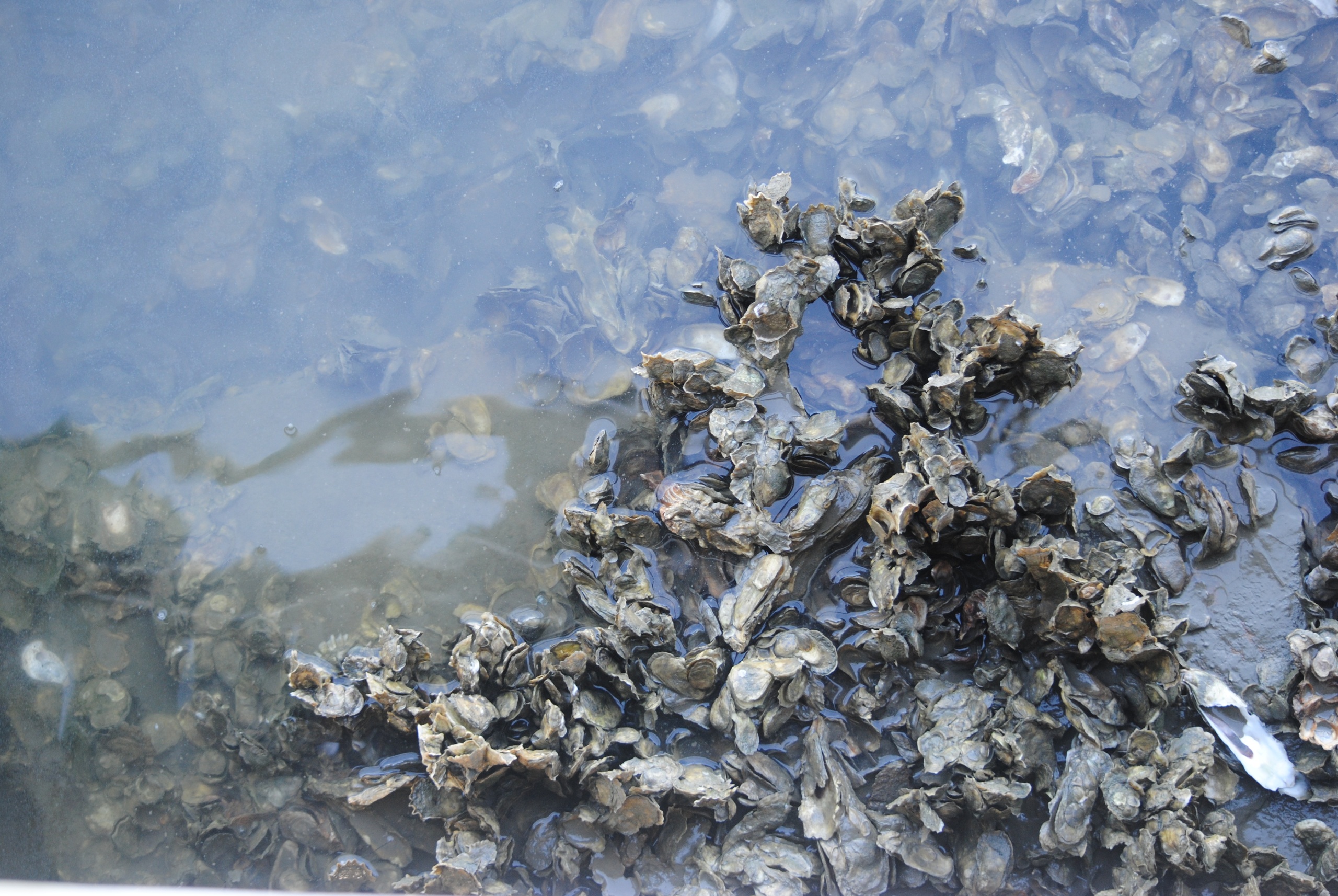
Charleston Oyster Farm Adventure!
Explore barrier islands. Visit a working oyster farm for a taste of the estuary. Voted #1
Discover the secrets of oyster farming on a private boat tour in Charleston. Learn about sustainable aquaculture and enjoy fresh oysters in this memorable coastal adventure!
Glide across the calm waters off Charleston, South Carolina, aboard a working oyster farm boat, where the salty air tingles with anticipation and the marshlands stretch wide, inviting you to catch the region's wild side. This isn’t just a boat trip—it’s a frontline seat to a dance between wildlife and the oyster industry that sustains them both. As the boat gently rocks underfoot, you’ll scan the horizon where egrets hover and dolphins break the surface, while the oyster cages below play host to an invisible world of shrimp, crabs, and schools of fish busily weaving through the submerged reefs.
Your guide points toward a great blue heron, perched like a watchful guardian atop a reed stalk, its gaze following the slow current that dares you to notice the subtle shifts in the marsh ecosystem. The tides here command the flow—pushing and pulling, shaping both the farm and its wild neighbors. Photographing wildlife on this oyster farm trip demands a steady eye and a readiness to adapt: sudden splashes, darting fish, or gulls wheeling overhead each offer fleeting yet unforgettable frames.
Planning your outing means factoring tides and timing. Morning trips catch the light crisp and shadow-soft across oyster beds, while afternoon trips reveal long, warm glows perfect for silhouette shots. Dress for comfort—layers suit Charleston’s mild breezes and shifting temperatures. Sturdy, non-slip shoes protect you as you board and move about the vessel, and a waterproof case for your camera gear is smart; salt air can be unforgiving.
The boat’s slow glide through shallow estuaries makes for smooth wildlife encounters but also calls for patience. Wildlife here is fiercely itself—never captive to your camera’s lens, yet often curious enough to linger. Maintain respectful distances, use zoom lenses, and listen to your guide to understand where to focus your attention. Hydration is crucial, especially in warmer months when the sun presses hard against wide-open waters.
This oyster farm trip is more than sightseeing; it’s a lesson in balance. The oysters filter water, shaping the wetland health, and the wildlife depends on this interlaced environment for survival. By watching, you gain insight into sustainable practices and the ebb and flow that keeps the Charleston marsh alive. Pack binoculars for birdwatching and a notebook if you want to capture small details—each visit offers something new.
In this blend of industry and untamed nature, every ripple, call, and shadow on the water invites you to see a landscape working with nature, not against it. The oyster farm boat trip brings you close to Charleston’s wild heartbeat, powered by tides, shaped by wildlife, and framed by the rising sun.
Nearby Trips
All Adventures
Boat Charters
Water Activities
Adventures near Charleston
Discover the unique and memorable adventures that make Charleston special.
Frequently Asked Questions
What kinds of wildlife can I expect to see on the oyster farm boat trip?
Expect to see great blue herons, ospreys, dolphins, fiddler crabs, and a variety of fish species. Bird activity is highest during migration seasons, while dolphins often appear closer to the open water edges.
How safe is it to photograph wildlife on the oyster farm trip?
Very safe with some precautions. Staying seated or steady on deck and maintaining a respectful distance from animals ensures safe interactions and better photographic opportunities.
Are there any less-known spots or viewpoints during the boat trip?
Yes, guides often navigate toward hidden oyster bars and secluded marsh inlets where wildlife congregates away from busy waterways, offering more intimate viewing experiences.
Can I bring children on the oyster farm boat trip?
Absolutely. The trip is family-friendly but requires supervision due to boat safety and potential slippery areas. It’s an educational outing for kids interested in nature and seafood sustainability.
How does the oyster farm affect local wildlife?
Oyster farms improve water quality by filtering sediment and pollutants, which benefits fish and bird populations. The cages create artificial reefs that provide shelter and food for many species, boosting biodiversity.
What should I do if the weather changes suddenly during the boat trip?
Follow your guide’s instructions promptly. The boat is equipped for sudden weather shifts, and trips are typically adjusted or canceled if conditions become unsafe. Always bring a lightweight rain jacket.
Recommended Gear
Camera with Zoom Lens
Capture distant wildlife without disturbing them; a 200mm lens or higher is ideal.
Non-slip Deck Shoes
Protect your footing on wet and slippery boat surfaces to prevent accidents.
Light Layered Clothing
Adapt to changing temperatures and breezes on the water by dressing in layers.
Waterproof Phone/Camera Case
Salt spray and unexpected splashes make waterproof gear protection a must-have.
Local Insights
Hidden Gems
- "Small marsh channels where wildlife like river otters and kingfishers can be spotted undisturbed"
- "Oyster reef edges that attract fiddler crabs and black-necked stilts at low tide"
Wildlife
- "Bottlenose dolphins often herd fish near open estuaries"
- "Snowy egrets and ibises feed and nest close to working oyster farms"
- "Fiddler crabs actively burrow in mudflats exposed by tides"
History
"Charleston's oyster industry dates back centuries, supporting local economies while influencing coastal ecology. These farms represent a continuation of traditional aquaculture with modern sustainable practices."