
Ensuring Passenger Comfort and Safety on the Queen's Chariot: A Practical Adventure Guide
The Queen's Chariot offers a balanced hiking experience, blending formidable terrain with stunning natural beauty. Discover practical tips to stay comfortable and safe while engaging deeply with this dynamic trail near Brevard, North Carolina.
Wear Supportive Footwear
Choose boots with strong ankle support to safely navigate rocky and uneven terrain that may be slippery underfoot.
Hydrate Early and Often
Bring at least two liters of water; natural water sources are scarce and unpredictable until mid-trail.
Start Your Hike Early
Morning light offers cooler temperatures and calmer winds, making the initial miles more comfortable.
Monitor Weather Closely
Prepare for quick weather changes; carry a compact rain jacket and emergency basics in your pack.
Ensuring Passenger Comfort and Safety on the Queen's Chariot: A Practical Adventure Guide
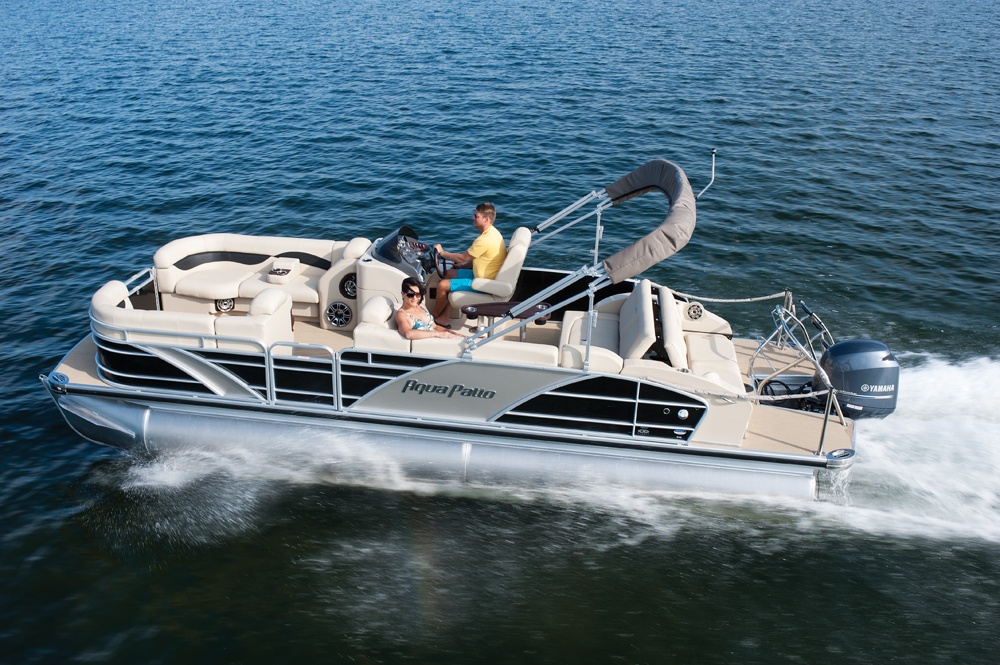
Queen's Chariot Charter
4 - 8 Hours • All Ages • 13 People
Discover the luxury and tranquility of a private boat tour with Queen's Chariot Charter in Destin, Florida. Enjoy personalized experiences on the pristine waters of the Gulf of Mexico, perfect for relaxing, sightseeing, or celebrating special moments.
The Queen's Chariot is more than a trail; it’s a journey through a landscape alive with motion — where towering pines lean in like curious companions and the river below dares you onward, its currents whispering challenges. Spanning 9 miles with an elevation gain of 1,800 feet, this route blends manageable physical challenge with sensory rewards. The path alternates between well-trodden forested sections and open ridges, offering sweeping views that unfold steadily, never overwhelming.
Comfort and safety on the Queen's Chariot start well before arrival. Choose footwear with firm ankle support and durable soles to handle rocky stretches and occasional slippery moss patches. Layered clothing guards against quick temperature shifts common under the thick canopy that both shelters and breathes around you. Hydration must be a priority: a reliable water source is scarce until mid-trail, so bring at least two liters packed in an accessible bottle.
Begin early. Mornings bring calm air and softer light that warms the trail gradually. Midday heat can spike unexpectedly when the path crosses exposed clearings, where sun and wind compete to test your endurance. Take deliberate breaks on the south-facing benches—natural resting spots carved by weather and time—letting your senses tune into the call of distant birds and the restless murmur of the stream.
Safety is as much about respect as preparation. The Queen’s Chariot is fiercely itself—unpredictable weather can shift swiftly, turning a pleasant walk into a challenge. Check forecasts and keep a compact first aid kit handy. Keep your steps measured on steeper slopes, where loose gravel slips without warning. If hiking with companions, establish clear signals for regrouping and emergencies.
The trail’s design invites an ongoing dialogue between hiker and environment. Each foothold presses into earth that’s alive beneath you; each breeze carries stories of the forest and the highlands beyond. Engage fully with this living route, balancing ambition with preparedness. This way, the Queen’s Chariot delivers an experience that’s invigorating but never reckless—inspiring and firmly rooted in common sense.
Whether you’re aiming for a satisfying day hike or a solid part of a longer expedition, comfort and safety are your founding partners. Preparing with practical gear, pacing yourself, and listening closely to the landscape allows you to meet the trail on equal terms. The Queen’s Chariot isn’t just a destination. It’s a conversation in motion, rewarding those who come ready to listen, to adapt, and to tread thoughtfully.

Nearby Trips
All Adventures
Boat Charters
Water Activities
Adventures near Brevard
Discover the unique and memorable adventures that make Brevard special.
Frequently Asked Questions
Are dogs allowed on the Queen's Chariot trail?
Yes, dogs are permitted but must be kept on a leash at all times to protect local wildlife and avoid accidents on narrow or steep sections.
Is there cell phone coverage on the trail?
Coverage is spotty; expect dead zones, especially in dense forested areas. It’s wise to inform someone of your plan before heading out.
What wildlife might I see on this hike?
Deer, various songbirds, and occasionally black bears frequent the area. Early mornings and late afternoons offer the best chance for wildlife sightings.
Are there restroom facilities near the trailhead?
Basic restroom facilities are available at the main parking lot in Brevard, but none are present on the trail itself.
Can I camp along the Queen's Chariot trail?
No designated camping spots exist on this trail, making it best suited for day hikes only.
Is the trail suitable for children or beginner hikers?
The moderate difficulty and elevation gain mean it suits older children or beginners with moderate fitness and hiking experience; supervision is advised.
Recommended Gear
Sturdy Hiking Boots
Provide stability and protection on rocky and slippery surfaces throughout the year.
Layered Clothing
Allows adjustment to fluctuating temperatures, especially during fall’s sharp weather changes.
Hydration Pack or Water Bottles
Ensures adequate hydration when water sources are limited or inconsistent.
Compact Rain Jacket
Protects against sudden showers and cool winds common in spring.
Local Insights
Hidden Gems
- "The Ridge Crest Viewpoint, a serene overlook offering unobstructed panoramas of the distant Blue Ridge Mountains."
- "A small waterfall mid-trail where clear water shapes smooth stones and invites a quiet moment to rest."
Wildlife
- "Eastern box turtles"
- "pileated woodpeckers"
- "white-tailed deer"
- "black bears (rare sightings)"
History
"The Queen’s Chariot trail follows parts of an old logging road used during the early 20th century, echoing the region's forestry heritage."