
Mastering Timing and Conditions for Safe Sandbar Anchoring in Boca Raton
Sandbar anchoring in Boca Raton offers a unique coastal adventure, combining shallow waters and stunning views with the skill of reading tides and wind. This guide equips boaters with practical timing tips and environmental insights to anchor safely and take full advantage of this dynamic shoreline.
Anchor Around Low to Mid Tide
Plan to anchor between one hour before and one hour after low tide for the most stable conditions and predictable bottom depth.
Check Wind Speeds Before Setting Anchor
Calmer morning winds reduce the risk of drag; avoid anchoring during strong coastal breezes or storms that can unsettle your boat.
Choose Anchors for Sandy Bottoms
Use fluke or claw anchors designed for sandy and seagrass-mixed bottoms to ensure solid grip and minimize dragging.
Avoid High Traffic Channels
Select sandbar spots away from main boating lanes to reduce wake impact and unexpected currents near your anchor.
Mastering Timing and Conditions for Safe Sandbar Anchoring in Boca Raton

'Caper' our 20' Hurricane Deck Boat
4-8 hours • Up to 10 passengers
Discover the excitement of exploring Pompano Beach's waters on the 'Caper,' a private 20-foot Hurricane Deck Boat. Perfect for sightseeing, wildlife viewing, and relaxing under the sun, this boat tour promises a memorable outdoor adventure in Florida.
The sandbars around Boca Raton offer an inviting playground for boaters, anglers, and watersports enthusiasts. Yet their allure comes with clear demands—understanding timing and environmental conditions is essential to anchor safely and enjoy the experience without complications. Sandbars shift, currents push and pull with the tides, and weather can change the game quickly.
Start by considering the tide schedule. Low to mid outgoing tides expose sandbars enough to anchor firmly without risking grounding or sudden depth shifts. Incoming tides bring rising waters that can deepen anchoring points but also increase current strength, which tests your mooring. The safest time to drop anchor is when tides are stable or gently falling, usually an hour before to an hour after low tide. This window gives predictable conditions and reduces the chance the water will push your boat off the sandbar or trap you there unexpectedly.
Next, pay attention to weather and wind patterns. Boca Raton’s coastal breezes often kick in during afternoons, sometimes reaching 15-20 knots. Early mornings usually offer calmer waters and lighter winds, making them prime for precise anchoring and a more peaceful stay on the sandbar. Storm fronts and frontal passage can turn the water turbulent—check forecasts carefully. Persistent wind against tidal flow can create choppy, uneven seas that challenge your anchor’s hold.
The bottom texture underneath matters too. Boca Raton’s sandbars tend to be firm-packed sand mixed with patches of shell and seagrass. Sand provides reliable anchor grip, but seagrass areas might loosen your rode, reducing holding power. Use a fluke or claw anchor designed to penetrate clean sandy bottoms and inspect the rode tension regularly to feel confident in your set.
Depth at the sandbar varies typically between 2 and 8 feet, depending on tide and exact location. This shallow hold is a magnet for paddleboarders, snorkelers, and fishermen, but it demands vigilance. Anchoring too far out risks dragging if the bottom drops quickly or if a passing vessel creates wakes, which these flats can amplify.
Finally, consider local boating traffic patterns and navigation channels—they can push water and cause unexpected wakes on the sandbars. Using navigational charts or apps with up-to-date bathymetry helps you pick less trafficked spots and avoid hazards.
Safe sandbar anchoring in Boca Raton isn’t just about dropping anchor; it’s a dialogue with the tide, wind, and floor beneath you. Approach the conditions with respect, plan your timing around low to mid tides with calm morning winds, and use gear suited for shifting sand and seagrass. When these elements line up, the sandbar becomes a steadfast base for your water adventures in Boca Raton’s vibrant coastal waters.
Nearby Trips
All Adventures
Boat Charters
Water Activities
Adventures near Boca Raton
Discover the unique and memorable adventures that make Boca Raton special.
Frequently Asked Questions
When is the safest time to anchor on Boca Raton sandbars?
The safest window is typically from one hour before to one hour after low tide. During this period, tides are more stable, waters are shallow enough for firm anchoring without risk of grounding, and currents are less forceful.
How do wind conditions affect anchoring safety here?
Winds influence current strength and wave action. Calm morning winds offer the best anchoring conditions, while afternoon sea breezes approaching 15–20 knots can cause drag or strain on anchors. Always check local forecasts before setting anchor.
What type of anchor should I use for Boca Raton sandbars?
Fluke or claw anchors perform best in the typical sandy bottom with seagrass patches, offering strong holding power without excessive digging. Avoid mushroom anchors as they generally don’t hold well in shifting sand.
Are there any local wildlife I should be aware of while anchoring?
Manatees frequent Boca Raton coastal waters; keep clear of them and avoid disturbing seagrass beds, their vital habitat. Also watch for jellyfish and shoaling fish during warmer months.
Can I anchor overnight on sandbars around Boca Raton?
Overnight anchoring is possible but less common due to changing tides and increased boat traffic in the evening. If you do, ensure your anchor is secure, have updated weather info, and be prepared to move if conditions change.
How do tides impact sandbar shape and safety?
Tides sculpt sandbars constantly; low tides expose more surface but also make sandbars prone to grounding. Incoming tides deepen anchoring spots but can produce stronger currents that challenge anchor hold. Reviewing tide charts daily is crucial.
Recommended Gear
Fluke or Claw Anchor
Designed for sandy and seagrass bottoms common at Boca Raton sandbars, providing a reliable hold.
Depth Finder or Echo Sounder
Helps identify the depth changes at and around the sandbar to avoid grounding or dragging.
Weather Monitoring App
Provides up-to-the-minute wind, tide, and storm information key to safe anchoring.
Lightweight Anchor Rode
A synthetic rode is easier to handle in warm weather and resists corrosion in saltwater environments.
Local Insights
Hidden Gems
- "A north-facing sandbar near the Boca Inlet often has calmer conditions and fewer boats, ideal for peaceful anchoring."
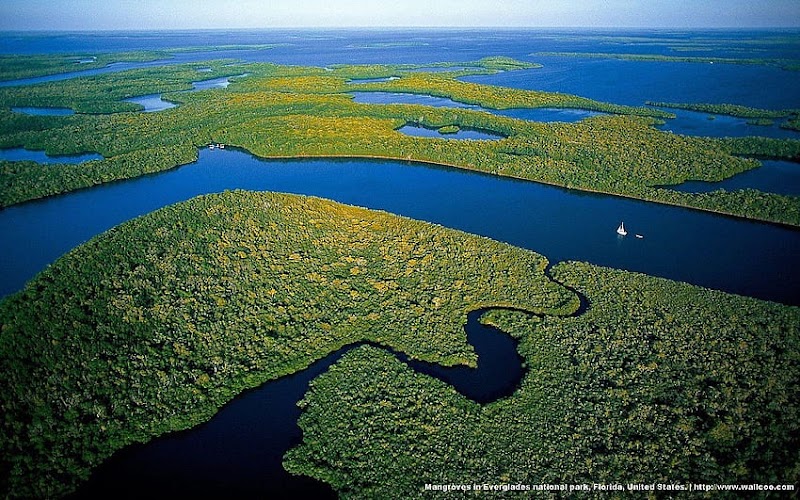
- "Nearby small mangrove clusters offer shelter and an interesting ecosystem experience if you venture slightly off the sandbar."
Wildlife
- "West Indian manatees glide beneath the surface, often lingering around sandbars during cooler months."
- "Ospreys nest on nearby channel markers and dive spectacularly for fish close to anchored boats."
History
"Boca Raton’s coastal waters have long supported fishing communities and recreational boating dating back to the early 20th century. Experienced boaters use traditional knowledge of local tides and currents to navigate these shifting sandbars safely."