
Navigating Chesapeake Bay: How to Choose the Perfect Sit-Inside Kayak for Your Adventure
Explore the Chesapeake Bay with confidence by selecting the right sit-inside kayak tailored for its unique waterways. This guide balances the excitement of paddling the bay’s shifting tides with practical advice on kayak selection, helping adventurers prepare for a safe and rewarding experience.
Monitor Tide Schedules
Tides in Chesapeake Bay significantly affect water depth and current strength; plan launches and routes around high tide for easier navigation.
Wear a Paddle Jacket
Water temperatures can drop quickly, especially during spring and fall; a lightweight waterproof jacket keeps wind and spray off your torso.
Choose Durable Kayak Materials
Polyethylene kayaks handle oyster reefs and rocky shallows better, which are common near the bay’s shores and creeks.
Pack Hydration and Snacks
Extended paddles require adequate hydration and portable fuel; bring water stored in easily accessible, waterproof containers.
Navigating Chesapeake Bay: How to Choose the Perfect Sit-Inside Kayak for Your Adventure

Sit Inside Kayaks
Recommended Ages 12+ • 1-3 Hour Rental Options
Discover the peaceful waters of Hampton, Virginia, with a private sit-inside kayak adventure. Perfect for all skill levels, this guided trip offers a comfortable way to explore local waterways and spot wildlife. Read on to learn what makes this outdoor activity a memorable experience.
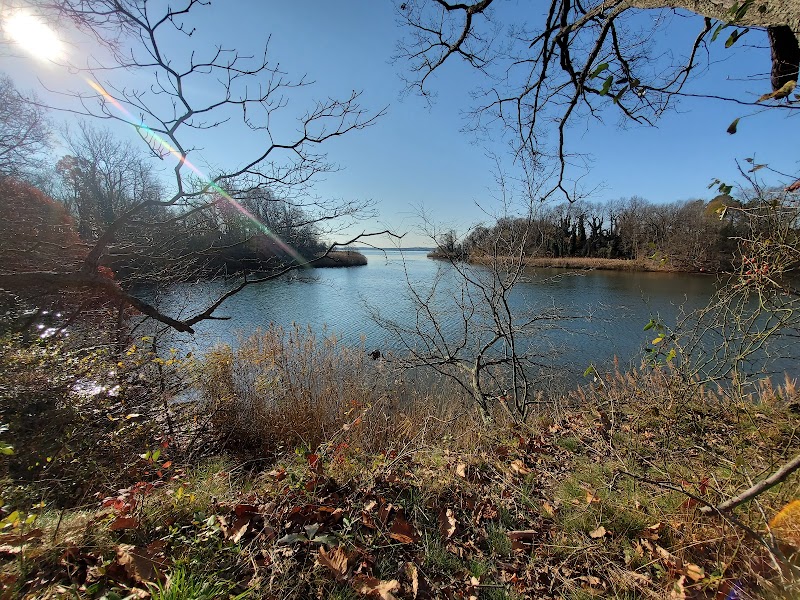
Chesapeake Bay is a dynamic waterway that challenges and invites paddlers with its shifting breezes, open waters, and intricate shorelines. A sit-inside kayak offers the right blend of protection and control for exploring this region’s bays, creeks, and tidal rivers. Unlike sit-on-top kayaks, sit-inside models shield you from splashes and wind, which is crucial when morning fog lifts or sudden gusts push forward.
Start by considering your typical trip length and water conditions. Chesapeake Bay’s currents and tides demand a stable, efficient hull shape that cuts through wind while maintaining maneuverability. Look for a kayak between 12 and 16 feet long with a moderate beam—around 24 to 28 inches—to balance speed and stability. Materials matter too: polyethylene kayaks offer durability against rocks and oyster beds in shallow spots, while composite models prioritize lightness but require more care.
Storage capacity is another key factor. Chesapeake explorations can range from a quick two-hour paddle to day-long journeys chasing secluded beaches or historic lighthouses. Choose kayaks with sizable hatches and deck rigging to secure essentials, from hydration packs to waterproof cameras. Dry storage keeps your gear safe from sudden splashes as the bay dares you through its shifting winds.
Cockpit size influences comfort and safety. A snug cockpit offers better control during choppy water or unexpected waves, but leaves less room for thick layers in cooler seasons. Adjustable thigh braces and seat backs help you stay agile and comfortable during extended paddling.
Finally, take weight and portability into account. Frequent launching from public ramps or ferry docks around Annapolis or St. Michaels may require a manageable weight and ergonomic handles. Knowing the kayak’s weight limit also ensures your gear and body weight stay within safe margins.
Plan your kayak trip during mid-spring or early fall when bay winds soften and water temperatures stabilize. Early mornings often reveal glassy water, perfect for focusing on low tech maneuvering without battling fierce breezes. Keep a close eye on tide schedules—these waters have a personality that pushes and pulls, demanding respect and careful timing.
In Chesapeake Bay, your kayak isn’t just a vessel—it’s an extension of your senses, responding to wind, current, and tide as you engage with a water system fiercely itself. Choosing the right sit-inside kayak sets the stage for an adventure that’s well prepared, safe, and thrilling from launch to landing.
Nearby Trips
All Adventures
Boat Charters
Water Activities
Adventures near Annapolis
Discover the unique and memorable adventures that make Annapolis special.
Frequently Asked Questions
Why choose a sit-inside kayak over a sit-on-top for Chesapeake Bay?
Sit-inside kayaks offer better protection from wind, spray, and cooler temperatures common on Chesapeake Bay. Their enclosed design provides greater control in tidal currents and choppy water, plus storage options for longer trips.
What length kayak works best for bay paddling?
Between 12 and 16 feet is ideal. Shorter kayaks are more maneuverable in narrow tidal creeks, while longer models track better for open water crossings and reduce effort against wind.
Are there safety concerns specific to Chesapeake Bay kayaking?
Yes. Strong tidal currents, busy boat traffic near marinas, and sudden weather changes require paddlers to monitor conditions closely, wear a PFD, and plan routes with tide tables.
Where are good launch points near Annapolis?
Quiet spots like Quiet Waters Park and the Sandy Point State Park offer easy kayak access with parking and facilities, avoiding congested commercial marinas.
What wildlife might I see during bay paddling?
Look for ospreys diving, blue herons stalking the shallows, and seasonal migrations of waterfowl. Occasionally, river otters surface near marsh edges.
Can beginners safely paddle a sit-inside kayak here?
Yes, with preparation. Beginners should start on calm, tidal creeks and take lessons to understand currents and kayak handling before venturing farther into the bay.
Recommended Gear
Sit-Inside Kayak with Moderate Beam
Provides stability against bay currents while allowing efficient paddling across open water and narrow creeks.
Waterproof Dry Bags
Protects gear and essentials from bay spray and unexpected splashes on variable waters.
PFD (Personal Flotation Device)
A comfortable, well-fitted life jacket is mandatory for safety on bay waters where tides can be strong.
Thermal or Paddle Jacket
Helps maintain body heat and shields from wind and spray during cooler months of paddling.
Local Insights
Hidden Gems
- "The secluded tidal creek at Broad Creek offers quiet paddling away from busy bays, revealing untouched marshes and quiet wildlife."
- "Herring Bay's shallow oyster reefs reveal themselves at low tide and provide unique paddling challenges for skilled adventurers."
Wildlife
- "Ospreys are a frequent and dramatic sight, often diving close to the water’s surface."
- "Migratory waterfowl, including swans and ducks, gather in large numbers in fall and early spring."
History
"Chesapeake Bay has a rich maritime heritage dating back to Native American trade routes and later as a hub of oyster harvesting and naval history, visible in old piers and lighthouses along its shores."