
Alaska’s public trail system transforms dramatically through each season, from wet spring melt challenges to snow-blanketed winter paths. Whether seeking summer’s endless daylight or winter’s hushed solitude, hikers must prepare strategically to engage safely and fully with this fiercely dynamic wilderness.
Wear Layered Clothing
Temperatures can swing dramatically during a single hike, so layering moisture-wicking and insulating fabrics will keep you comfortable and dry.
Carry a Reliable Water Filter
Natural water sources can be abundant but require filtration to avoid illness, especially during summer melt and spring runoff periods.
Plan for Limited Daylight in Fall and Winter
Shorter daylight hours mean starting hikes early and carrying a headlamp or flashlight in case your return extends into dusk.
Learn Basic Bear Safety
Black and brown bears are active along many trails; carrying bear spray, making noise, and understanding behavior reduces negative encounters.
Seasonal Strategies for Navigating Alaska’s Public Trail System

Guided Day Tour
Up to 4 Hours • Explore Alaska's vast public trail system
Gear up for an adrenaline-fueled day riding top-tier dirt bikes through Alaska’s wild landscapes with Alaska Premier Enduro in Wasilla. Discover rugged trails, glaciers, and mountain climbs—an adventure not to be missed.
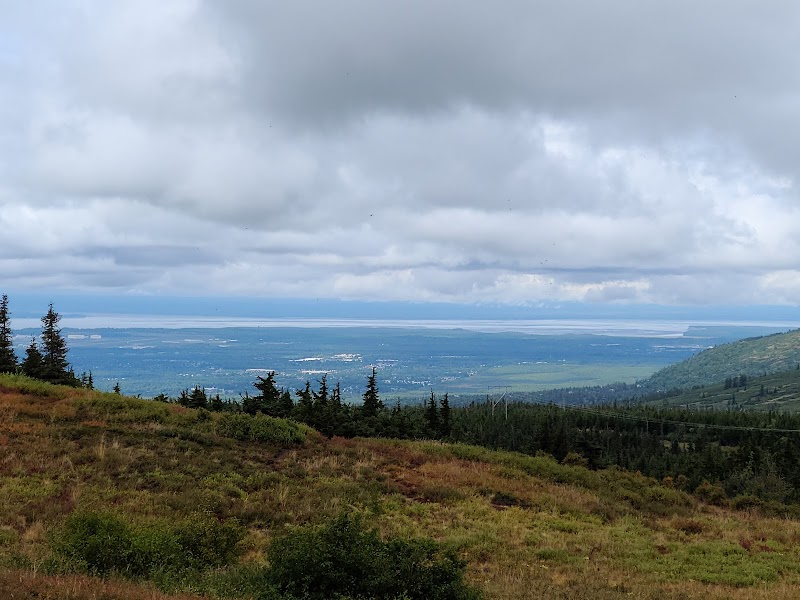
Alaska’s public trail system is a living network of routes that shift character as the seasons turn. Each season dares the adventurer to adapt: spring’s thawing earth challenges footing as streams swell with melting snow, while summer trails bask under long daylight, winding through dense spruce and birch forests that sigh with life. Fall brings a crisp bite and vivid foliage that beckons hikers with fiery colors, but the ground starts to harden as frost creeps in. Winter cloaks trails in snow and ice, demanding careful gear selection and respect for the shortened daylight hours.
Distances along Alaska’s trails vary widely—from modest day hikes near Anchorage, typically 3-5 miles with moderate elevation gains of 500-1,000 feet, to rugged multi-day treks in Wrangell-St. Elias National Park that climb above the tree line, covering 10-20 miles daily with steep ascents. Terrain fluctuates from well-maintained boardwalks over muskeg to uneven, rocky paths where roots wind like living veins.
Trail surfaces test your boots and balance, and the rivers crossing your path will challenge timing and footing—currents that push forward insist on caution and sometimes retreat. Wildlife eyes the trail’s edges, patiently watching. The boreal forest’s hush punctuated by raven calls, the sudden splash of a salmon leaping upstream, or a moose quietly crossing ahead heighten the engagement with the wild. Preparing for these encounters with appropriate knowledge and bear safety gear is essential.
Hydration strategies shift with season; summer hikes require steady water replenishment from filtered streams, whereas winter treks necessitate methods to melt snow safely. Footwear must conquer wet spring trails and frozen winter layers alike—waterproof boots with solid ankle support become the cornerstone.
Optimal timing often gravitates toward late June through August for accessibility and weather stability, while shoulder seasons provide solitude and vivid landscape shifts if you welcome unpredictability. Winter hikers must be conversant with snow travel and navigation under shrinking daylight.
Planning routes with clear bailout points, checking local trail updates, and packing layered clothing balance adventure with preparedness. Trails here don’t conform to the human itinerary; they whisper their own rhythm, sometimes demanding patience, sometimes urging resolute pace. Respecting their fierce individuality creates a partnership rather than a conquest.
Whether on a sunlit summer ridge or a slippery winter forest edge, Alaska’s trails offer an encounter with a landscape that’s fiercely itself—an invitation inviting you not just to move through it, but to listen, learn, and respond.
Nearby Trips
All Adventures
Boat Charters
Water Activities
Adventures near Anchorage
Discover the unique and memorable adventures that make Anchorage special.
Frequently Asked Questions
When is the best time to hike Alaska's trails safely?
Late June through August offers the most accessible and safe conditions, with trails free of snow and more stable weather. Shoulder seasons provide fewer crowds but require extra caution for weather and terrain.
How do I handle river crossings during spring melt?
Cross early in the day when flows are lower, use trekking poles for balance, and scout for wider, shallower sections. Avoid forcing crossings in fast, high water to reduce risk.
What wildlife should hikers expect to see?
Expect to encounter moose, black and brown bears, bald eagles, and a variety of migratory birds depending on season. Maintain vigilance and respect for their space.
Are there any safety tips for winter hiking on these trails?
Yes—dress in layers, carry navigation tools, pack emergency supplies, and notify someone of your plans. Traveling with snowshoes or skis and understanding avalanche risks in certain areas is important.
How can I minimize my environmental impact?
Stay on designated trails, pack out all waste, avoid disturbing wildlife, and use established campsites to preserve the natural environment.
Are there lesser-known viewpoints worth seeking?
Yes. Many trails offer quiet offshoots leading to river overlooks and ridge lines where views stretch uninterrupted. Local trail maps and ranger advice can guide you to these spots.
Recommended Gear
Hiking Boots
Waterproof, supportive boots handle wet spring conditions and protect against uneven terrain year-round.
Layered Clothing
Multiple layers including moisture-wicking base, insulating mid-layer, and windproof outer shell accommodate rapid weather changes.
Water Filter
Filtering natural water sources prevents waterborne illnesses, crucial when relying on creeks and rivers.
Snowshoes or Crampons
Necessary for safe travel over snow and ice, enhancing traction and mobility during winter hikes.
Local Insights
Hidden Gems
- "Raven’s Ridge viewpoint offers sweeping views with fewer visitors."
- "Hidden waterfall off the Crow Pass Trail accessible via a short detour."
- "A quiet alpine lake reachable on side paths from the Flattop Mountain trail."
Wildlife
- "Moose frequent river edges especially near evening."
- "Black and brown bears patrol berry patches in late summer."
- "Migratory waterfowl are prevalent near wetland sections in spring."
History
"Many trails follow historic Native Alaskan routes and early fur trade pathways, preserving cultural echoes of the region’s original inhabitants and explorers."