
Shelter Island adventure guide
Find your way into Shelter Island.
Tucked between North and South Forks of Long Island, Shelter Island is a compact, salt‑air playground—where ferry rhythms set the pace and the shoreline dictates the itinerary. This guide pairs practical planning with immersive options: boat tours and boat rentals for open-water afternoons, kayak and SUP loops that thread quiet coves, fishing charters or shore casts for early-morning tides, and walking and bike tours that reveal village history, tidal marshes, and the conservation backbone of Mashomack Preserve. Use it to plot days that mix water activities, light hiking, and slow, local discovery.
Three ways into the city
Pick a landscape. Build a day around it.
Shelter Island is less a single destination than a collection of neighboring worlds. Start with the version of the city that matches your pace, then use the ranked guide below to fill in the details.
Begin where the city meets the sea.
Surf breaks, sheltered harbors, whale routes, and long beach paths make the coast LA’s most immediate outdoor playground.
Explore water activities →
Let a local connect the landmarks.
Use a guided city, walking, or sightseeing tour to turn LA’s sprawl into a coherent story.
Explore boat tour →
Ride the coast and the city.
Beach paths, river corridors, e-bikes, and ridge climbs reveal a more connected Los Angeles.
Explore bike tour →Choose your way into Shelter
The top 15 Shelter Island adventures.
Ranked by the number of currently listed trips. Each panel opens the complete local activity collection.
Water Activities
Shelter Island compresses the best of Long Island’s coastal water repertoire into a compact, easy-to-navigate landscape: calm bays for beginner paddlers, open swells for sailors, shellfish flats and tidal creeks for low-tide explorers, and quiet coves that glow at sunset. This guide focuses on water-based adventures—kayaking, paddleboarding, sailing, fishing, clamming, and shoreline swims—paired with practical guidance on seasons, launch points, safety, and how to make the most of a marine visit to the island.
Explore water activities →2Boat Tour
Shelter Island sits like a slow-breathing jewel between the North and South Forks of Long Island, and the best way to understand its shape—geological, cultural, and marine—is from the water. Boat tours here are an invitation to move gently through a working waterfront: oyster racks and lobster pots, hulking shorebirds on mudflats, and low-lying preserves that glow in the late-afternoon sun. Whether you choose a short narrated cruise, a sunset sail, a private charter for island hopping, or a focused wildlife- and birding trip, these outings distill the island’s rhythms into hours of sea-salt air, lapping wakes, and wide horizons.
Explore boat tour → 3
3Fishing
A compact island where salt, tide, and shallow flats conspire to produce focused, accessible sportfishing. Shelter Island's sheltered bays, sandy beaches, and nearby sound waters offer a range of fishing—shore casting for striped bass and blues, flats and kayak fishing for fluke and pollock, and boat trips into deeper water for summer run species. This guide breaks down where to go, when to cast, and how to plan a day on the water here.
Explore fishing → 4
4Sightseeing Tour
Shelter Island is a small, quietly distinguished break between the North and South Forks of Long Island — a place where shoreline panoramas, salt-air farms, and maritime history shape a sightseeing itinerary that’s refreshingly low-key yet endlessly varied. This guide focuses on touring experiences: narrated boat trips that thread between islands, walking tours through historic hamlets, birding and wildlife cruises, bike-and-beach loops, and guided kayak excursions along tidal creeks. Whether you want a two-hour panorama of bays and lighthouses or a day-long shoreline exploration with picnic stops, Shelter Island’s sightseeing tours collapse travel time into a concentrated palette of vistas, culture, and coastal ecology.
Explore sightseeing tour → 5
5Sailing
Shelter Island sits like a quiet hinge between the North and South Forks of Long Island, and around its shoreline lies some of the most flattering sailing water on the Sound. Protected bays, short island hops, and a mix of sheltered coves and open-water stretches make it ideal for beginners learning to tack and for seasoned sailors chasing tidy passages and golden-hour anchorages.
Explore sailing → 6
6Boat Rental
Shelter Island sits like a quiet jewel between the North and South Forks of Long Island, and the most honest way to meet it is from the water. Boat rentals here—from nimble center consoles to daysailer sloops and family-friendly pontoons—unlock coves, oyster flats, and sandy beaches that feel worlds away from the mainland. This guide profiles 21 local rental options and outings, pairing immersive storytelling with real planning detail so you can cast off with confidence.
Explore boat rental → 7
7Ferry
Shelter Island is less a place and more a hinge between Long Island's North and South Forks—accessible by a handful of short, evocative ferry runs that feel like deliberate transitions into a quieter world. These services move residents, cars, bikes, kayaks, and day-trippers across narrow channels with a rhythm shaped by tides, summer schedules, and the light over Gardiners Bay. This guide focuses on the ferry experience itself: what to expect stepping onto the deck, how to plan around seasonal timetables, and how to fold ferries into a larger day of biking, beach-hopping, or oyster tasting around the island.
Explore ferry →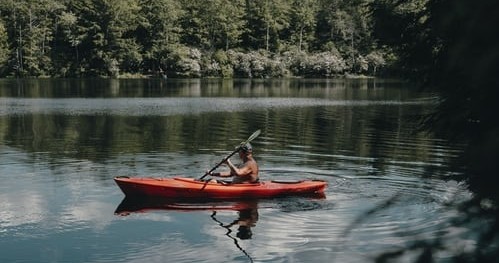 8
8Kayak
Shelter Island is a quiet, watery labyrinth tucked between the North and South Forks of Long Island. For paddlers the island is a compact paradise: sheltered bays, ribbon-like channels, tidal flats and secret coves edged by maritime forest and salt marsh. This guide focuses on kayak outings — day trips and short explorations that make the most of calm seas, abundant wildlife, and easy access from local launch points.
Explore kayak → 9
9SUP
Shelter Island is a compact, water-dominant playground where stand-up paddleboarding (SUP) feels like a local ritual. Sheltered bays, quiet creeks, and miles of shoreline invite a range of paddling experiences—from glassy flatwater cruises ideal for beginners to wind-touched open-water legs that test balance and route-finding. This guide focuses on SUP: how to pick launch points, read tides and wind, integrate wildlife viewing and coastal trails, and plan half-day outings or full circumnavigations tailored to skill level.
Explore sup → 10
10Walking Tour
Shelter Island is a compact, quietly refined corner of Long Island where walking becomes a way to move through layers of maritime history, tidal wetlands, and elegant summer communities. The best walking tours here trade elevation for intimacy: shoreline promenades, cedar-lined lanes, colonial farmsteads, and conservation trails that reveal migrating birds, salt marsh rhythms, and views of Gardiners Bay. These routes suit travelers who want a short, sensory-rich exploration — pairing easy-to-moderate terrain with cultural narration and chances to connect with local conservation and food scenes.
Explore walking tour →11Bike Tour
Shelter Island is a compact, low-rise island threaded by quiet lanes, salt-scented marshes, and shimmering ponds—an ideal canvas for slow, scenic bike tours. From flat family-friendly loops past farm stands to rolling gravel spurs that brush conservation land and hidden beaches, biking here emphasizes pace, attention, and place. This guide focuses on curated ride types, seasonal considerations, and practical planning so you can choose the loop that matches your energy and mood.
Explore bike tour → 12
12Canoe
Shelter Island is a compact world of tidal inlets, salt marshes, and sheltered bays: an ideal canoeing playground where short crossings and slow paddles reveal rich birdlife, quiet beaches, and reflective water framed by maritime pines. This guide looks only at canoeing—day trips, guided paddles, and gentle overnight options—so you can plan routes that match tides, wind, and the island’s famously calm corners.
Explore canoe →13Bike Rental
Shelter Island is small in scale and big on slow-motion coastal charm—an island best experienced on two wheels. Bike rental is the most satisfying way to stitch together quiet lanes, shoreline overlooks, farm stands, and elusive bayside sunsets. This guide focuses on renting the right bike, planning routes for varying abilities, and pairing two-wheeled loops with the island’s top complementary activities.
Explore bike rental → 14
14City Tour
Shelter Island compresses maritime history, seaside village charm, and wide-open conservation land into a walkable, bikeable loop that rewards slow travel. City tours here are intimate affairs: guided history walks along clapboard streets, self-led bike circuits that thread harbors and salt marshes, and short harbor cruises that translate shoreline geology and island culture into stories. Expect variable terrain—paved village sidewalks, quiet country lanes, and soft-sand beaches—plus a seasonal rhythm tied to ferry schedules and summer crowds. This guide focuses on city-tour experiences: what they feel like, how to plan around tides and ferries, and practical advice to turn a short visit into a layered encounter with place.
Explore city tour → 15
15Eco Tour
Shelter Island is a slow-motion coastal refuge where salt marshes, eelgrass flats, and quiet woodlands stitch together a fragile but resilient ecosystem. Eco tours here range from gentle boardwalk walks through Mashomack Preserve to intimate kayak trips that thread tidal creeks and eelgrass beds—each one a close-up lesson in estuary dynamics, migratory birds, shellfish life cycles, and local stewardship. These guided experiences are as much about conservation literacy as they are about scenery: expect naturalists pointing out oystercatchers and horseshoe crab roosts, captains explaining scallop restoration, and interpreters showing how land use upstream shapes the water you see. Practical and placid, Shelter Island's eco tours are ideal for curious travelers who want to leave with a deeper understanding of Long Island’s bays and the small-scale efforts that sustain them.
Explore eco tour →The city and the sea
Why Shelter Island Belongs on Your Adventure Shortlist
Variety without surrendering the day to long transfers.
Shelter Island sits like a punctuation mark in eastern Long Island’s seaside sentence: small, deliberate, and edged with water on every side. The island’s scale is its advantage. You can be off the ferry, into a kayak, and passing marsh grasses within an hour of arrival, or swap the paddle for a rented skiff and chart a boat tour of barnacled jetties and glassy inlets. What makes Shelter Island feel exceptional for travelers is a cohesive layering of options—gentle shoreline walking, day‑length sailing, guided fishing, and quiet eco tours that take the noise out of an already hushed place. Mashomack Preserve anchors the island’s conservation story and offers a restorative counterpart to its boating culture. Long, looping trails thread kettle ponds and oak stands; birding and shoreline viewing are prime here in shoulder seasons. That contrast—protected interior and navigable perimeter—creates itineraries that can be tailored to skill and appetite. A family might choose a short boardwalk at Mashomack in the morning, a picnic lunch, then an afternoon on a rented SUP in a sheltered bay. A seasoned paddler can stitch together a high‑tide circumnavigation, threading tidal currents and reading charts for pocket coves and seal sightings. For anglers, the island’s position between pebbled beaches and deeper channels offers variety: shore casting for striped bass on incoming tides, or a half‑day from a local charter chasing bay fluke and bluefish. Practical logistics make Shelter Island unusually friendable for short trips. Ferries arrive like town clocks, and boat rental outfits and guides operate on a local rhythm—reservations in summer, more flexibility in spring and fall. That means careful timing: mornings are often glassy for paddles and calm water fishing; afternoons can bring a coastal breeze that fills sails and tests small‑craft skills. Seasonality matters—high summer is all soft light and full docks, while late spring and early autumn offer cooler water, fewer people, and productive fishing. In every season, the island rewards a slower cadence. Come expecting to trade speed for detail: tide tables over itineraries, local tips over glossy guidebooks, and an emphasis on leave‑no‑trace use of beaches, marshes, and boat ramps. The result is an accessible coastal experience that feels both curated and improvised—an inviting slice of Long Island where water activities, walking tours, and quiet eco experiences sit within easy reach of one another.
Access is straightforward: ferries run from North and South Forks, and small marinas and rental shops concentrate near main landings. That density means you can pair a morning kayak with an afternoon bike tour of the island’s historic lanes without long transfers.
Shelter Island’s strengths are variety and scale. Whether you prefer guided boat tours, solo SUP missions, or a fishing charter, the island lets you stack short adventures into a single day. Respect tidal windows and book seasonal services early if you travel in summer.
Conditions shape the day
The best time to visit Shelter Island.
Shoulder seasons (late spring and early fall) provide cooler, clearer days with lighter crowds; summer is warm and busy with more wind in afternoons that favors sailing. Winters are quiet and many services reduce hours or close.
Best all-around window
Spring + fall
Comfortable mixed-itinerary weather, thinner crowds at beaches and lookouts, and more room to improvise.
Beach season
June–August bring highest visitation—book ferries, rentals, and charters in advance.
Surf + whales
Late fall and early spring offer lower prices, abundant birding, and peaceful trails; expect limited rental and tour availability.
Coast to inland
Cool marine mornings often give way to warmer inland afternoons and breezy evenings.
Beginner
Short, sheltered paddles, easy walks through Mashomack, and calm bay SUP sessions. Low commitment, high reward.
- Short guided SUP session in a protected cove
- Boardwalk and loop trails at Mashomack Preserve
- Leisurely bike rental around village lanes
Intermediate
Longer paddles that follow tidal windows, bay fishing from shore or small charter, and mixed bike routes on country roads.
- Half‑day kayak loop along the island’s northern shoreline
- Morning fluke or striped bass fishing trip with a local operator
- Guided eco tour focusing on marshes and birdlife
Advanced
Extended open‑water paddles, sailing in windier conditions, and multisport days combining paddling and cycling that require navigation and tide planning.
- High‑tide circumnavigation with planned crossing windows
- Day sail that tests boat handling in coastal breezes
- Multi‑leg self‑guided trip linking paddles, beaches, and bike segments
Field kit
What to bring.
Pack for sun, salt water, walking, and a meaningful temperature swing between coast and inland Shelter.
Essential
Start here
- Light waterproof layers and wind shell for changing coastal breezes
- Personal flotation device (PFD) — required for small craft; bring or rent
- Reusable water bottle and tide‑aware snacks (high energy, nonperishable)
- Sun protection: hat, sunglasses with retainer, reef‑safe sunscreen
- Waterproof phone pouch or small dry bag
Water days
Keep it dry
- Lightweight binoculars for birding at Mashomack and shoreline scouting
- Water shoes or booties for shallow put‑ins and rocky beaches
- Tide tables or a tide app and a simple chart if you plan an open‑water paddle
- Packable daypack that doubles as a drybag liner
Long days
Stay flexible
- Simple fishing kit (rod, small tackle box) for shore or charter trips
- Small first‑aid kit and blister prevention items
- Portable hand pump or spare paddle for longer solo kayaks
Insider note
Start early, then keep the geography tight.
Start early for glassy water and prime fishing windows; midafternoons often bring a steady breeze that favors sailing but can complicate small craft. Reserve boats and guided trips well ahead for summer weekends. Respect posted signs at preserves and tide‑dependent beaches—tides change quickly and some access points become muddy or inaccessible. If you plan to paddle a longer route, share your plan with someone ashore and check local marine radio channels for weather updates. Finally, treat the island’s services as limited: pack essentials and a spare day of flexibility rather than a rigid schedule.
Good to know
Frequently asked questions.
Can I do most activities without a guide?
Yes—many paddles, bike loops, and walking tours are approachable solo. Choose a guide for unfamiliar open‑water crossings, technical fishing trips, or if you want local naturalist insight into Mashomack Preserve.
Are ferries frequent enough for same‑day return trips?
Ferries run regularly during the season but schedules vary—plan around published timetables and build buffer time for activities and transfers.
Is Shelter Island family‑friendly for outdoor activities?
Absolutely. Shallow sheltered bays and calm preserves are well suited to beginner paddlers and kids; opt for guided family outings or sheltered rental areas if you’re new to watercraft.
Ready when you are
Find the trip that fits your Shelter Island day.
Compare bookable experiences across the coast, city, and mountains—then save the ones that belong in your plan.
Explore all Shelter Island adventures ↗