Wilderness Landscape & Natural Heritage
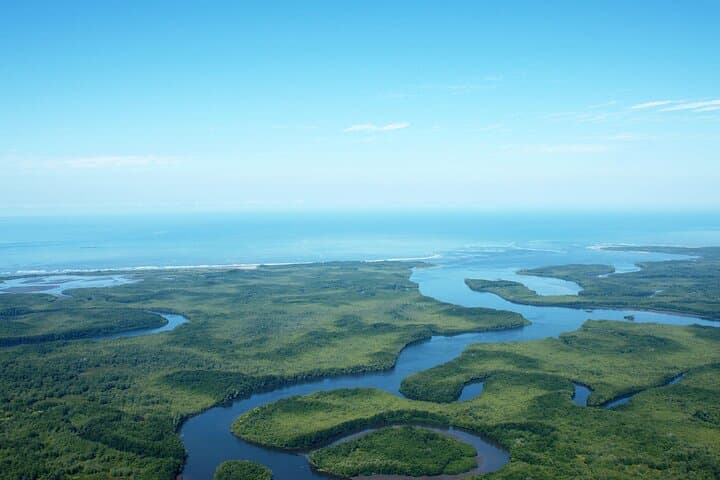
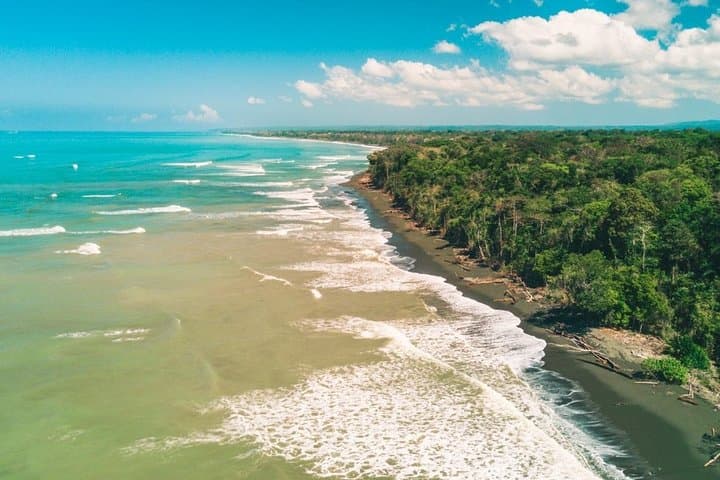
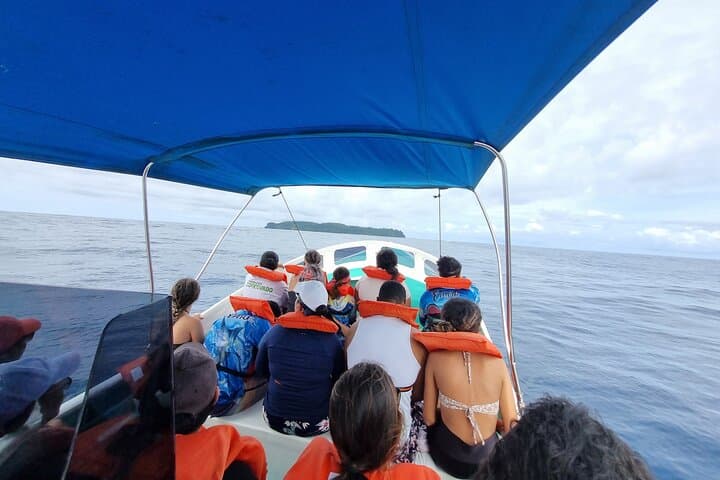
The Térraba-Sierpe Mangrove Reserve, located along the southern Pacific coast of Costa Rica, covers the largest mangrove forest in the country and one of the most extensive in Central America. The reserve spans approximately 24,000 hectares of dense mangrove swamps, tidal channels, estuaries, and coastal lagoons along the Térraba and Sierpe rivers. Its unique geography supports a complex ecosystem that provides breeding grounds and nursery habitats for numerous fish species, marine organisms, and migratory birds. Rich biodiversity includes species such as American crocodiles, scarlet macaws, howler monkeys, and a wide variety of wading birds including herons and egrets. The area has long been important to local communities for fishing and small-scale agriculture, and in recent decades, it has gained international recognition for its ecological value. Visitor appeal centers on guided boat tours through the mangroves, bird watching, kayaking, and nature photography. The reserve offers an immersive experience into a rare and fragile environment where visitors can explore winding waterways bordered by dense mangrove roots and spot elusive wildlife. The Térraba-Sierpe Reserve is part of the Osa Conservation Area and plays a crucial role in protecting coastal biodiversity. Due to the mangroves’ importance for carbon sequestration and shoreline stabilization, the reserve is also significant in combating the impacts of climate change. Efforts to promote sustainable tourism and educate visitors help ensure this vital habitat remains protected for future generations.