Wilderness Landscape & Natural Heritage
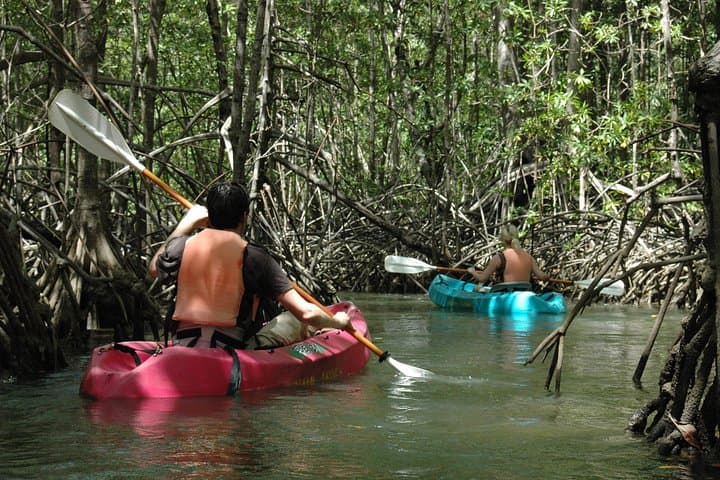
The Tárcoles River Wildlife Refuge, located on the Central Pacific coast of Costa Rica, encompasses important wetland habitats including mangroves, estuaries, marshes, and riverine environments. These ecosystems sustain a rich diversity of flora and fauna, making it an essential conservation area for both resident and migratory species. The refuge is particularly famous for housing one of the largest populations of American crocodiles (Crocodylus acutus) in Central America. Visitors traveling by boat along the Tárcoles River often observe these crocodiles basking on riverbanks, alongside various waterbirds such as herons, egrets, and kingfishers. The refuge spans coastal plains and wetlands where the biodiversity includes reptiles, amphibians, mammals, and fish employed in local subsistence and ecotourism economies. Established to protect these fragile aquatic ecosystems from encroachment and pollution, the refuge plays a critical role in regional conservation efforts. Recreational opportunities primarily include guided boat tours and birdwatching excursions, with interpretive activities available to provide insight into the refuge's ecological significance. While there are no extensive hiking trails, access points along the river and surrounding areas allow for wildlife photography, landscape observation, and environmental education. The proximity of the refuge to the town of Tárcoles and its accessibility from major highways makes it a popular destination for day trips focused on nature experiences and wildlife encounters uniquely characteristic of Costa Rica's Pacific coast wetlands.