Wilderness Landscape & Natural Heritage
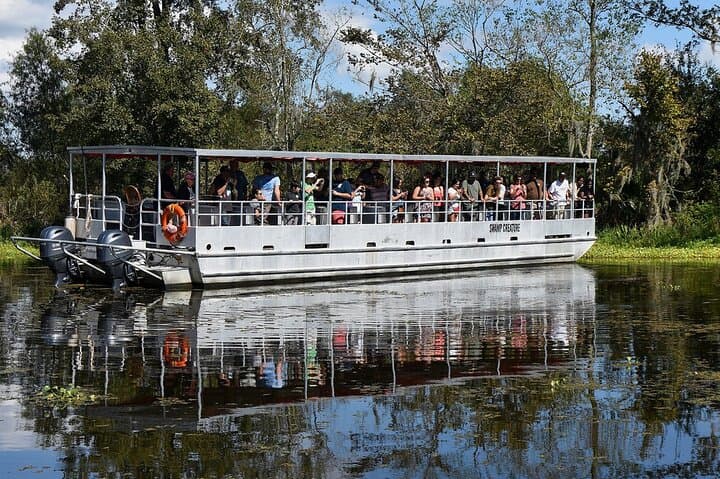
Plaquemines Parish National Wildlife Refuge is located in southeastern Louisiana, covering a significant portion of coastal wetlands along the Mississippi River delta. This refuge encompasses expansive marshes, tidal bays, freshwater swamps, and barrier islands, creating diverse habitats that support a large variety of wildlife. The area is key for bald eagles, waterfowl, and several endangered species including the West Indian manatee and Louisiana black bear. Established primarily to protect habitat for waterfowl and other migratory birds, the refuge forms an integral part of the Mississippi Flyway. Its coastal location exposes it to dynamic natural processes such as sediment deposition, saltwater intrusion, and storm impacts. Outdoor enthusiasts can experience fishing, birding, photography, and paddle sports in these biologically rich wetlands. Visitors often spot great blue herons, snowy egrets, alligators, and numerous fish species. The refuge also plays an important role in protecting coastal wetlands that help buffer against hurricane storm surges and coastal erosion. Access to the refuge is largely by boat, and guided tours, as well as small-scale hiking and wildlife viewing are popular. While there are no developed campgrounds within the refuge, nearby communities offer accommodations, and boaters often use access points throughout the region. Plaquemines Parish National Wildlife Refuge demonstrates the importance of conserving Louisiana’s rapidly changing coastline and wildlife habitat while offering visitors a chance to experience unique bayou and marsh ecosystems.