Wilderness Landscape & Natural Heritage
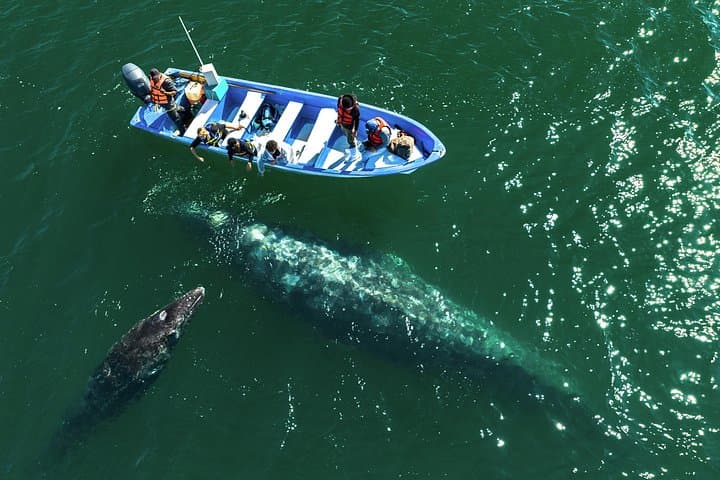
Laguna Ojo de Liebre, also known as Scammon's Lagoon, is a large coastal lagoon located along the Pacific coast of Baja California Sur, Mexico. It is part of the El Vizcaíno Biosphere Reserve, one of the largest protected natural areas in Mexico and a UNESCO World Heritage site. The lagoon stretches roughly 64 miles along the coastline and covers approximately 615 square miles of shallow waters, salt marshes, mudflats, and mangroves, creating a unique estuarine environment. Laguna Ojo de Liebre is globally famous as one of the most important winter breeding and calving grounds for the Eastern Pacific gray whale population. Each year from December through April, hundreds of gray whales undertake a long migration from their feeding grounds in the Arctic to the warm, protected waters of the lagoon to mate, give birth, and nurse their calves.
Beyond whales, the lagoon supports a rich variety of wildlife including sea lions, dolphins, migratory birds such as flamingos, and other marine species that thrive in this nutrient-rich sanctuary. The lagoon’s surrounding desert landscapes contribute to its striking contrasts and ecological diversity. Visitors are drawn here primarily for guided boat tours to observe gray whales up close in their natural habitat, along with birdwatching, kayaking, and nature photography.
Historically, the lagoon has been a traditional area for local fishing communities, and conservation efforts have evolved to balance human activity with protection of critical habitats. The area's remoteness and protected status limit large-scale tourism, helping maintain its pristine ecosystem. Laguna Ojo de Liebre’s unique combination of ecological wonders and cultural respect make it a captivating destination for wildlife enthusiasts, researchers, and eco-tourists seeking an authentic natural experience.