Wilderness Landscape & Natural Heritage
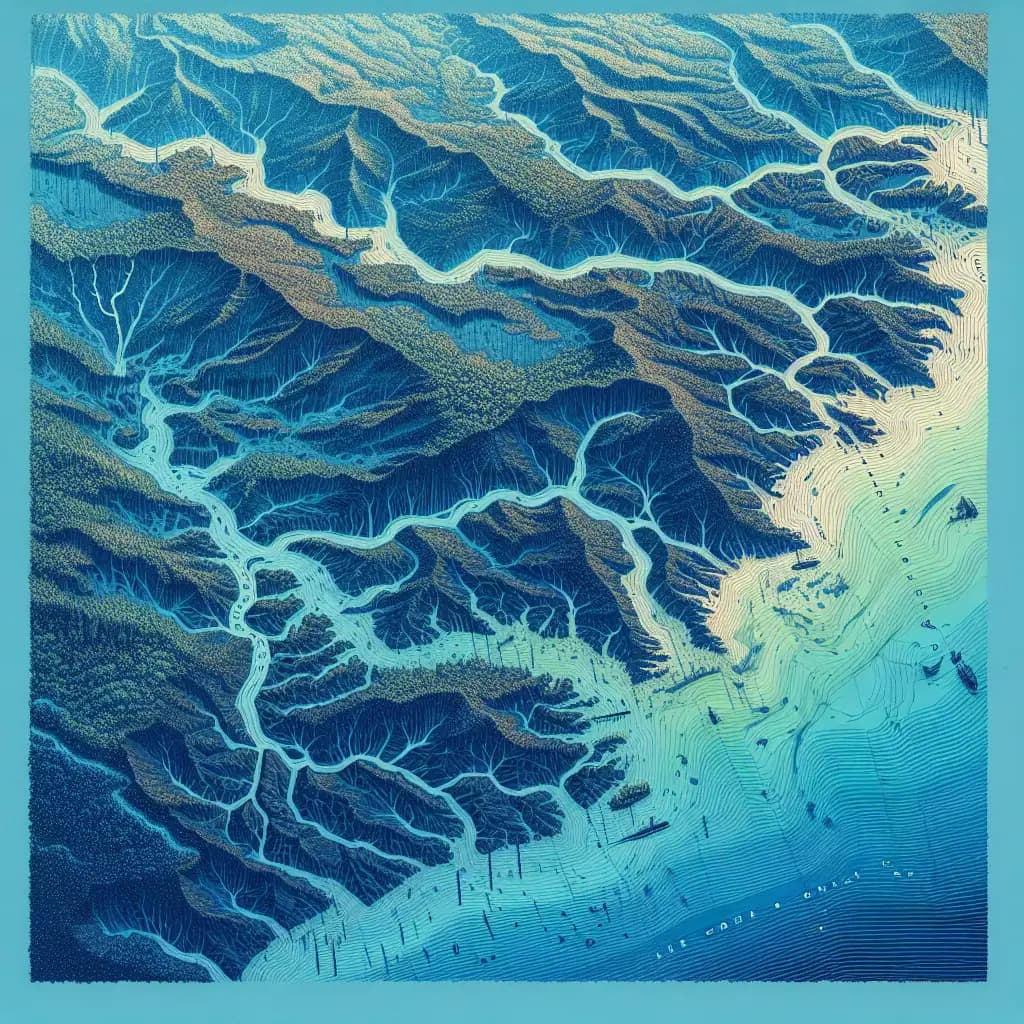
Located off the coast of South Carolina near Charleston, Bull Island is a 3,600-acre barrier island that forms the core of the Cape Romain National Wildlife Refuge Complex. This island is characterized by expansive sandy beaches, maritime forests, pristine salt marshes, and tidal creeks, creating a rare and diverse ecosystem. Bull Island serves critical habitat for a variety of wildlife, including endangered loggerhead sea turtles, a vast array of shorebirds, and migratory birds that rely on its protected environment. Its isolation from the mainland allows natural processes to continue undisturbed, preserving its scenic and ecological integrity. Historically, Bull Island was known to Native American tribes and later attracted fishermen and small communities, but today it remains largely wild with only a few remnants of past human activity. Visitors access the island by ferry or private boat from Isle of Palms or Awendaw. Recreational activities focus on wildlife viewing, hiking the long nature trails, birdwatching, beachcombing, photography, and paddling around the island’s marshes. The island’s trails include boardwalks and sandy paths that traverse diverse habitats. Notable landmarks include the Cape Romain Refuge Environmental Education Center, close to ferry points, and popular spots for spotting the elusive wild horses and nesting sea turtles during summer. Bull Island appeals to outdoor enthusiasts seeking solitude and nature immersion within a protected coastal wilderness setting, making it a premier destination for ecological study and photography in South Carolina’s Lowcountry.