Wilderness Landscape & Natural Heritage
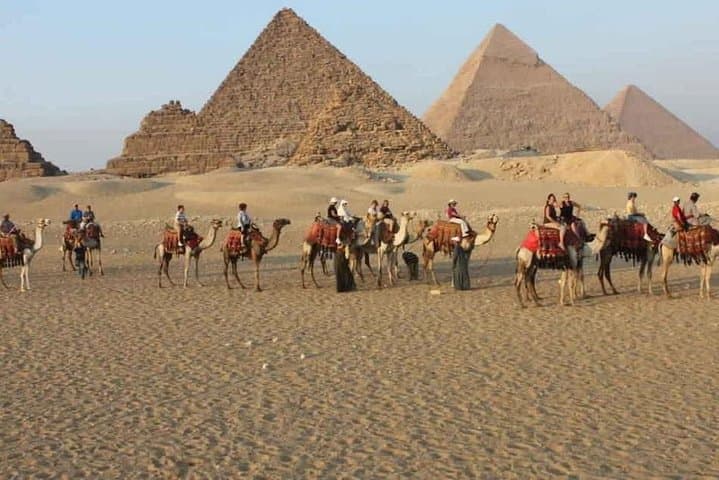
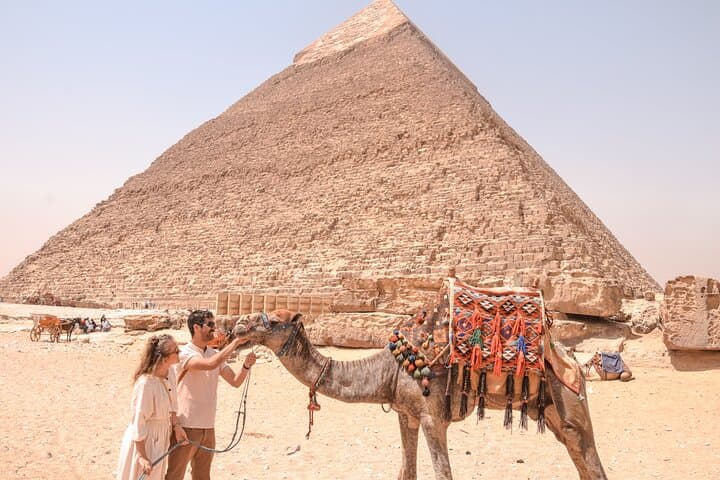
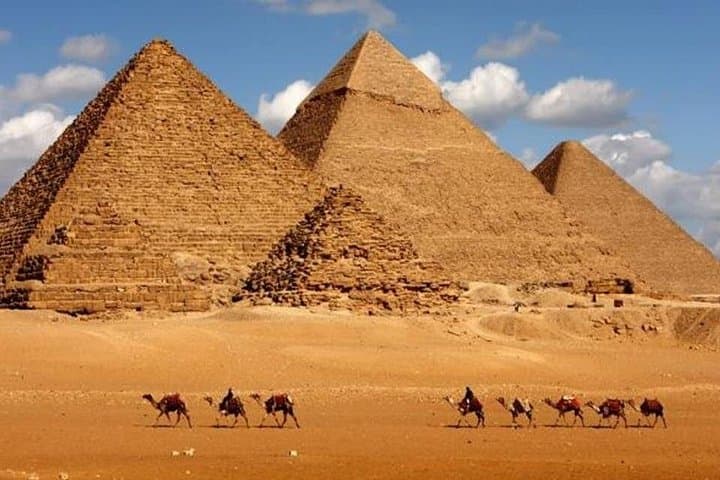
The Nile River courses through northeastern Africa, cutting through diverse landscapes that include deserts, wetlands, and remarkable cities. Stretching approximately 4,135 miles, it is the longest river in the world, with two major tributaries: the White Nile originating in East Africa and the Blue Nile beginning in Ethiopia. Both tributaries merge near Khartoum, Sudan, creating a waterway that is crucial for agriculture and daily sustenance in the region. Ecologically, the Nile River supports an array of wildlife, including crocodiles, hippopotamuses, and an abundant variety of fish. Historically, the river has been pivotal in the development of ancient Egyptian society, providing fertile grounds for agriculture and serving as a critical transportation route. The Nile also hosts archaeological sites and monuments, such as the temples of Karnak and Luxor and the Pyramids of Giza, highlighting its rich cultural significance. Visitors can enjoy the scenic beauty along the riverbanks, explore ancient ruins, or partake in river cruises to witness the unique ecosystems and vibrant communities along its length.