Wilderness Landscape & Natural Heritage
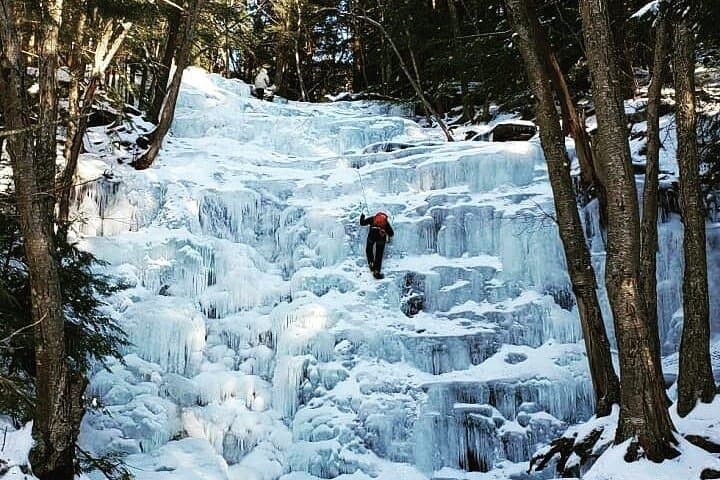
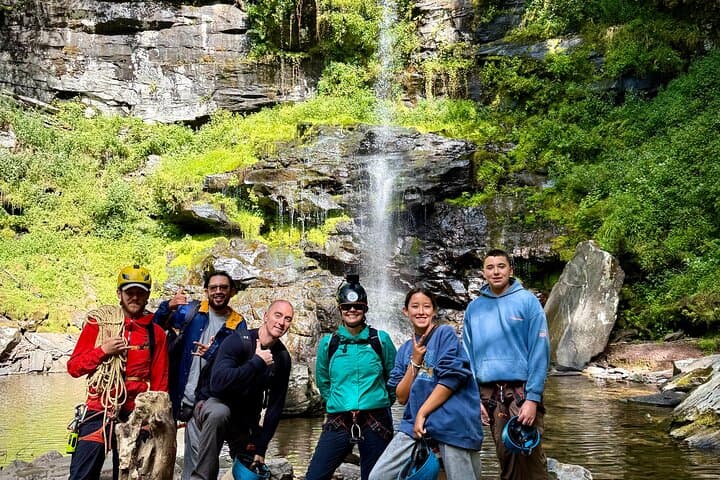
Catskill State Park spans over 700,000 acres in the Hudson Valley region of southeastern New York. The park features vast hardwood forests, tall mountains including several peaks over 3,500 feet, and numerous waterfalls, streams, and reservoirs. It occupies a significant portion of the Catskill Mountains and serves as an important natural resource and recreational destination for residents and visitors alike. Historically, the area was significant for the native Lenape people and later became a key source of timber, bluestone, and early tourism in the 19th and 20th centuries. The park contains over 300 miles of maintained hiking trails, including challenging climbs to peaks like Slide Mountain—the highest in the Catskills at 4,180 feet. The landscape supports ecosystems ranging from northern hardwood forests to boreal zones at higher elevations, home to wildlife such as black bears, bobcats, and a variety of bird species including peregrine falcons. Recreation opportunities include hiking, camping, fishing, hunting, skiing, and rock climbing. The park’s multiple reservoirs also supply potable water to New York City. Popular spots include Kaaterskill Falls, one of the highest waterfalls in New York State, and the Devil’s Path trail, renowned for its difficulty and rugged beauty. Catskill State Park appeals to outdoor enthusiasts seeking both solitude in backcountry settings and easy-access scenic areas. Facilities include numerous campgrounds, picnic areas, and visitor centers. Its proximity to New York City and charming nearby towns adds to its appeal as a natural getaway.