Wilderness Landscape & Natural Heritage
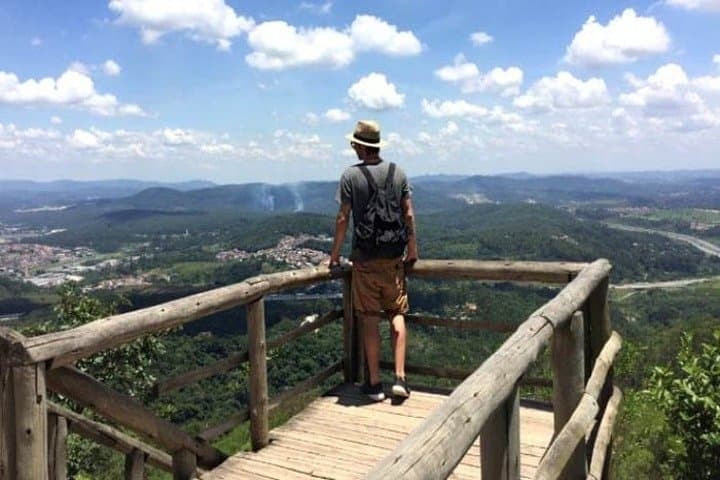
Cantareira State Park, established in 1962, spans over 7,900 hectares in the metropolitan region of São Paulo, Brazil. It is part of the Atlantic Forest biome, featuring the remnants of one of the largest forest masses near a major city worldwide. The park's terrain is mountainous, with elevations ranging from 750 to 1,000 meters, characterized by dense tropical montane forest, numerous streams, and varied flora including native palm trees, orchids, and bromeliads. The park plays a crucial role in water conservation as it protects the Cantareira System, which supplies a significant portion of São Paulo's drinking water. Visitors enjoy well-marked trails for hiking and mountain biking, with paths leading to viewpoints overlooking the city and to natural springs. Wildlife includes species such as the southern muriqui (a threatened woolly spider monkey), toucans, ocelots, and various amphibians endemic to the region. The park provides opportunities for environmental education and immersive outdoor experiences close to a large urban center. Key landmarks include the Pedra Grande lookout, offering panoramic views, and the Águas Claras visitors’ area, which serves as a hub for entrance and information. The park's proximity to São Paulo makes it a popular destination for day hikes and nature outings, drawing both casual visitors and dedicated naturalists. Despite its protected status, Cantareira faces challenges from urban encroachment and fires during dry seasons. Efforts continue to enhance park management and promote conservation awareness among visitors and local residents.