Wilderness Landscape & Natural Heritage
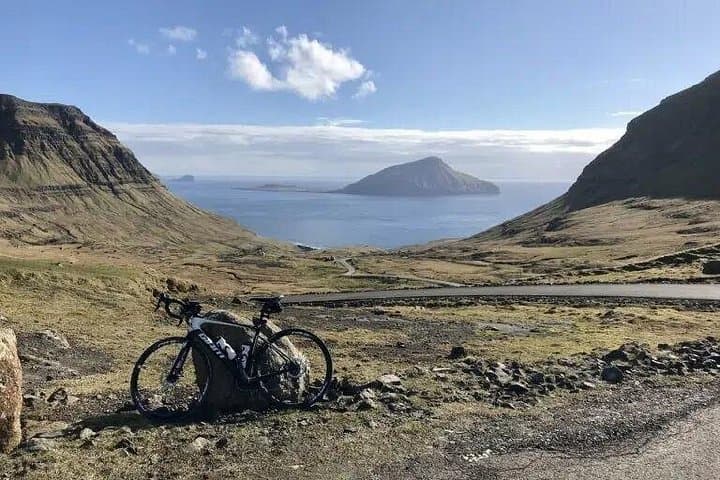
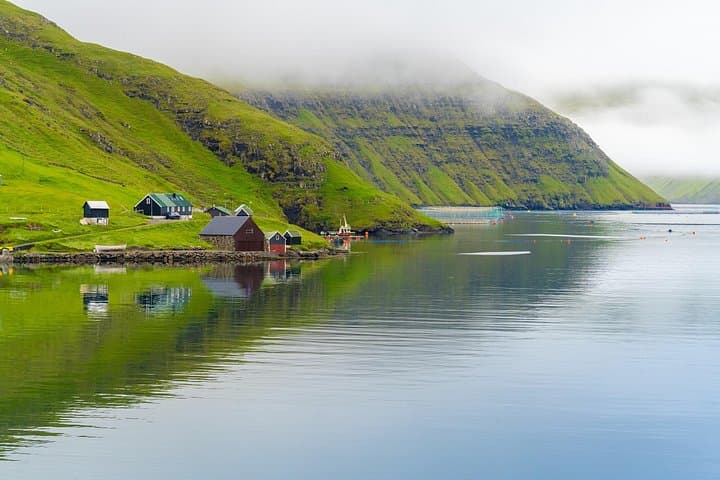
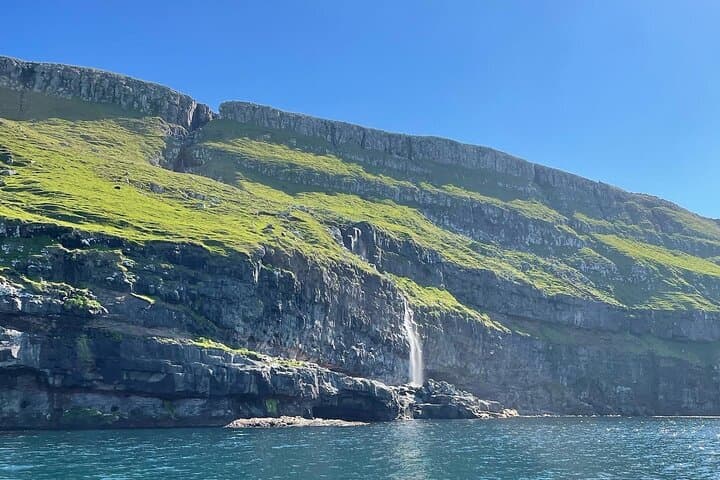
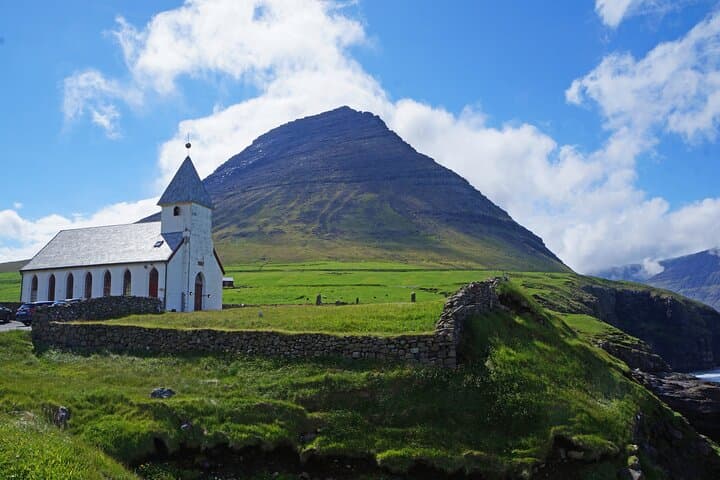
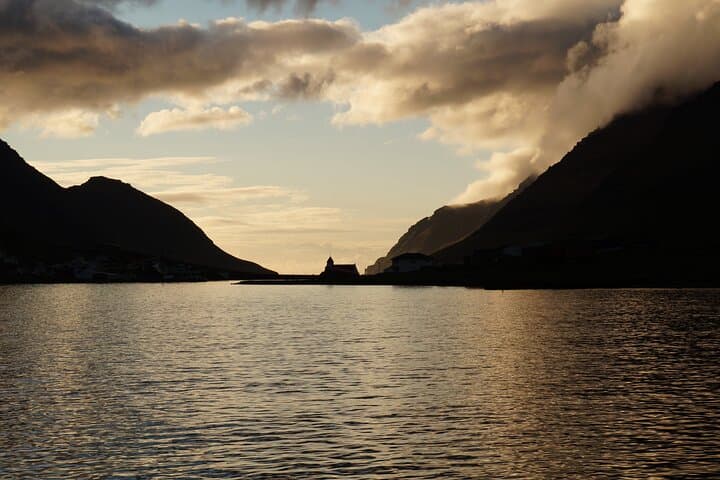
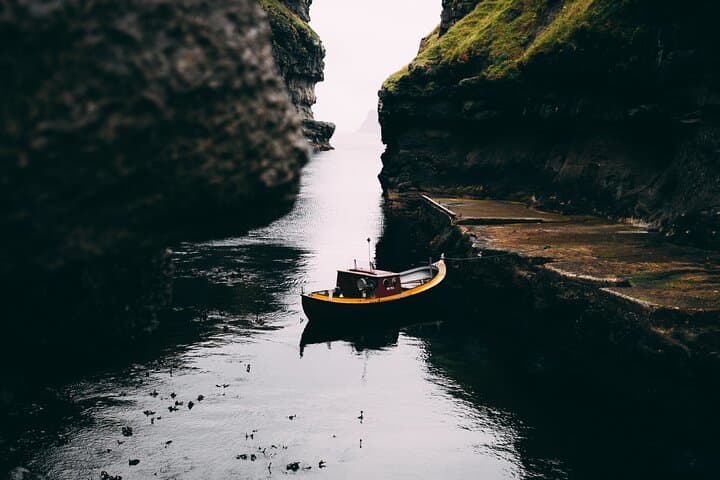
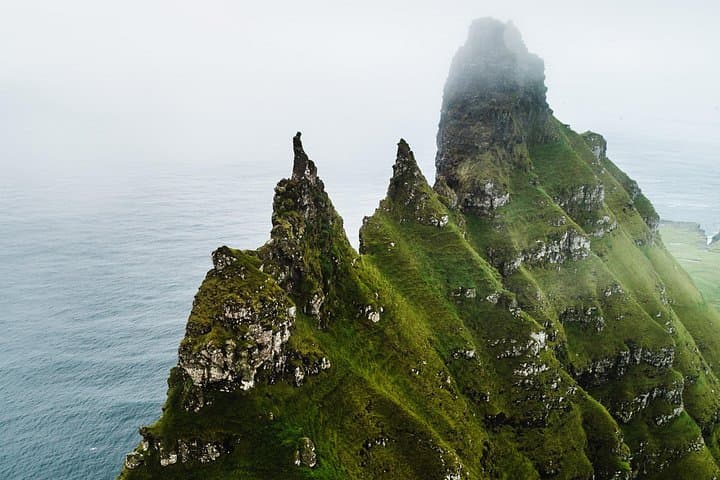
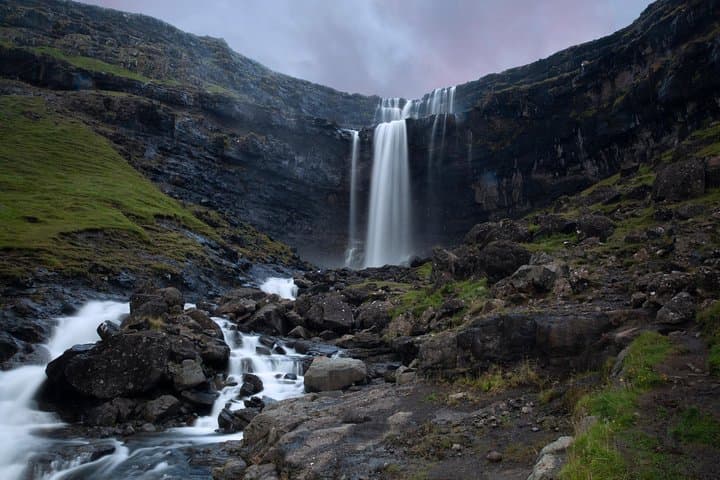
The Faroe Islands Ramsar Wetlands comprise multiple protected wetland areas across the North Atlantic archipelago of the Faroe Islands, encompassing fjords, coastal marshes, lakes, peatlands, and river estuaries. These wetlands serve as crucial refuges for migratory waterbirds, including populations of geese, ducks, and waders, and provide important breeding, feeding, and resting habitats. The islands’ volcanic-origin landscape and oceanic climate contribute to distinctive wetland ecosystems rich in peat and moss, with unique plant communities adapted to the subpolar oceanic conditions. Historically, the wetlands have been integral to local Faroese culture and livelihoods, offering sustainable resources and shaping settlement patterns. Recreational opportunities include birdwatching, nature photography, and low-impact hiking along coastal trails. Visitors are drawn to the pristine, often mist-shrouded wetlands framed by rugged cliffs and steep hills, which create an evocative atmosphere valued by naturalists and outdoor enthusiasts alike. While the Ramsar sites are dispersed, key areas such as Sørvágsvatn lake and the tidal flats at Vágar attract particular attention for their diverse flora and fauna. The Faroe Islands government and local stakeholders collaborate internationally to maintain the ecological integrity of these wetlands, promoting conservation alongside responsible tourism. The combination of wild landscapes and rich wildlife makes the Ramsar Wetlands an essential natural heritage site within the Faroe Islands.