Wilderness Landscape & Natural Heritage
Península Valdés Provincial Reserve, located in the northeast of Argentina's Patagonia region in Chubut Province, is a vast coastal area covering approximately 4,000 square kilometers. The peninsula juts into the Atlantic Ocean and is surrounded by marine waters that provide critical habitat for a variety of marine mammals and seabirds. Its geography features cliffs, sandy beaches, and steppes, combining to create one of the most important marine ecosystems in South America.
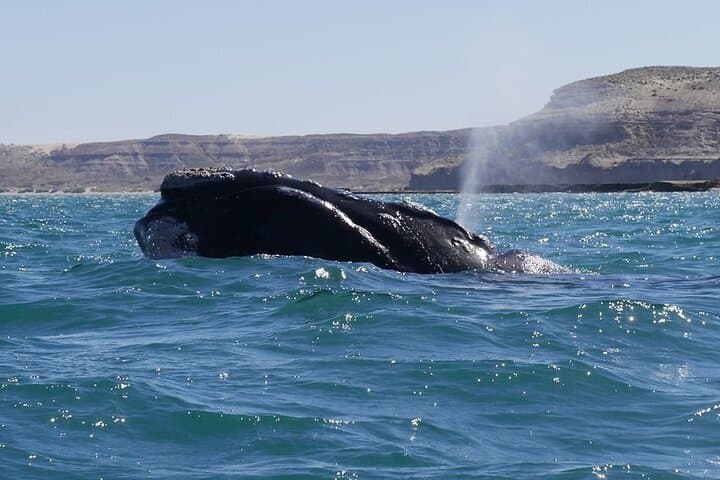
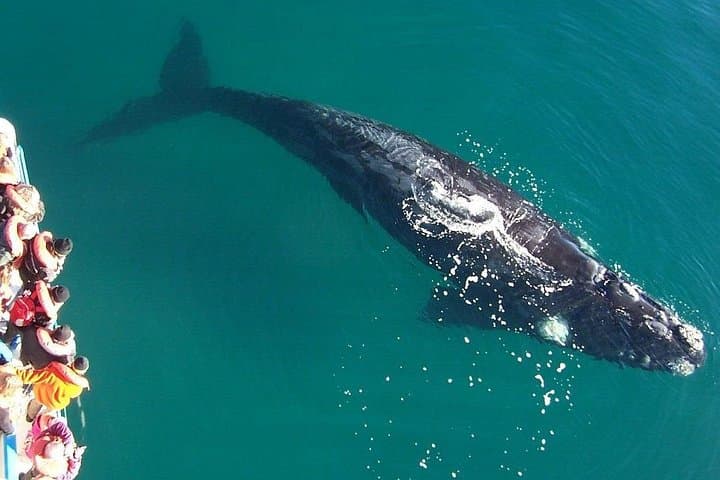
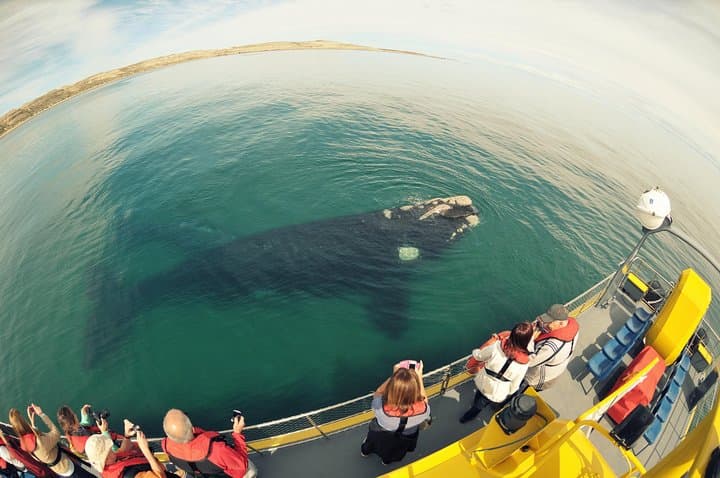
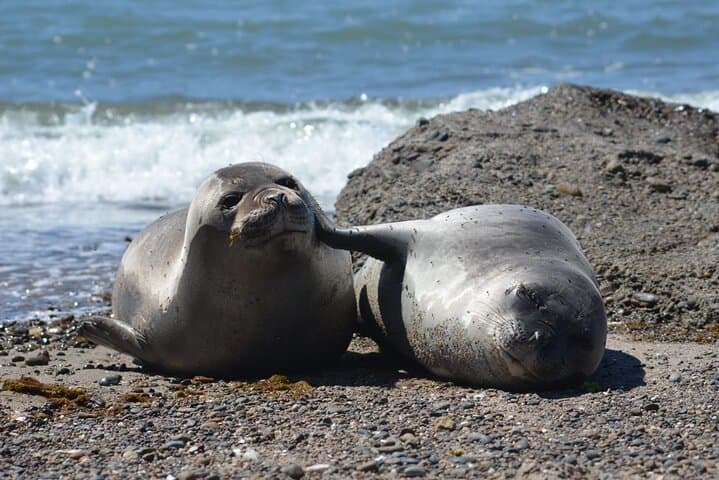
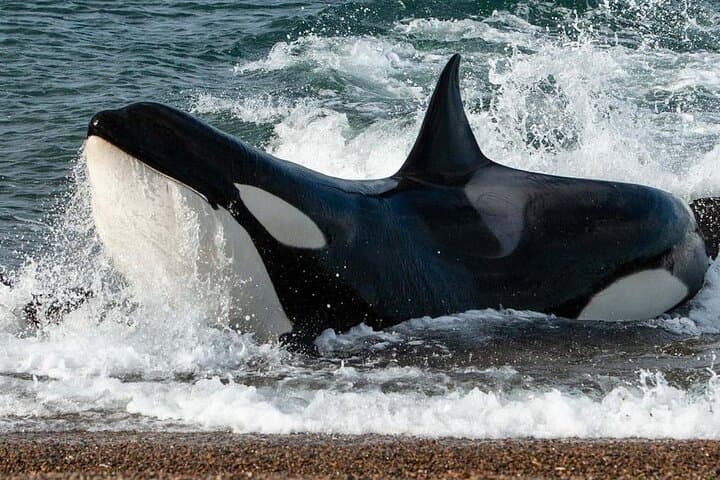
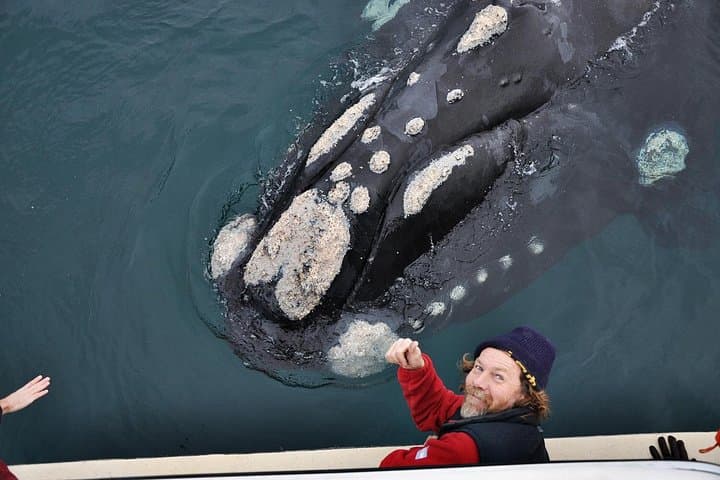
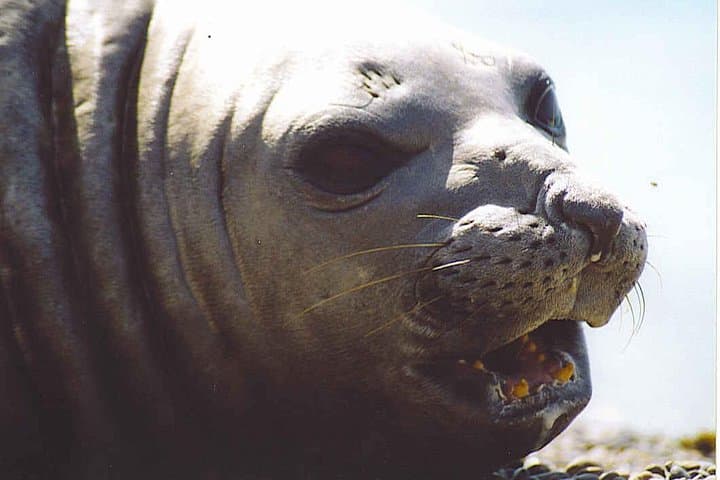
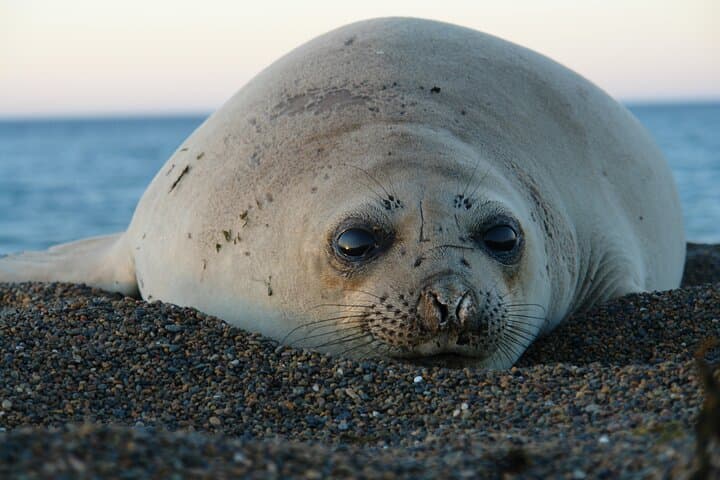
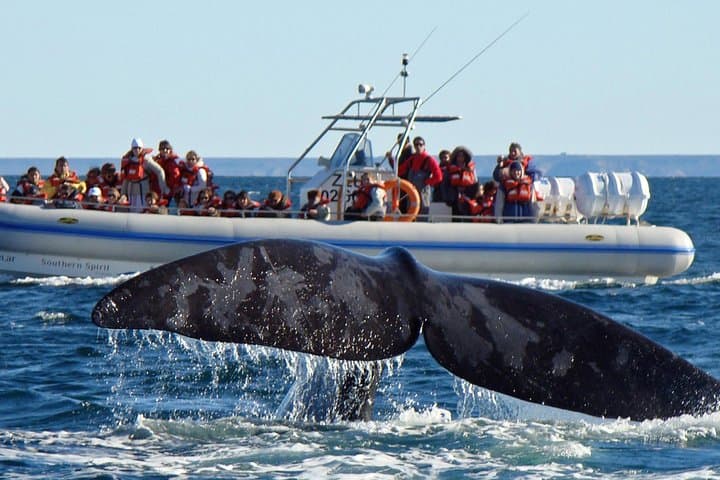
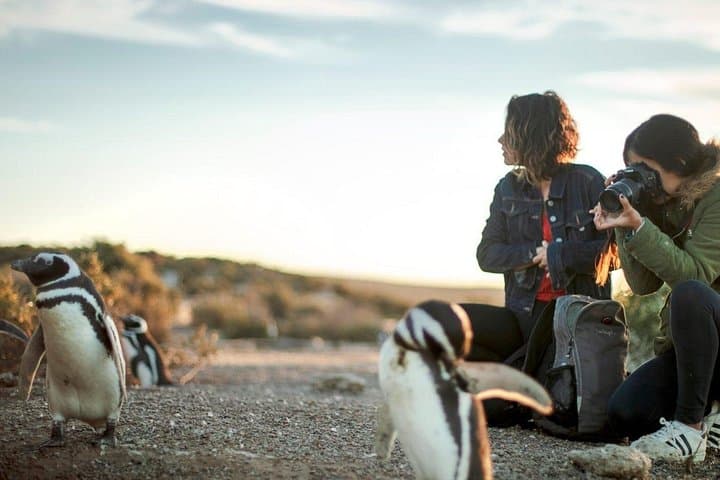
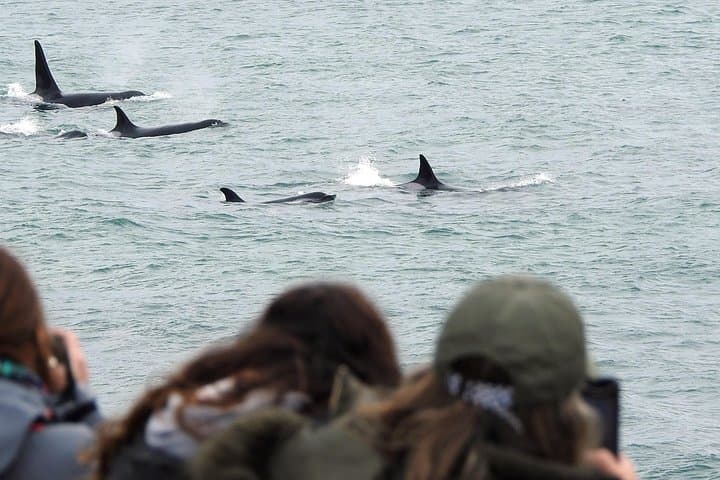
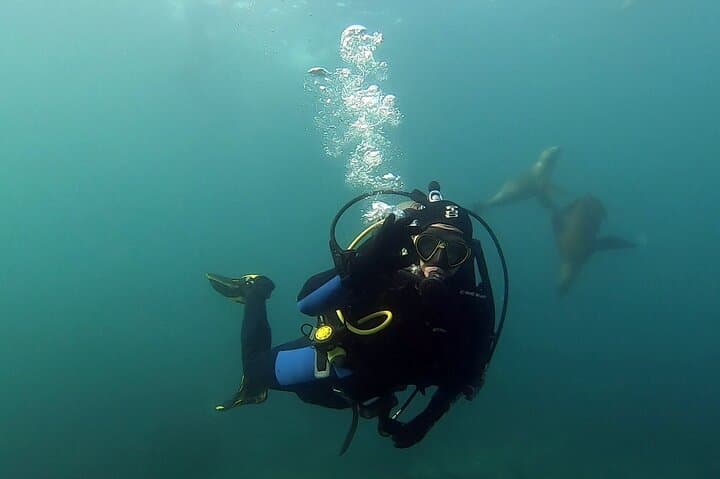
The reserve is globally celebrated as a key breeding ground for Southern right whales between June and December, where visitors can observe mothers and calves close to shore. Additionally, the area supports colonies of elephant seals, sea lions, Magellanic and gentoo penguins, and occasional orcas famous for their unique hunting techniques near the coast. On land, guanacos, rheas, and Patagonian foxes make up the diverse terrestrial wildlife.
Established in 1974 and later designated a UNESCO World Heritage Site in 1999, the reserve emphasizes conservation, scientific research, and ecotourism development. Recreational activities primarily consist of wildlife viewing, boat tours, guided hikes, birdwatching, and scenic drives along rugged coastal paths and salt marshes. Notable landmarks include Punta Norte, a prime location for observing sea lions and orcas, and Caleta Valdés, known for its elephant seal colony.
Visitors are drawn to its raw natural beauty and unique ecological character, making it a premier destination for wildlife enthusiasts and nature photographers. The combination of marine and terrestrial ecosystems along with the cultural heritage of the indigenous Tehuelche people adds to the area’s appeal.