Wilderness Landscape & Natural Heritage
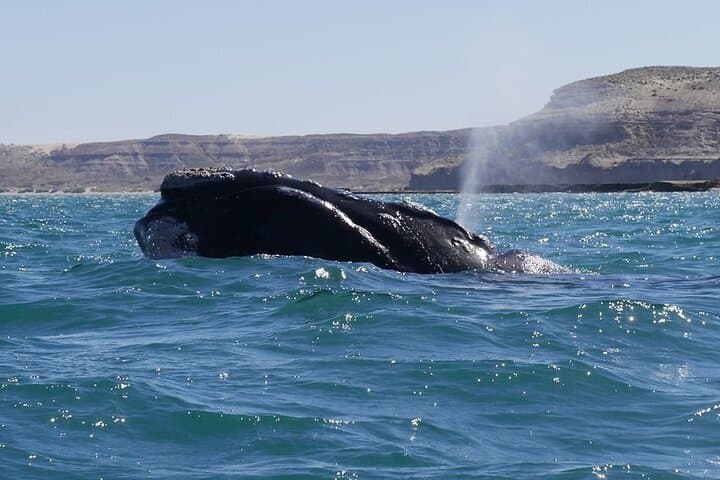
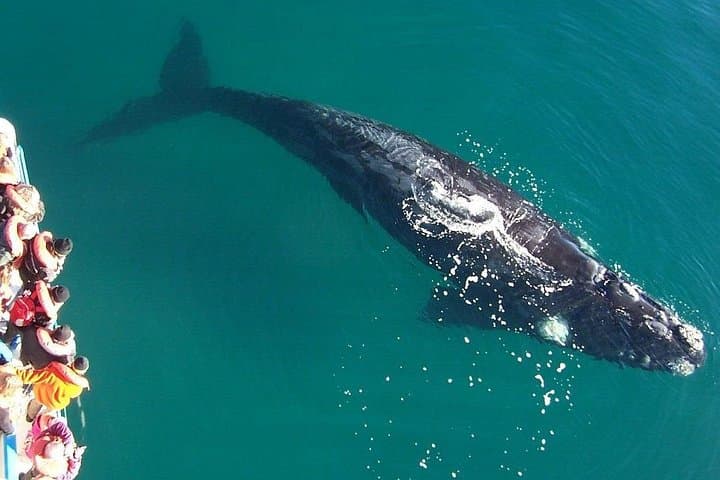
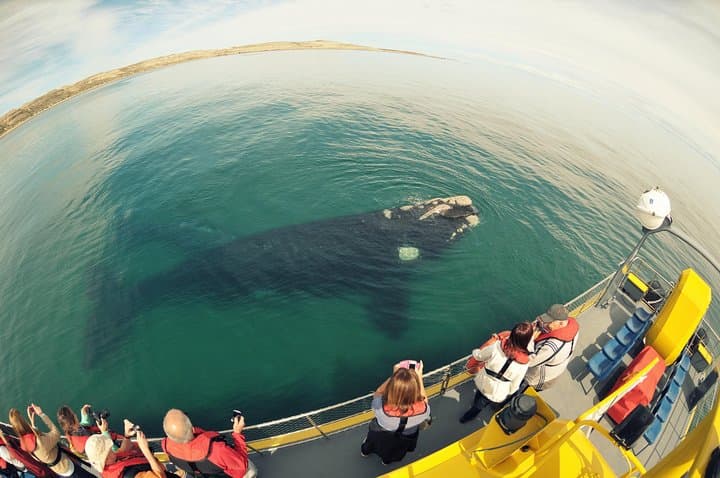
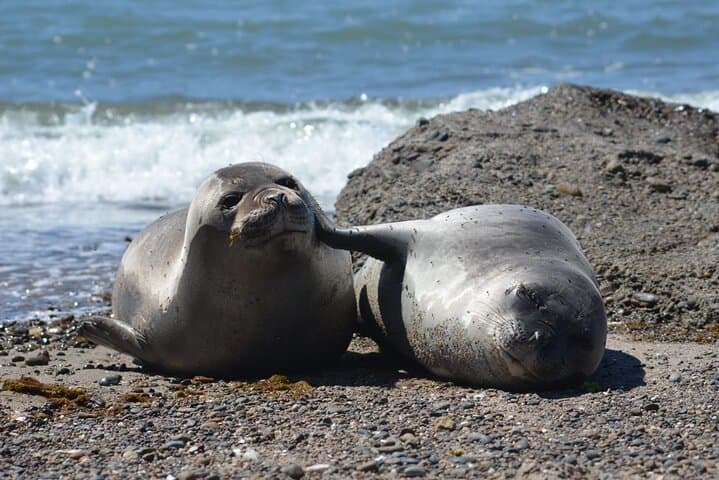
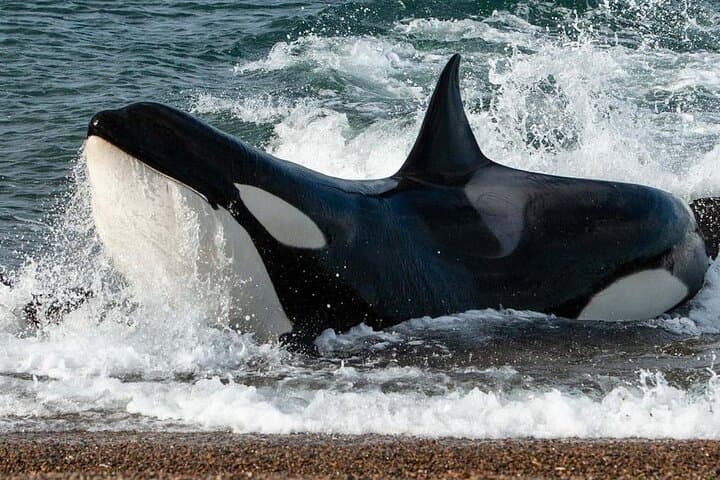
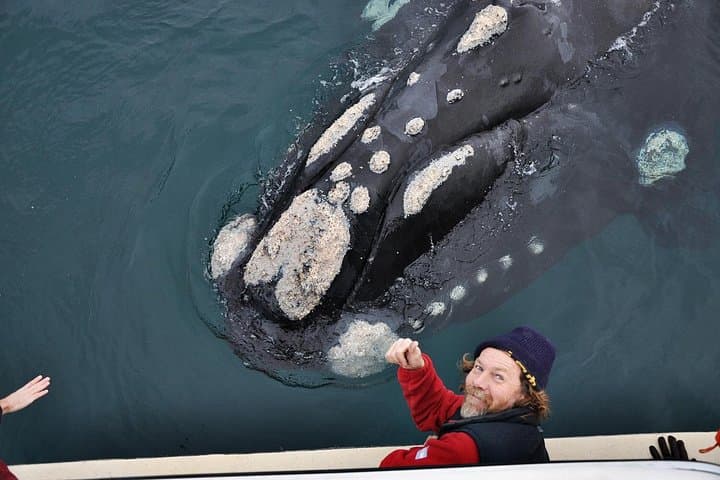
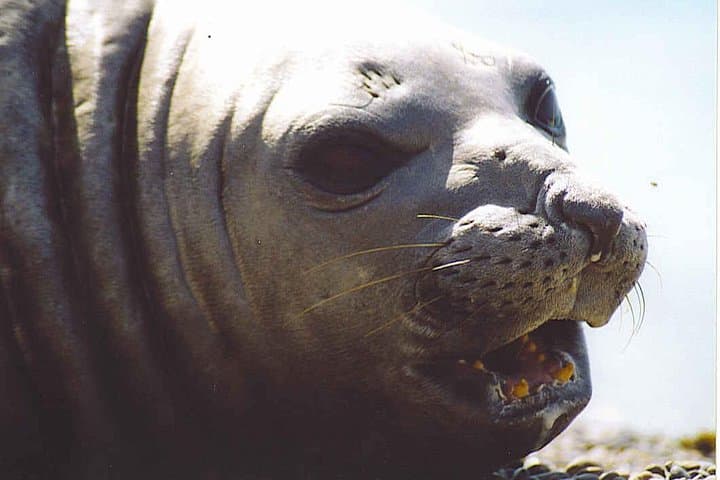
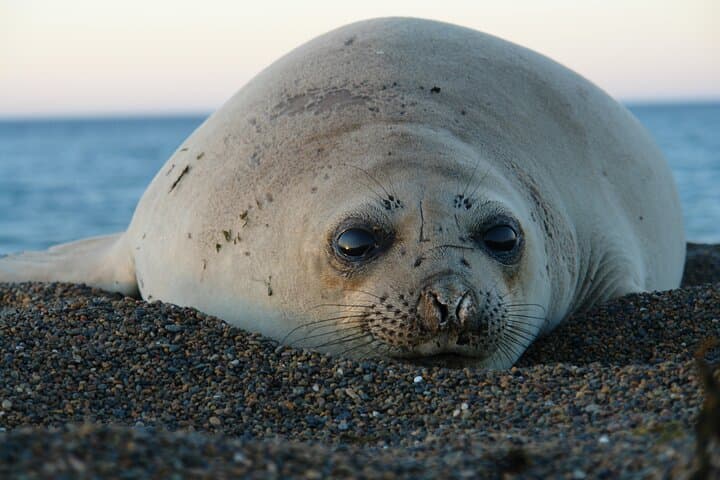
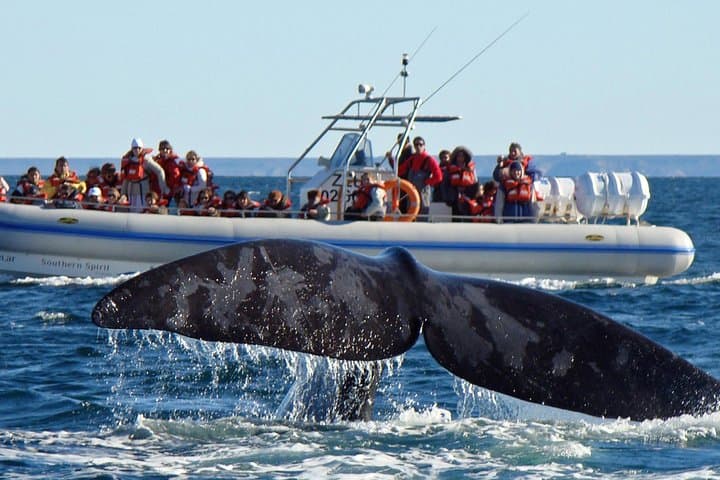
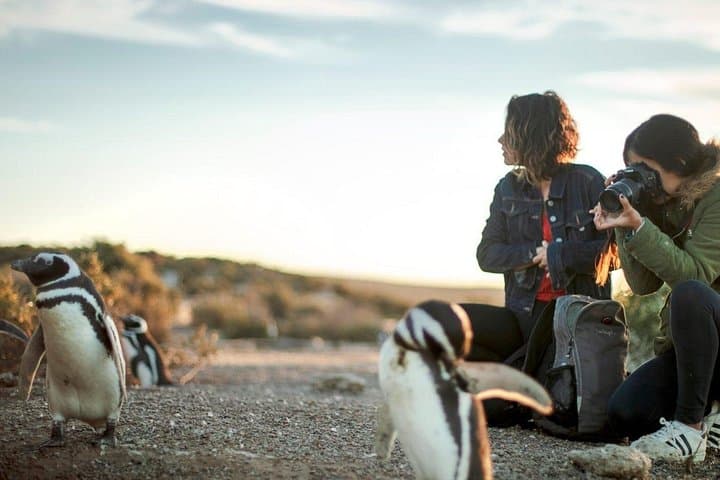
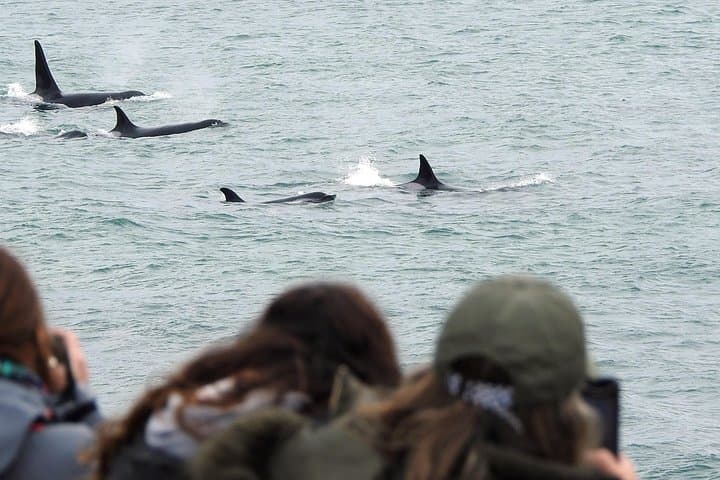
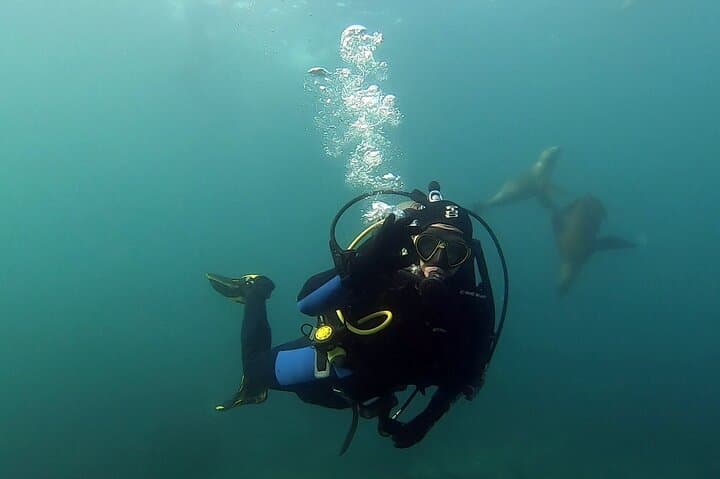
Peninsula Valdés is a prominent nature reserve located on the northeastern coast of Chubut Province in Argentina. This large, arid peninsula protrudes into the South Atlantic Ocean and serves as a vital refuge and breeding ground for a variety of marine and terrestrial species. Its geography features rugged cliffs, salt flats, dunes, and sandy beaches, creating diverse habitats that support unique flora and fauna. Established to protect both terrestrial and marine biodiversity, the reserve has become world-renowned for its extraordinary wildlife viewing, particularly of southern right whales that come to the sheltered bays to mate and calve between June and December. Visitors can also witness breeding colonies of elephant seals, sea lions, Magellanic penguins, and lesser-known species such as the guanaco and maras. The region’s sparse vegetation consists mostly of steppe plants adapted to the semi-arid climate. Historically, Peninsula Valdés was recognized by UNESCO in 1999 for its ecological importance. Besides wildlife observation, visitors can enjoy scenic drives along unpaved coastal routes, guided boat trips, and birdwatching. Although formal hiking trails are limited, several marked viewpoints offer spectacular panoramas of the ocean and wildlife activity. The reserve draws naturalists, photographers, and eco-tourists eager to encounter rare marine life in an unspoiled environment. Facilities are modest, emphasizing conservation and low-impact visitation. Overall, Peninsula Valdés combines ecological significance with one of the best places on Earth to experience the seasonal return of majestic whales and other marine mammals in their natural setting.