Wilderness Landscape & Natural Heritage
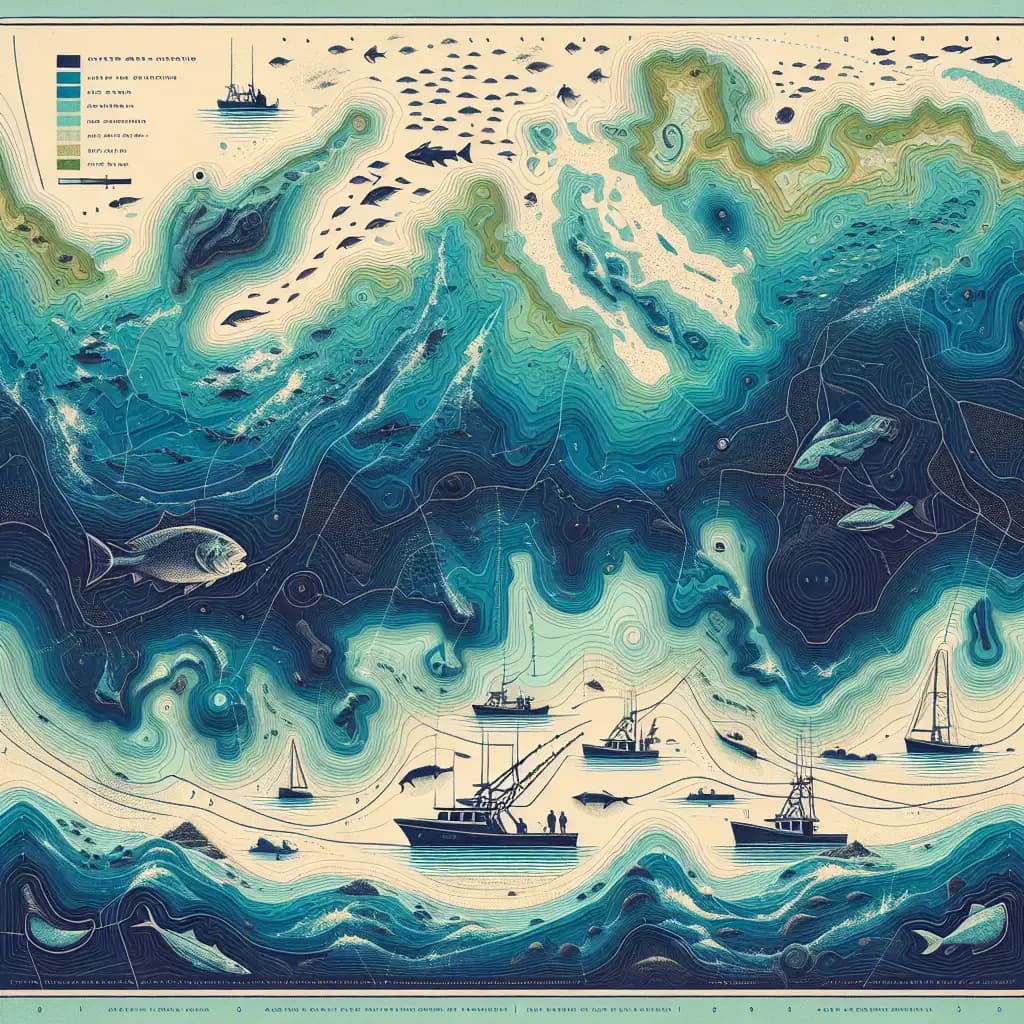
The Islas del Paraná Delta is a sprawling network of islands, channels, and wetlands formed at the confluence of the Paraná River before it flows into the Río de la Plata estuary. Spanning parts of the Buenos Aires and Entre Ríos provinces in Argentina, this delta is one of the largest and most ecologically diverse freshwater deltas in South America. The delta’s landscape is characterized by an intricate mosaic of forested islands, marshes, reed beds, and waterways that host a wealth of flora and fauna, including rare bird species such as the jabiru stork, otters, capybaras, and a variety of fish species important for both ecology and local fisheries.
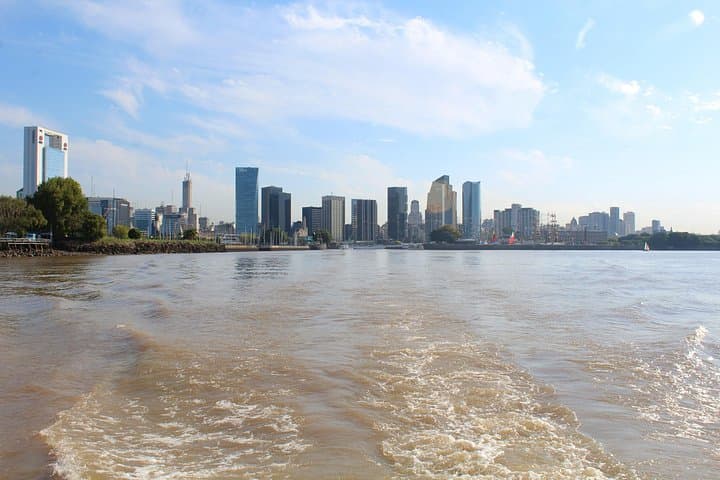
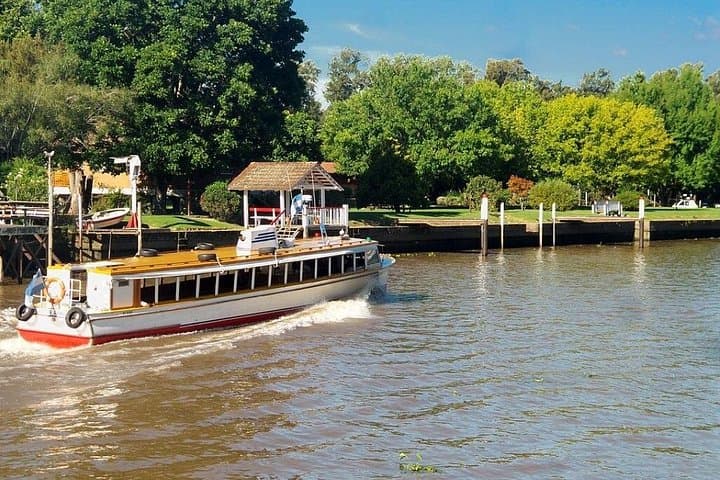
Historically, the delta has been home to small rural and fishing communities, preserving traditional lifestyles closely linked to the river. Outdoor enthusiasts are drawn to the delta for its exceptional opportunities for kayaking, canoeing, and river tours through its maze of channels. Bird watchers and anglers find the area particularly rewarding. Notable landmarks include the small islands like Isla Paulino and the natural parks established to help conserve this fragile ecosystem. The delta’s accessibility from Buenos Aires city makes it a popular destination for weekend eco-tourism and nature escapes.
Visitors can explore by boat guided tours or venture into less-traveled waterways for secluded wildlife viewing. The region’s mix of temperate climate, seasonal flooding patterns, and lush vegetation supports a distinct ecological environment that changes across the year, from lush green summers to more exposed riverbanks in the drier winters. The Islas del Paraná Delta offers a serene wilderness experience in close proximity to urban centers, emphasizing environmental conservation while promoting sustainable recreation.