Wilderness Landscape & Natural Heritage
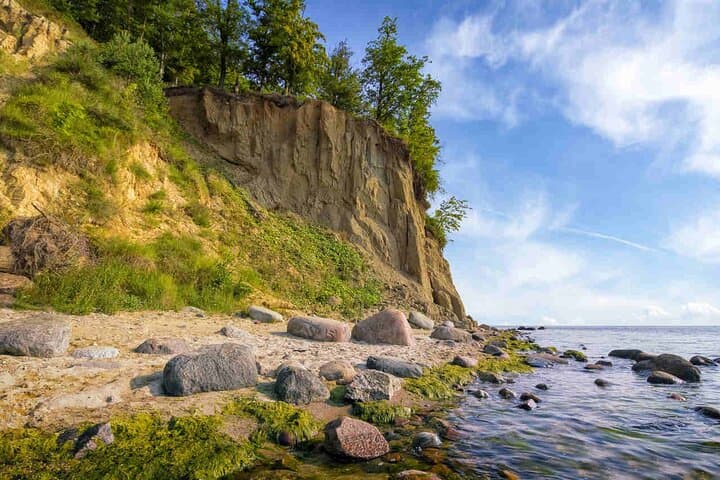
The Adjacent Baltic Sea Natura 2000 zones form a comprehensive Natura 2000 ecological network covering extensive marine, coastal, and terrestrial habitats surrounding the Baltic Sea. These sites span multiple countries—Estonia, Latvia, Lithuania, Poland, Germany, Sweden, Finland, and Denmark—and aim to preserve the Baltic Sea’s unique biodiversity under the European Union’s Habitats and Birds Directives. Geographically, the zones include shallow coastal waters, archipelagos, reed beds, lagoons, sandy beaches, and forested shores, providing critical breeding and feeding grounds for numerous protected bird species, seals, fish, and invertebrates. The rich and varied habitats sustain vulnerable and endangered species such as the Baltic ringed seal, white-tailed eagle, and various migratory waterfowl. Several areas preserve pristine underwater meadows of eelgrass, which play essential roles in coastal ecosystem health and carbon sequestration.
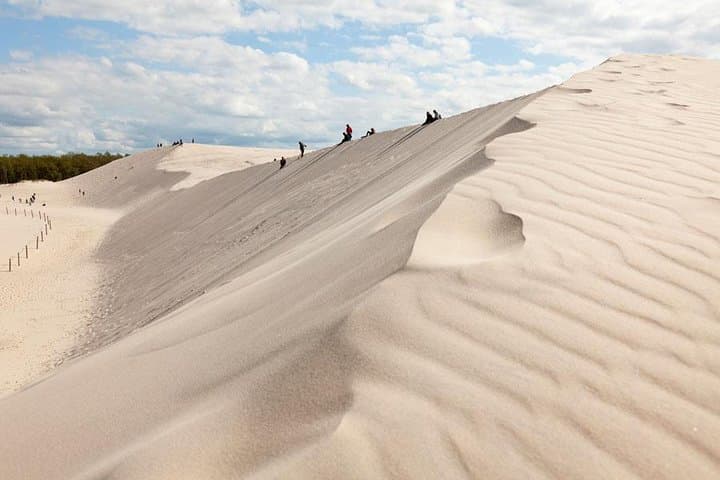
Historically, many of these coastal areas have supported traditional fishing and seafaring communities, shaping a cultural heritage closely tied to nature. Today, the Natura 2000 zones emphasize sustainable outdoor recreation including birdwatching, kayaking, hiking, and scuba diving, allowing visitors to experience the Baltic’s fragile beauty while minimizing ecological impact. Notable landmarks include the archipelago landscapes of Sweden’s Kosterhavet and Finland’s Archipelago National Park, Poland’s Slowinski Coastal Dunes, and Germany’s Western Pomerania Lagoon, each offering a distinct blend of geological formations and wildlife viewing. The zones serve as vital educational sites focused on marine conservation and climate resilience. Visitors are drawn to the tranquil seascapes, abundant wildlife, and the opportunity to explore relatively undisturbed Northern European coastal environments.