Wilderness Landscape & Natural Heritage
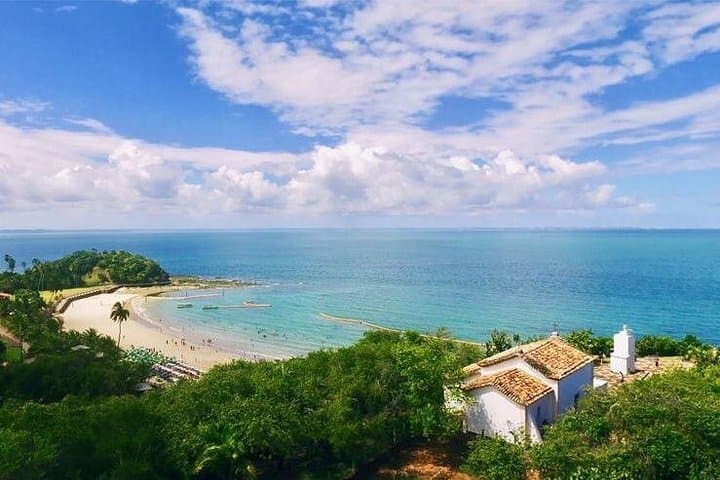
Manguezal do Paiva, also known as the Paiva Mangrove Reserve, is an ecologically significant coastal wetland located in the northern region of Bahia state, Brazil. This reserve protects one of the largest contiguous mangrove forests in the northeastern Brazilian coast, playing a crucial role in coastal protection, carbon sequestration, and serving as a nursery for many marine species. The area spans extensive tidal flats interlaced with dense mangrove trees from genera such as Rhizophora, Avicennia, and Laguncularia, providing habitat for diverse wildlife, including crustaceans, fish, birds, and occasional sightings of endangered aquatic mammals. The reserve supports several migratory bird species and is an important breeding ground for fish and shellfish that sustain local fisheries. Visitors to Manguezal do Paiva can explore small trails and water routes by kayak or canoe, ideal for birdwatching and close observation of mangrove ecosystems. Its scenic estuarine landscapes and tranquil waters attract naturalists, photographers, and researchers. Although the region has limited developed infrastructure, small local communities nearby contribute to conservation efforts and sustainable harvesting of natural resources. The reserve’s protection promotes environmental education and awareness of the fragile mangrove habitat. Key landmarks include estuarine channels, dense mangrove forests, and mudflats that transform with the tides, enhancing the dynamic character of this coastal ecosystem. The area’s low human footprint allows visitors to experience an intact and rich mangrove environment that supports both biodiversity and traditional livelihoods.