Wilderness Landscape & Natural Heritage
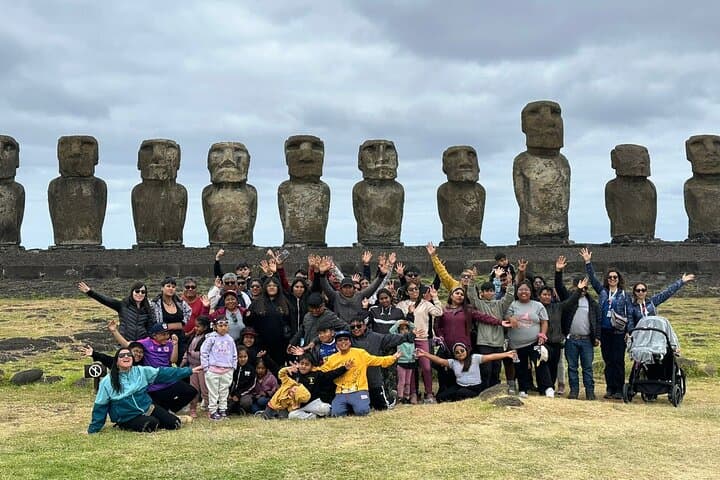
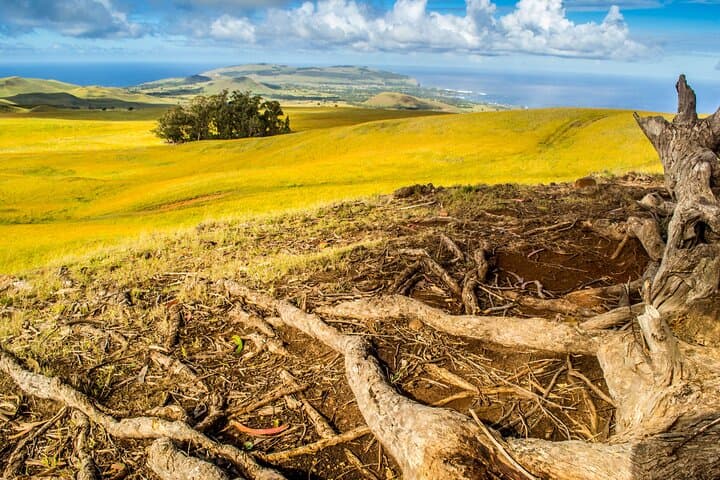
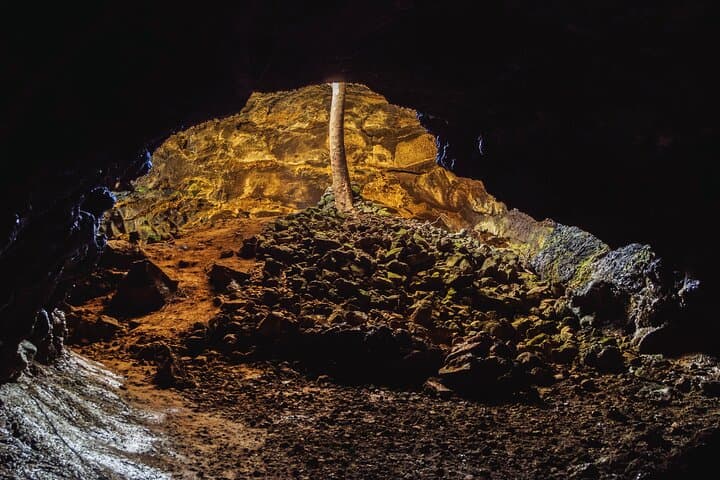
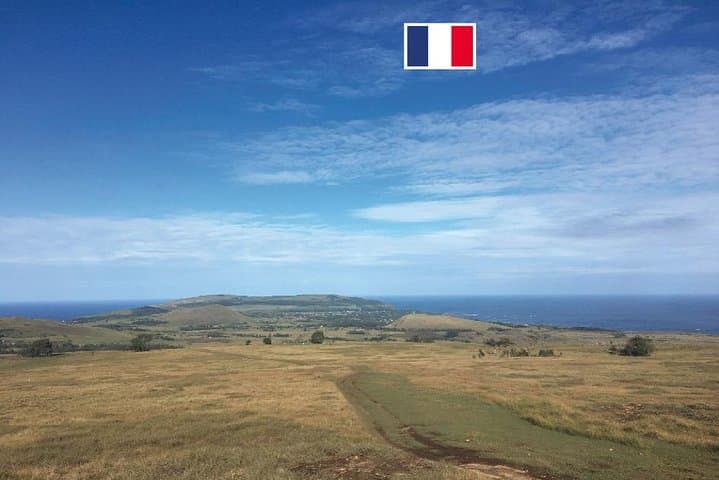
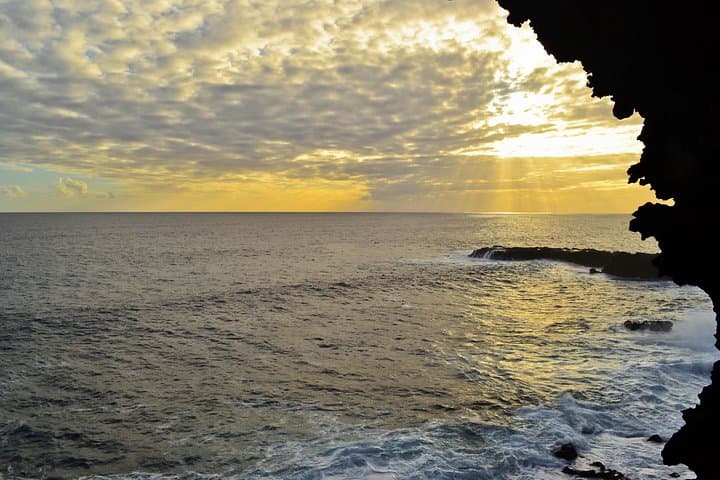
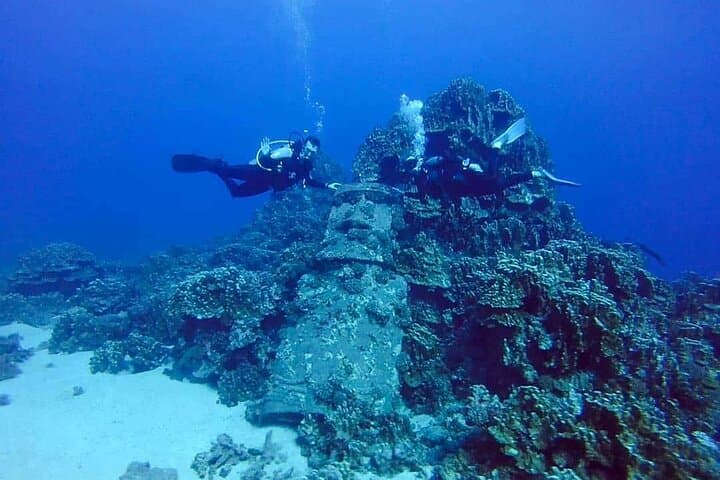
The Rapanui Conservation Area encompasses much of Easter Island, a remote Chilean territory located in the southeastern Pacific Ocean. This area preserves both the island’s rich Polynesian cultural heritage and its fragile volcanic ecosystem. The island’s most prominent features are the moai, massive monolithic human figures carved by the early Rapanui people between the 13th and 16th centuries, scattered around the island’s ceremonial platforms called ahu. The volcanic landscape includes extinct volcanoes such as Rano Kau and Terevaka, along with crater lakes and rugged lava fields. The conservation area protects native fauna, including several endemic bird species, and flora adapted to the island’s unique soil and climate. Visitors to the Rapanui Conservation Area have opportunities for hiking on trails around archaeological sites, exploring caves, and visiting the archaeological park highlighting the moai and ancestral villages such as Orongo. The area attracts researchers, cultural tourists, and nature enthusiasts who come to experience this isolated place of extraordinary cultural and geological significance. Its isolation, combined with local preservation efforts, limits mass tourism to safeguard the island’s atmosphere and resources. Visitor access is primarily managed through the Easter Island National Park administration, emphasizing respectful interaction with the island’s heritage and natural environment.