Wilderness Landscape & Natural Heritage
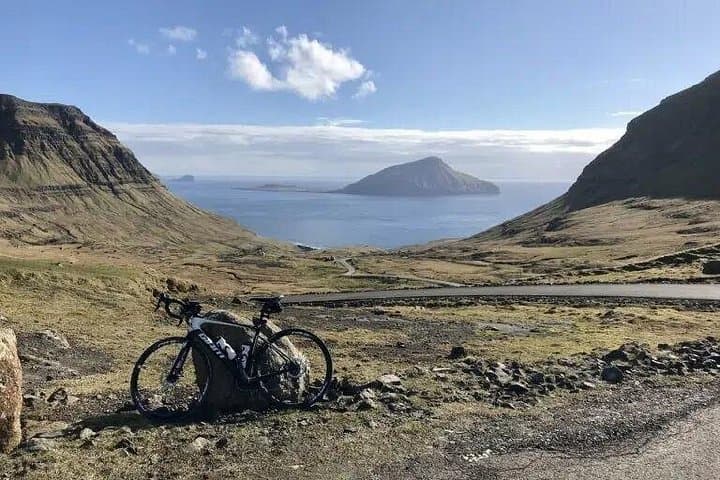
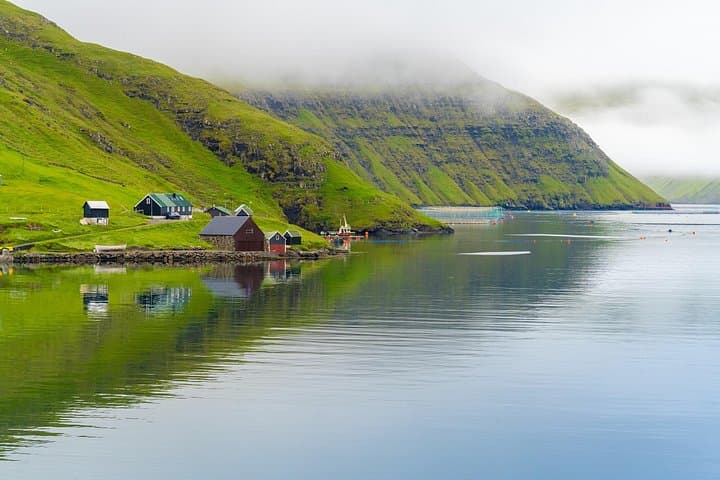
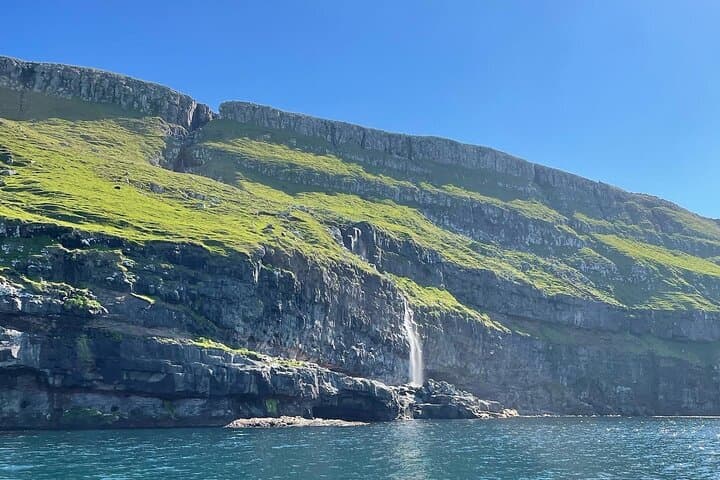
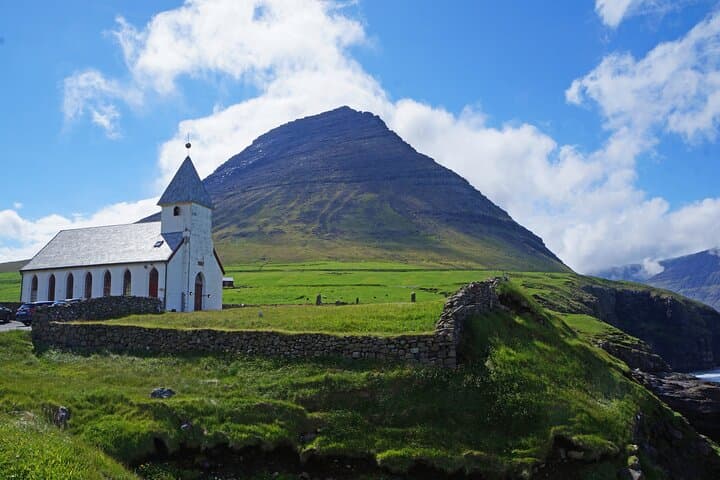
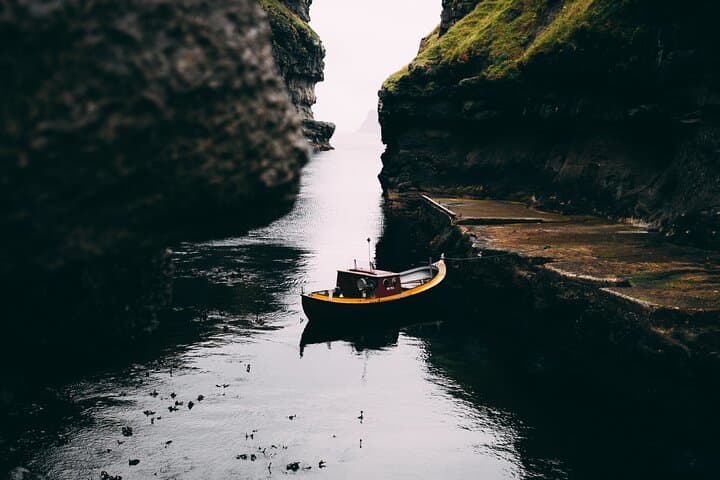
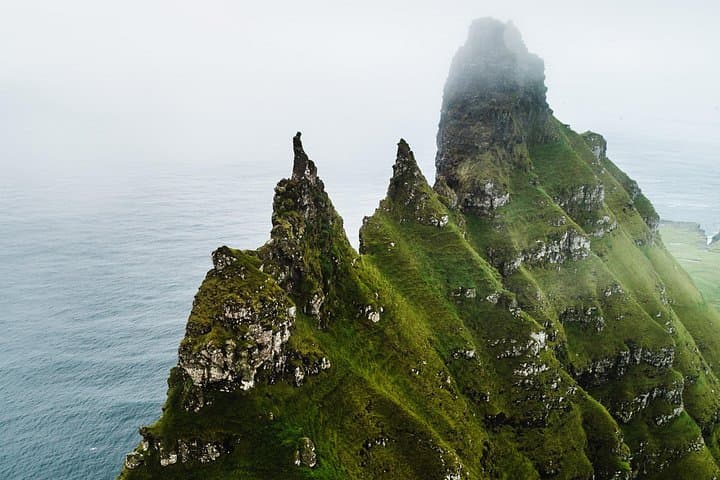
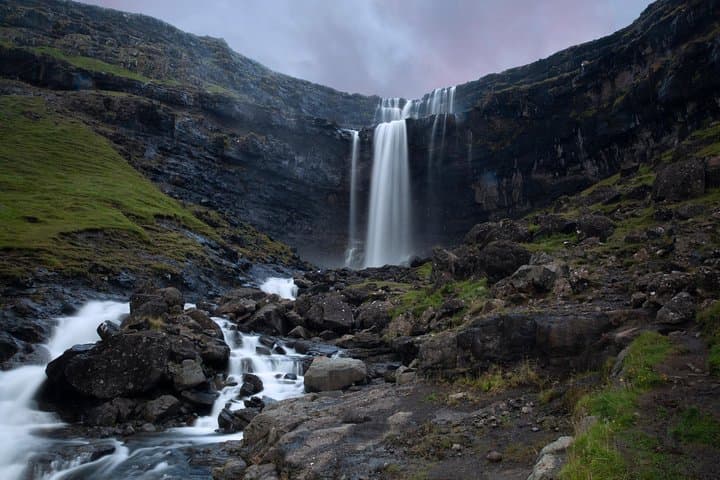
The Bird Protection Areas of the Faroe Islands encompass a series of designated coastal cliffs, sea stacks, and islets scattered throughout the North Atlantic archipelago between Iceland and Norway. These protected zones are vital nesting and breeding grounds for millions of seabirds, including globally significant populations of Atlantic puffins, northern fulmars, razorbills, and various guillemots. The unique geology of the islands, characterized by towering basalt cliffs and deep fjords, creates ideal cliffside nesting habitats away from terrestrial predators. Ecologically, the areas represent some of the most important bird habitats in the North Atlantic, contributing to global seabird conservation efforts. Established through Faroese environmental legislation, these protections restrict hunting and disruptive activities during breeding seasons to ensure population stability. Visitors to the Faroe Islands are drawn to these bird protection areas not only for avian observation but also for the dramatic coastal landscapes and cultural experiences in nearby villages. Popular viewing spots include Vestmanna Bird Cliffs and the remote islets of Mykines, which are frequented by expert birdwatchers and photographers. While the islands lack extensive trail systems within the protection zones, boat tours and hiking routes to cliff edges provide awe-inspiring vantage points. The combination of rich marine biodiversity and dramatic natural scenery makes the Bird Protection Areas of the Faroe Islands a unique destination for eco-tourism and outdoor recreation.