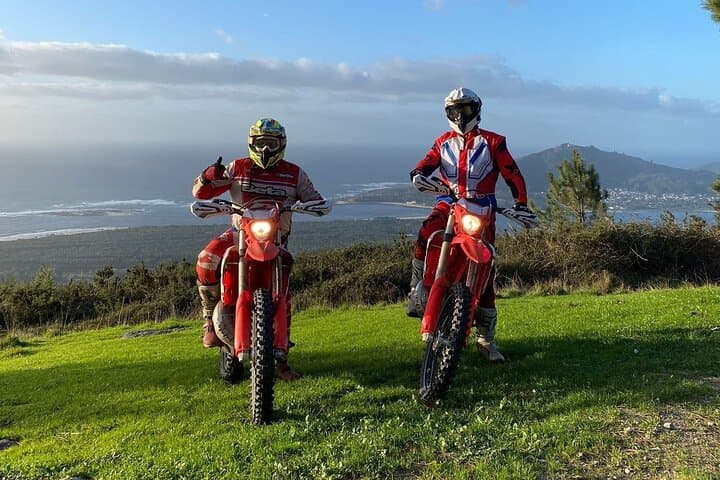
Wilderness Landscape & Natural Heritage
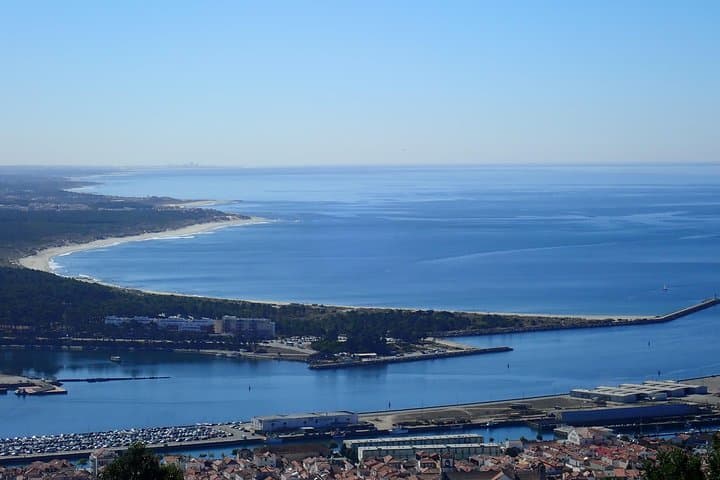
The Minho River Estuary Protected Area spans the lower reaches of the Minho River where it forms the natural border between Spain (Galicia) and Portugal (Norte). This estuarine zone is characterized by its complex system of tidal channels, salt marshes, mudflats, and coastal meadows, creating a dynamic habitat that supports a wide variety of plant and animal species. It is especially important as a stopover and breeding site for migratory birds, including species such as shelducks, avocets, and curlews, making it one of the most significant bird conservation areas in the Iberian Peninsula. Historically, the estuary has been a region of local fishing and salt extraction traditions, and today it balances human presence with ecological preservation. Key recreational opportunities within the area include guided birdwatching tours, canoe and kayak excursions along the river’s channels, and nature walks on designated paths. The estuary’s diverse landscape also offers photographic opportunities and educational programs focusing on coastal ecology. The area is relatively accessible from nearby towns, providing a peaceful outdoor experience that highlights the interplay of freshwater and marine ecosystems. Visitors often explore the natural reserves on the Spanish and Portuguese sides, enjoying the tranquil environment and the sight of rich wildlife throughout the year.