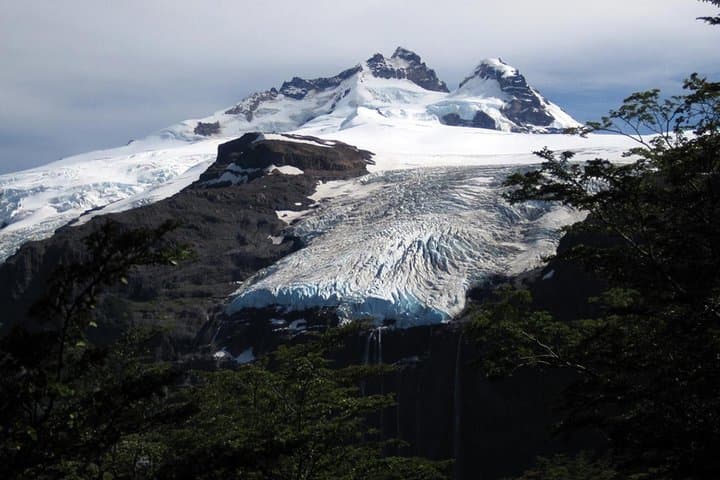
Wilderness Landscape & Natural Heritage
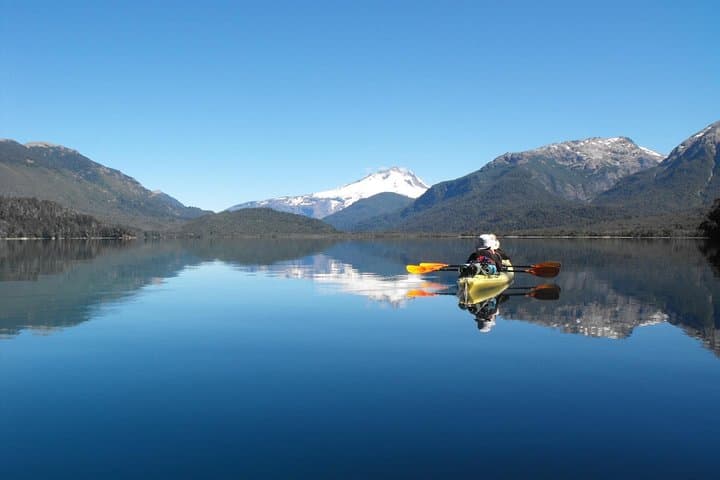
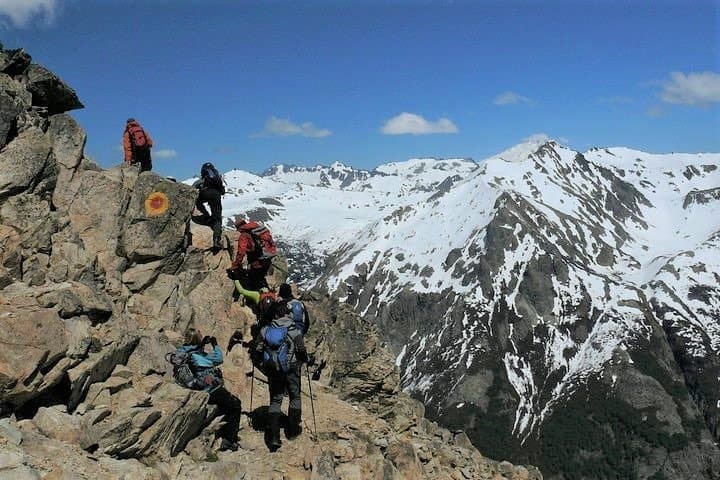
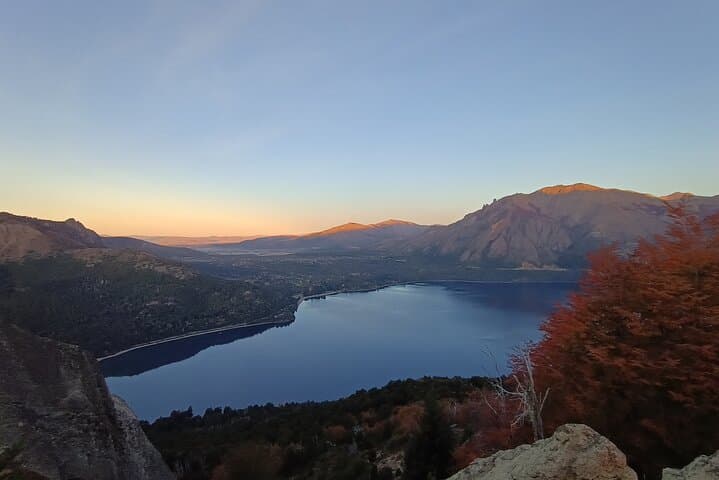
Laguna Negra Protected Area is located in the northern Patagonian Andes of Argentina’s Río Negro Province. This protected region centers around Laguna Negra, a deep, dark-hued glacial lake set among dense Andean forests and steep mountain slopes. The name "Laguna Negra" (Black Lagoon) derives from the lake’s unusually dark volcanic waters, which contrast strikingly with the surrounding lush vegetation and towering peaks. The landscape is shaped by volcanic activity, glaciers, and temperate rainforests typical of the Valdivian ecoregion, creating a biologically rich environment. The area is home to native flora such as coihue and lenga trees and fauna including pudú deer, Andean condors, and a variety of fish species, making it a valuable habitat for biodiversity conservation. Historically, the site holds cultural importance for indigenous Mapuche communities whose traditional territories overlap with the park boundaries. Recreation opportunities abound, with the area being favored for hiking, birdwatching, fishing, and kayaking on the serene lakes. Trails ranging from easy loops around the lake to more challenging mountain ascents provide visitors with panoramic views and intimate wildlife experiences. The protected status aims to conserve the fragile ecosystems and watersheds in this volcanic Andean environment while promoting sustainable tourism. Visitors are drawn to the area’s rugged beauty, tranquil waters, and relatively low visitor numbers compared to major nearby parks. As a lesser-known jewel of northern Patagonia, Laguna Negra Protected Area offers a pristine wilderness experience that highlights Argentina’s natural and cultural heritage.