Wilderness Landscape & Natural Heritage
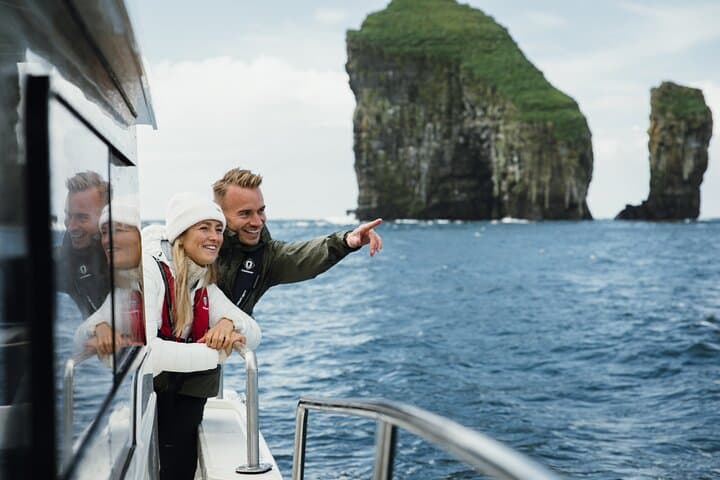
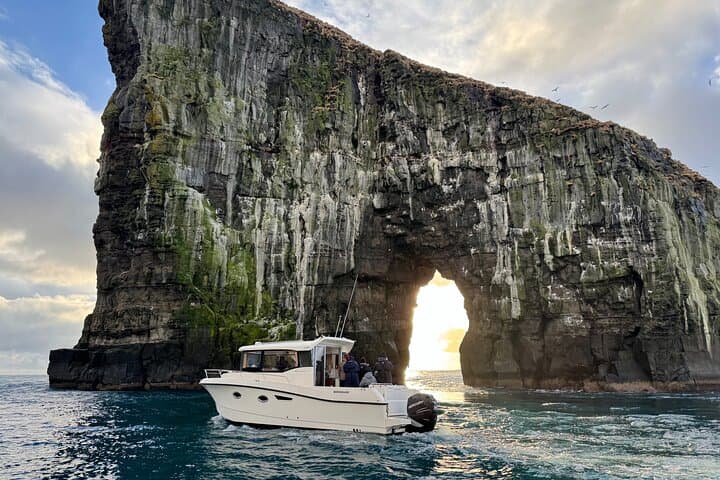
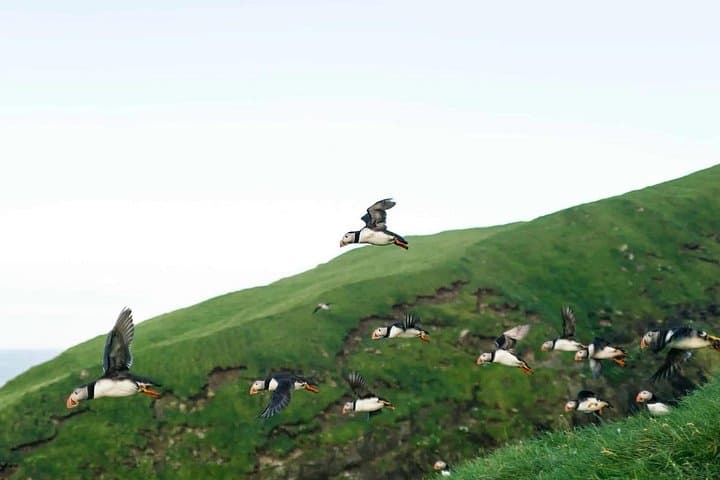
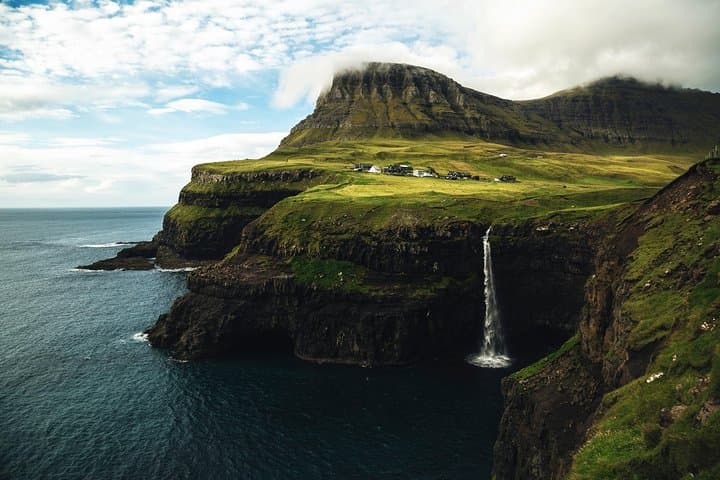
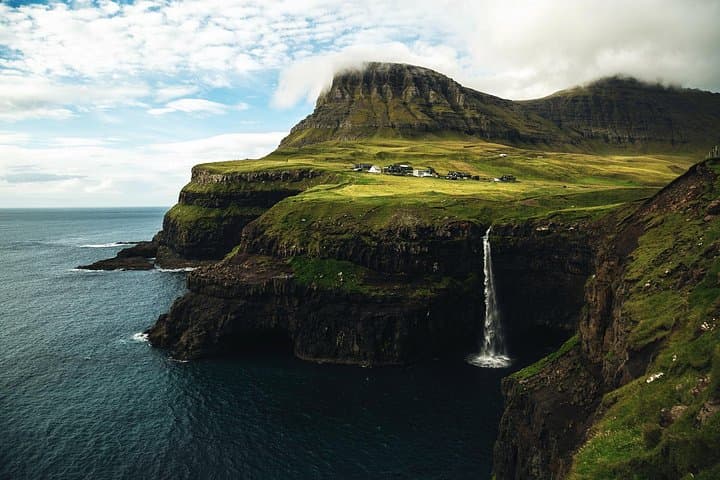
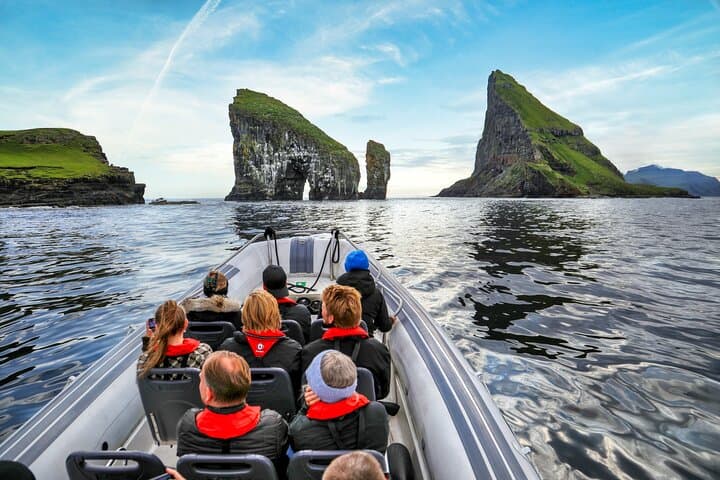
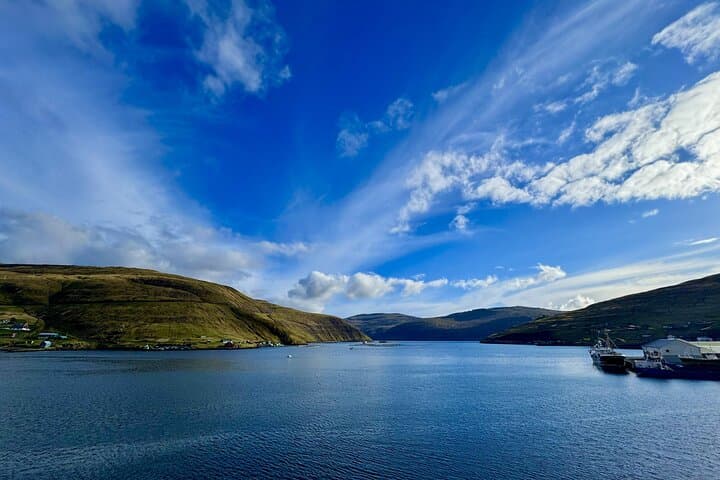
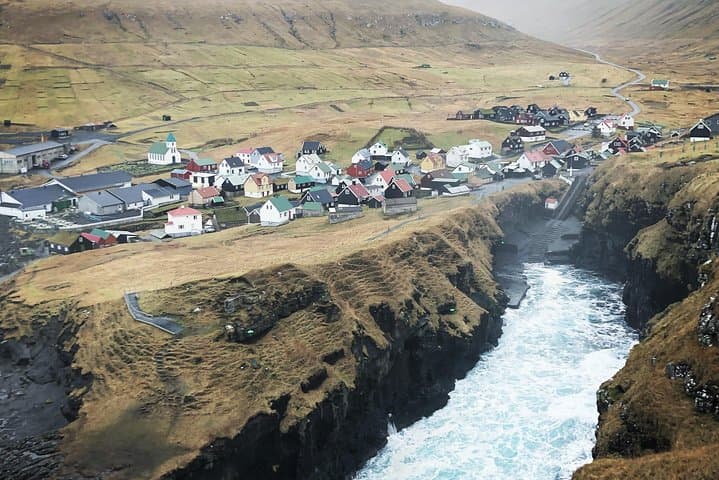
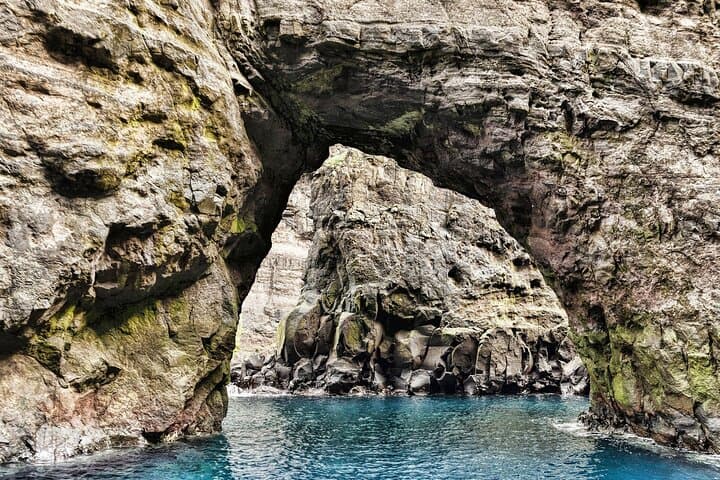
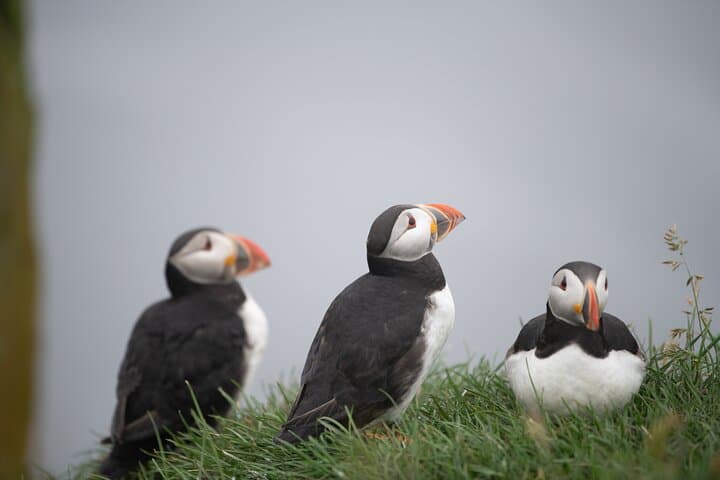
Sørvágur Nature Reserve is located on the western coast of Vágar, one of the main islands in the Faroe Islands archipelago. This reserve protects a diverse ecosystem characterized by dramatic cliffs, open moorlands, and sheltered bays. The reserve is especially significant for its seabird colonies, including puffins, guillemots, and kittiwakes, making it a prime birdwatching destination. The landscape includes steep rocky shores contrasting with gentle grassy slopes that support diverse plant life adapted to the harsh Atlantic climate. Historically, Sørvágur village nearby has been a fishing community for centuries, and the natural reserve offers a glimpse into the Faroe Islands’ relationship with nature and the sea. Visitors come for its peaceful hiking trails offering stunning views of the North Atlantic Ocean and the surrounding islets. The preserve remains largely untouched by development, emphasizing conservation and low-impact recreation. Sørvágur Nature Reserve provides an excellent base for both casual walkers and avid nature enthusiasts who wish to explore the unique North Atlantic environment while observing rare wildlife in a serene setting.