Wilderness Landscape & Natural Heritage
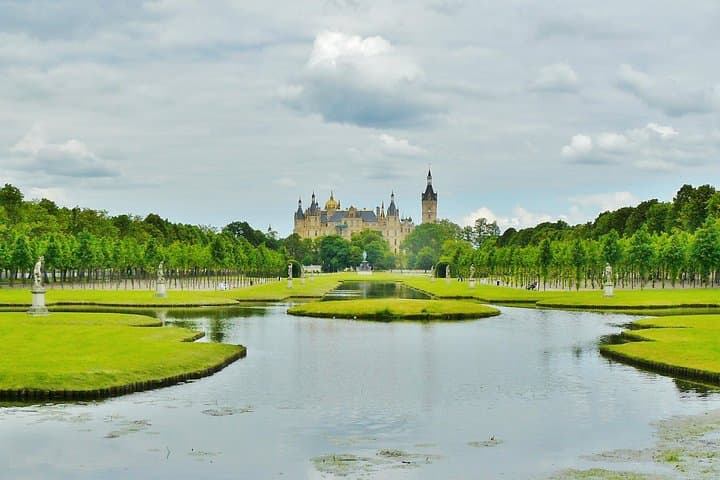
Lewitz Nature Reserve, located south of Schwerin in the Mecklenburg-Vorpommern region of Germany, is one of the country's largest protected wetland landscapes, covering an extensive floodplain area created by the Elde river and its tributaries. The reserve's geography mainly consists of meadows, marshlands, reed beds, dikes, and small bodies of standing water, historically shaped by centuries of human management through dike construction and drainage schemes. This mosaic of habitats supports rich biodiversity including numerous species of waterfowl, wading birds, migratory birds, amphibians, and rare plants, making it a vital resting and breeding ground. Notably, the reserve is home to white storks, cranes, otters, and beavers. Lewitz also contains farmland and grazing meadows used in traditional, low-intensity agriculture, which helps maintain the open landscape. Visitors can enjoy a network of scenic trails and flat cycling routes, ideal for wildlife observation and photography. Bird hides are situated throughout the reserve for discreet wildlife viewing. The nearby historic village of Hagenow offers cultural insights, while the region's peacefulness appeals to nature lovers seeking quiet landscapes. Conservation efforts focus on preserving habitat diversity, managing water levels, and maintaining the delicate balance between agricultural use and natural processes. Lewitz Nature Reserve thus represents a prime example of sustainable coexistence between people and nature in a wetland ecosystem.