Wilderness Landscape & Natural Heritage
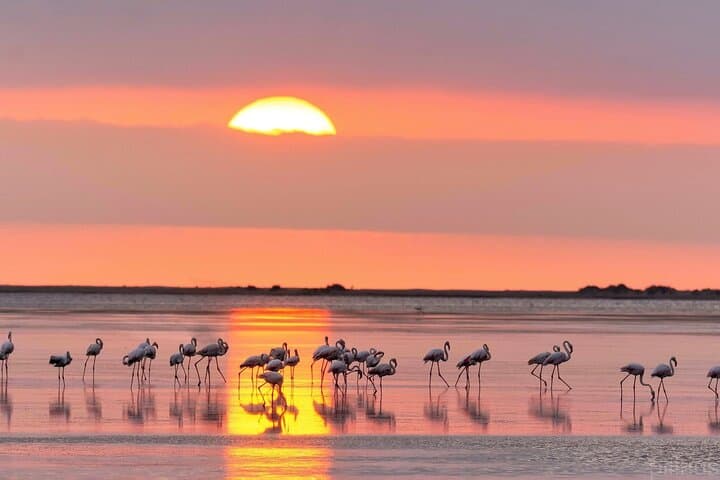
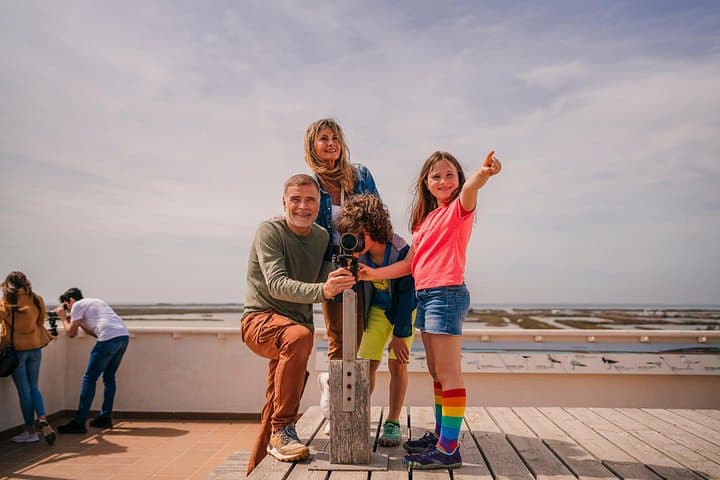
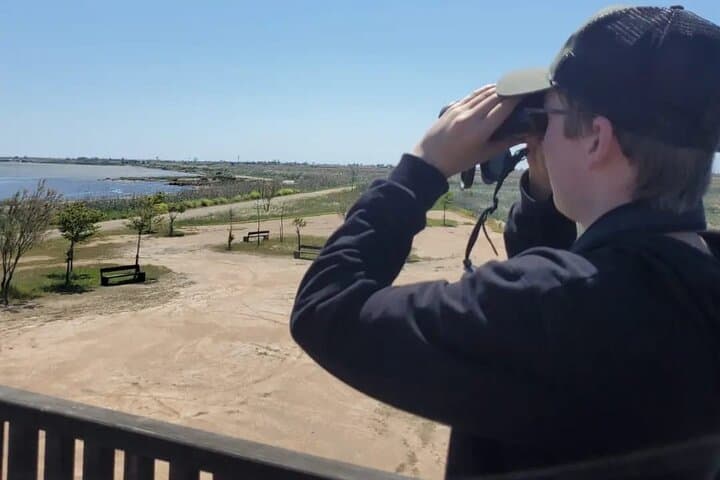
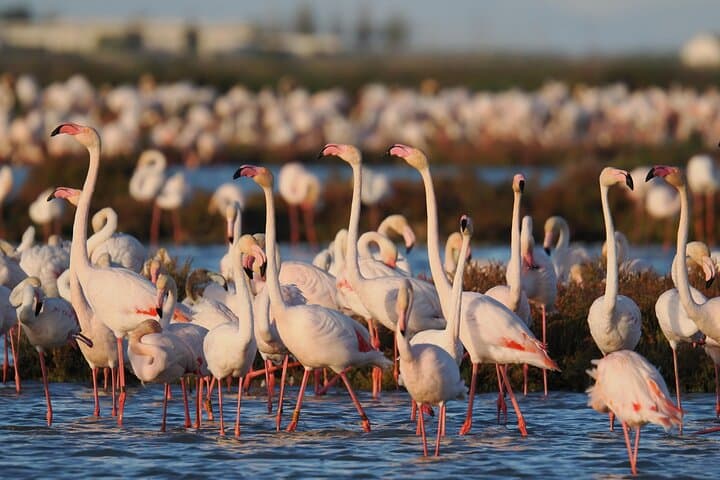
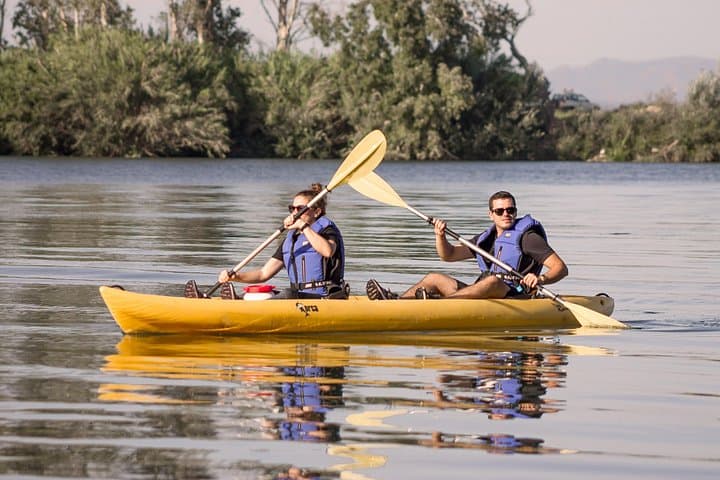
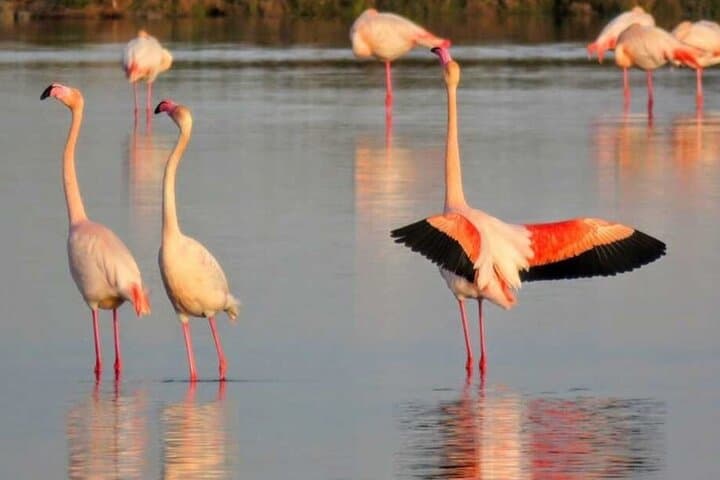
Ebro Delta Natural Park, located in the northeastern part of Spain within the autonomous community of Catalonia, covers the expansive delta formed by one of the longest rivers in the Iberian Peninsula—the Ebro River. This protected natural area spans nearly 320 square kilometers and is characterized by its wetlands, sand dunes, salt flats, and rice paddies. Established in 1983, the park plays a crucial ecological role as a habitat for hundreds of species of birds, including flamingos, herons, and spoonbills, making it one of the most important bird migration stopovers in Europe. The park's flat terrain supports not only wildlife but also agricultural activities, particularly intensive rice cultivation. The Ebro Delta's coastline stretches for nearly 30 kilometers along the Mediterranean Sea, featuring sandy beaches and lagoons that attract nature lovers and water sport enthusiasts alike. Key landmarks include the Fangar Delta, the Fangar Island, and the rice fields that demonstrate traditional agriculture methods harmonized with natural conservation. Visitors to the park enjoy birdwatching, kayaking, cycling through well-maintained trails, and scenic drives along the coastline. The area’s low elevation and mild Mediterranean climate make it accessible year-round, although spring and autumn offer the best opportunities to witness migrating birds and blooming flora. The park also supports important cultural heritage sites such as small fishing villages and lighthouses that provide context to the human history intertwined with natural preservation efforts. Overall, Ebro Delta Natural Park offers a singular blend of wildlife, water-based recreation, and agricultural landscapes that cater to a wide range of outdoor interests and ecological study.