Wilderness Landscape & Natural Heritage
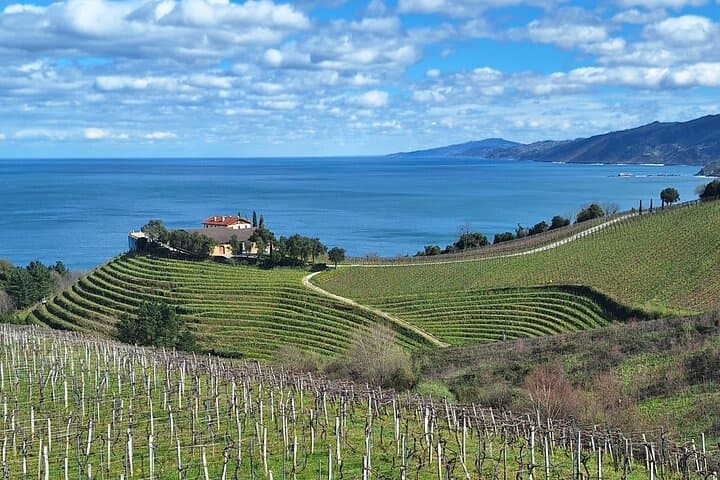
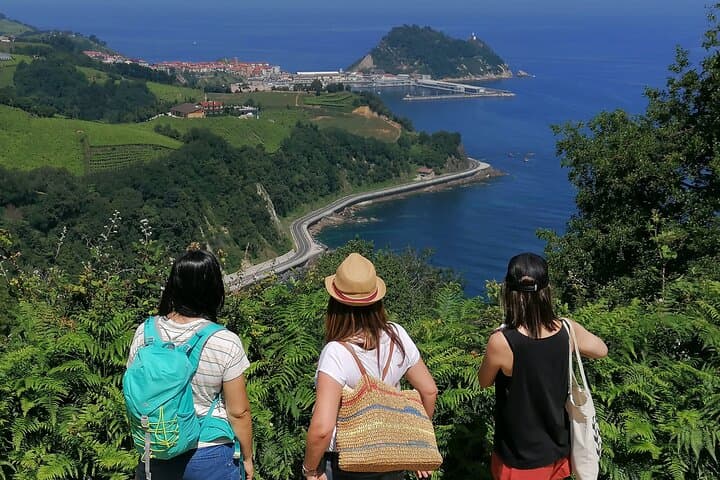
Located in the picturesque Basque coast of northern Spain near the town of Zumaia, the Zumaia Flysch Geological Park is a natural treasure famous for its extraordinary flysch rock formations. These sedimentary layers, exposed in cliffs that stretch along the coastline, document millions of years of Earth's geological and evolutionary history, including the Cretaceous-Paleogene boundary marked by a significant extinction event. The rugged coastal landscape is shaped by the Cantabrian Sea and features towering cliffs sculpted by natural forces, creating a geological archive visible at the surface.
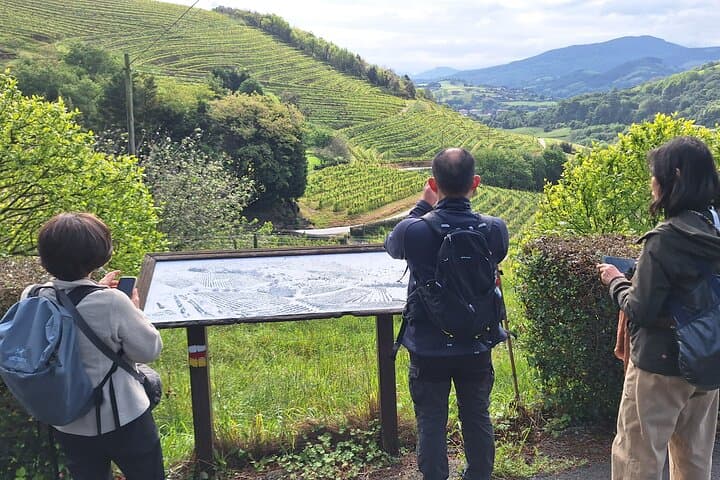
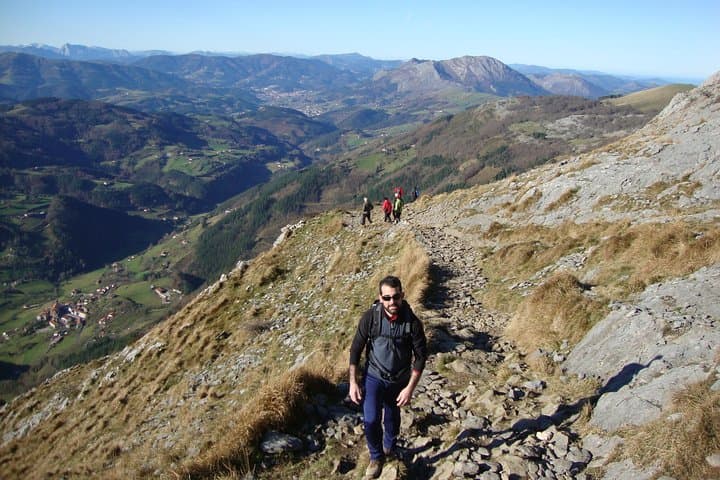
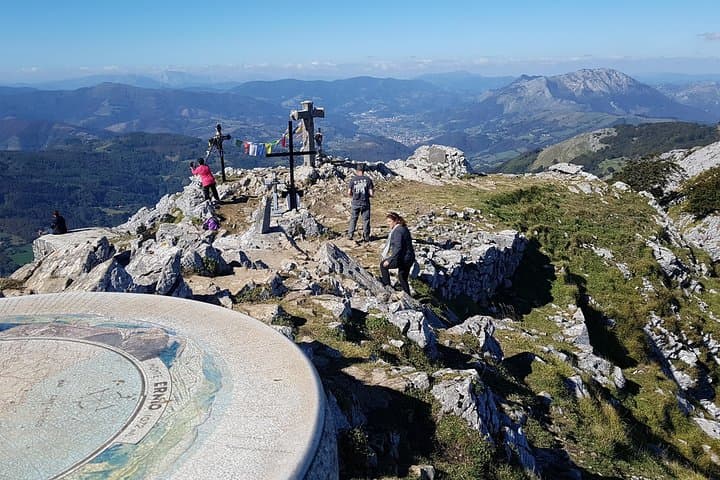
The park covers a relatively small, linear area but offers rich ecological diversity including coastal flora and seabird habitats. It is part of the Basque Coast UNESCO Global Geopark and attracts geologists, paleontologists, hikers, and nature lovers alike. The hiking trails, such as the iconic Flysch Route, wind along the cliffs and beaches, offering breathtaking views of the layered rock formations and access to fossils embedded within the layers, some emblematic of the ancient marine environment.
Visitors can learn about the area's geological significance at the adjacent Interpretive Centers and enjoy other outdoor pursuits such as birdwatching and coastal beachcombing. The park’s proximity to the charming town of Zumaia provides easy access to local Basque culture, cuisine, and accommodations. Zumaia Flysch Geological Park is globally celebrated for its authentic geological heritage and stands as an exceptional destination for both scientific study and scenic outdoor recreation.