Wilderness Landscape & Natural Heritage
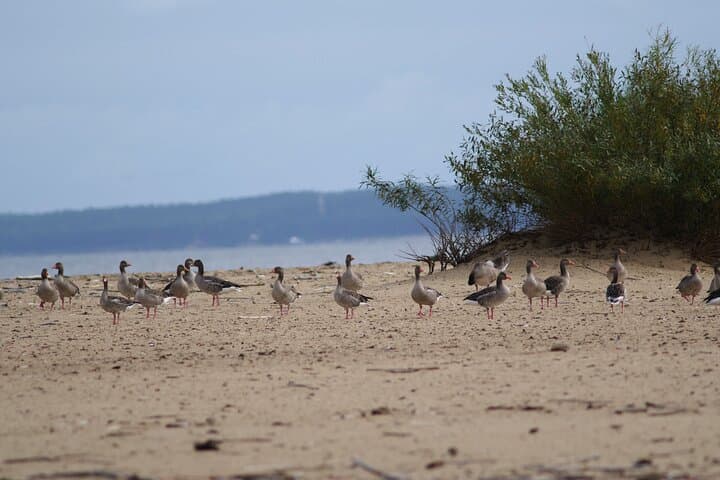
Żuławy Wiślane Landscape Park is situated in the Żuławy region along the lower basin of the Vistula River in the Pomorskie Voivodeship of Poland. Established in 1985, the park covers a stretch of the alluvial lowlands characterized by flat, fertile lands shaped extensively by human activity over centuries, particularly Dutch settlers called the Olędrzy, who developed an intricate network of canals and flood control dikes. The park encompasses a mosaic of reclaimed wetlands, meadows, ponds, and waterways, providing critical habitat for diverse bird species and aquatic life. Its ecological value lies in preserving wetland ecosystems that serve as key breeding grounds for waterfowl and migratory birds, making it a popular destination for birdwatching and nature study. Historically, the park reflects a rich cultural heritage with numerous traditional villages, windmills, and distinctive Polish-Dutch wooden architecture. Visitors can explore this heritage via cycling routes and boat trips along the canals. Recreational opportunities prominently feature cycling on paved rural roads and unpaved alleys, fishing in controlled water bodies, and walking trails that offer close encounters with nature and local history. The flat terrain makes it accessible to all ages and skill levels, encouraging leisurely, immersive landscape experiences. Notable landmarks include the historic towns of Nowy Dwór Gdański and Żuławy villages, as well as preserved pumping stations and windmills which are symbols of local hydraulic engineering. The park’s appeal lies in its tranquil, pastoral ambiance, blend of natural and cultural landscapes, and its role as a living museum of human-environment interaction on the Vistula delta.