Wilderness Landscape & Natural Heritage
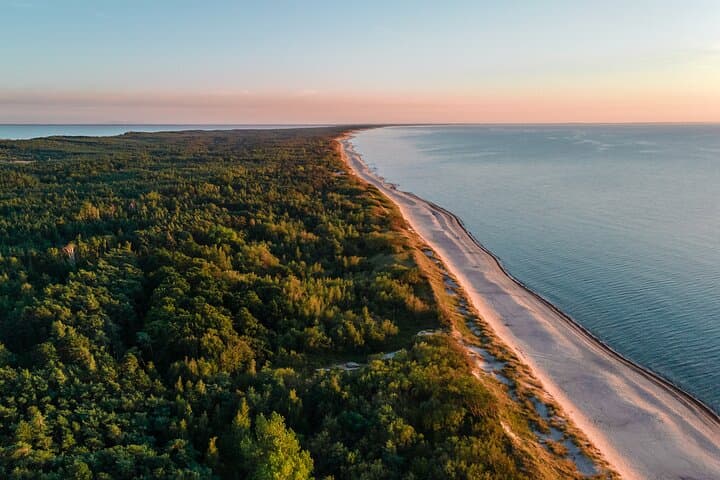
Žemaičių National Park, established in 1991, is situated in the Samogitia region of northwestern Lithuania. Covering an expanse of rolling hills, numerous lakes, vast pine and mixed forests, and fertile agricultural fields, the park boasts a unique blend of natural diversity and cultural heritage. The park's geography is marked by glacial landforms including moraines, eskers, and kettle lakes, creating varied landscapes ideal for hiking, biking, and water-based recreation. The park protects valuable ecosystems, including rare wetland habitats and old-growth forests, which are home to a variety of wildlife such as elk, wild boar, foxes, and over 120 bird species including several raptors.
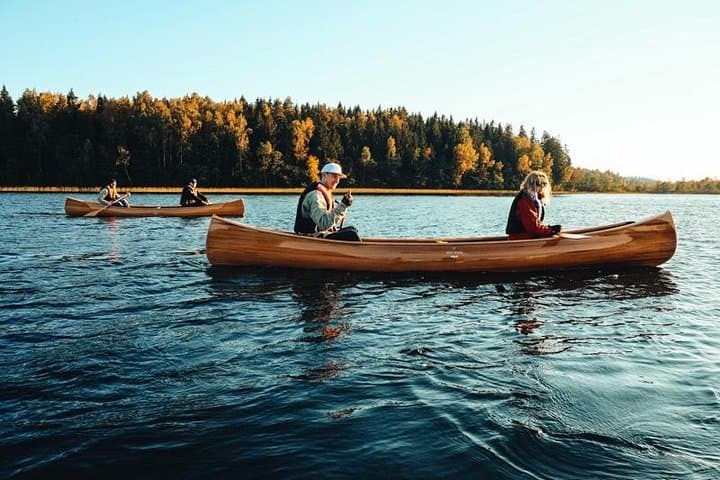
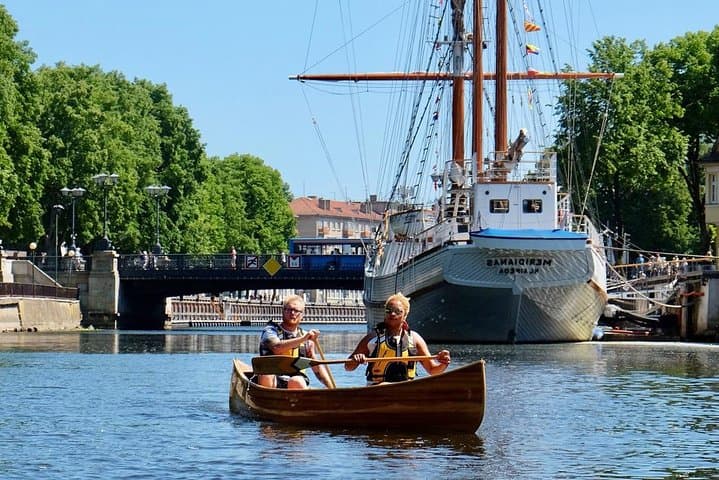
A highlight of the park is the village of Plateliai, adjacent to the largest lake in the park—Plateliai Lake—which offers boating, fishing, and scenic beaches. Plateliai village preserves Samogitian traditions with ethnographic museums and folk architecture. Hiking trails wind through the forest and lakeshores, while cycling is popular on well-maintained routes blending nature and culture. Historical landmarks include medieval castles ruins and old churches, reflecting the area's deep historical roots.
Visitors come to Žemaičių National Park not only for its natural beauty but also to experience authentic Lithuanian Samogitian culture and history set against a backdrop of striking landscapes. Seasonal activities range from kayaking and fishing in summer to cross-country skiing and winter hiking during colder months, making the park a year-round destination.