Wilderness Landscape & Natural Heritage
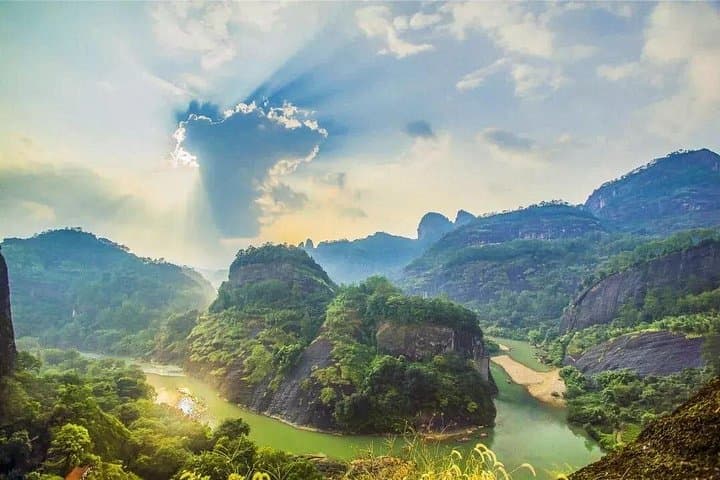
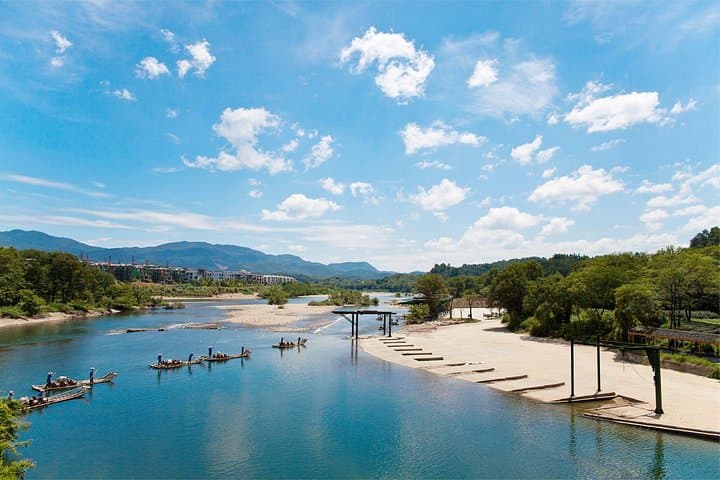
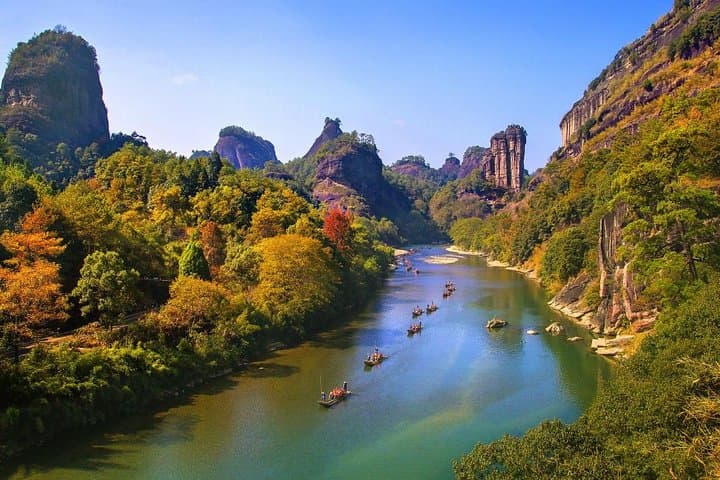
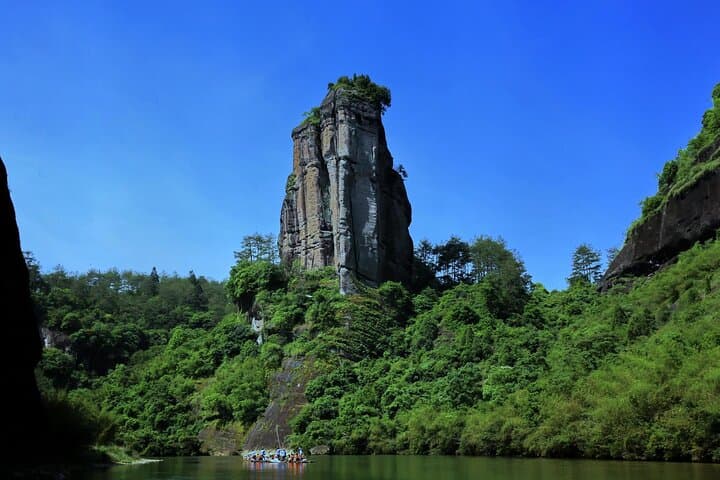
Wuyi Mountain National Nature Reserve is located in northern Fujian Province in southeastern China. Spanning roughly 60,000 hectares, the reserve features steep Wuyi peaks rising out of lush subtropical forests, winding rivers, caves, and terraces carved by centuries of human cultivation. The region is recognized for its geological formations, including Danxia landforms characterized by red sandstone cliffs and pillar-like rock outcrops. Ecologically, the reserve protects diverse subtropical forest ecosystems that harbor endangered species such as the Chinese giant salamander and clouded leopard, along with hundreds of plant species including rare Camellia and bamboo varieties. The area also has deep cultural roots, with archaeological sites showing over 4,000 years of human activity, including Taoist temples, rock carvings, and traditional tea plantations famous for producing Da Hong Pao tea. Visitors engage in hiking multi-day trails along rivers like the Nine-Bend Stream, exploring ancient temples, bamboo rafting, birdwatching, and experiencing beautiful mountain vistas. The reserve's mix of natural beauty and cultural significance attracts researchers, outdoor enthusiasts, and cultural tourists alike. Its accessibility from nearby cities such as Wuyishan City makes it a well-frequented destination. Conservation efforts focus on balancing tourism with preserving fragile ecosystems and cultural landmarks. The region is also notable for its seasonal flower blooms and fall colors, providing compelling photography opportunities throughout the year.