Wilderness Landscape & Natural Heritage
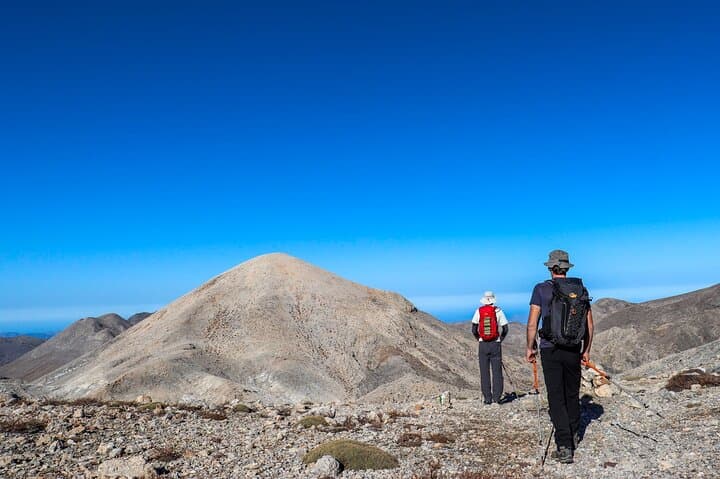
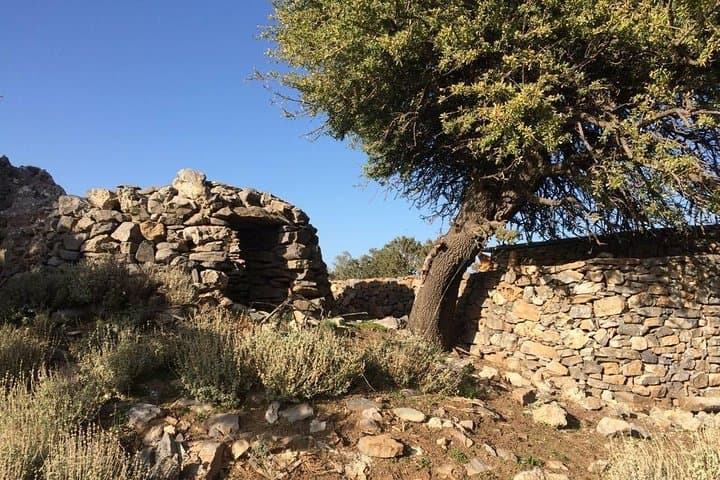
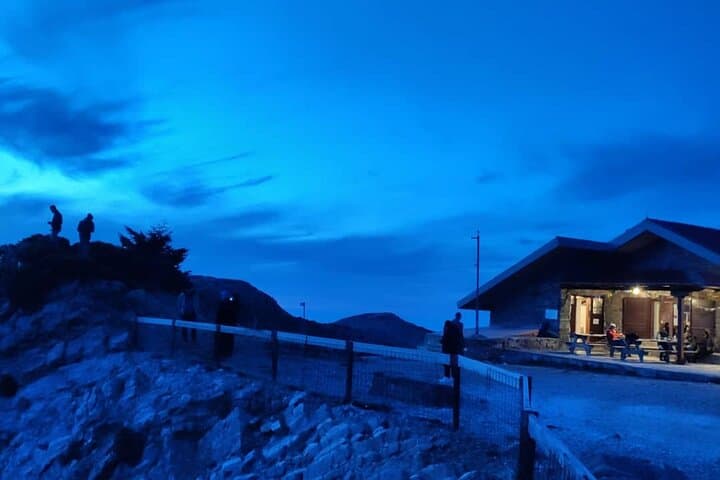
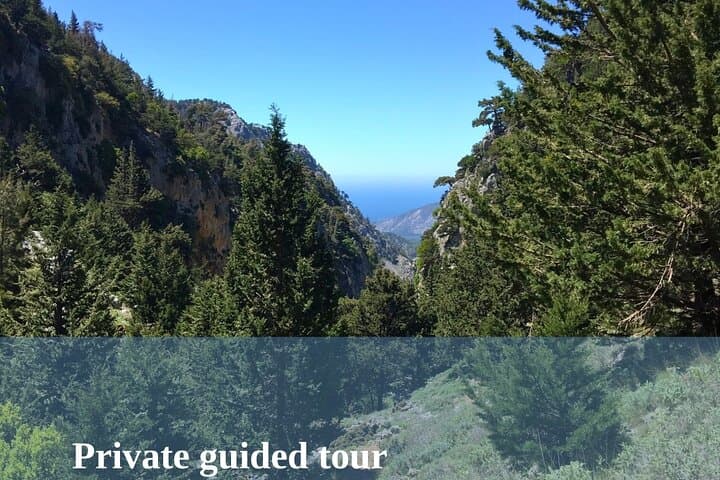
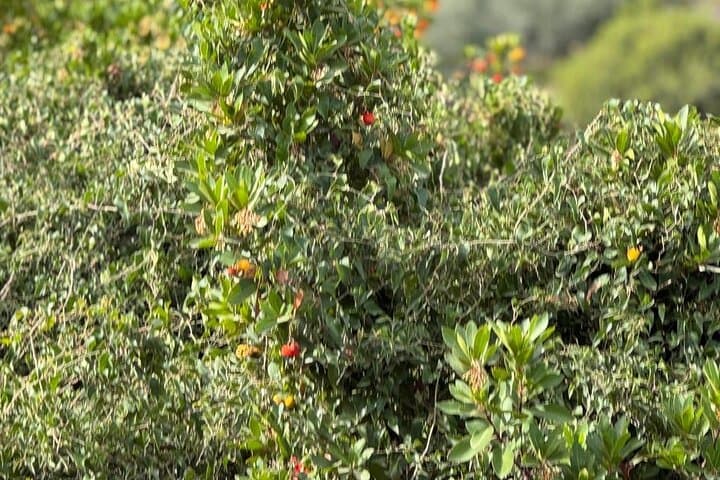
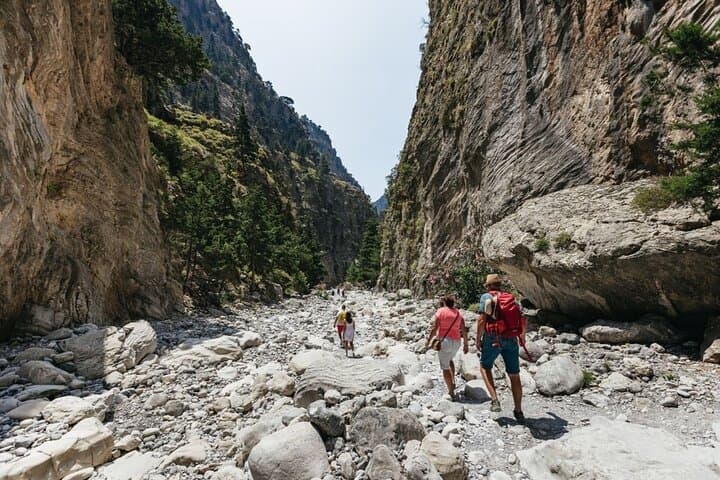
The White Mountains, or Lefka Ori, form a prominent mountain range on the western part of the island of Crete, Greece. Rising to a maximum height of 2,454 meters at Mount Pachnes, these mountains are the second highest on the island after Mount Ida. Known for their striking pale limestone cliffs, rugged karst terrain, and extensive cave systems, the White Mountains create a landscape of dramatic contrasts with deep gorges such as the Samariá Gorge drawing large numbers of visitors annually. Ecologically, the area supports diverse flora and fauna including endemic plants, wild goats (Kri-Kri), and various bird species. The region’s unique microclimates vary from alpine meadows to Mediterranean shrublands, providing habitats for rare and protected species. Historically, the mountains have been home to isolated villages with rich cultural traditions dating back to ancient times and are linked to the Minoan civilization with nearby archaeological sites. Outdoor recreation is the main attraction with extensive hiking and climbing opportunities—from challenging multi-day treks through canyons to strenuous ascents of high peaks. The protected area also encourages wildlife viewing, photography, and environmental education. Visitors are drawn by the combination of natural beauty, geological interest, traditional mountain villages, and outdoor adventure. Access to the protected area is facilitated through several entry points, and well-maintained trails connect different parts, including paths through the famous gorges. The White Mountains represent a vital natural heritage area for Crete with ongoing efforts focused on conservation and sustainable tourism.