Wilderness Landscape & Natural Heritage
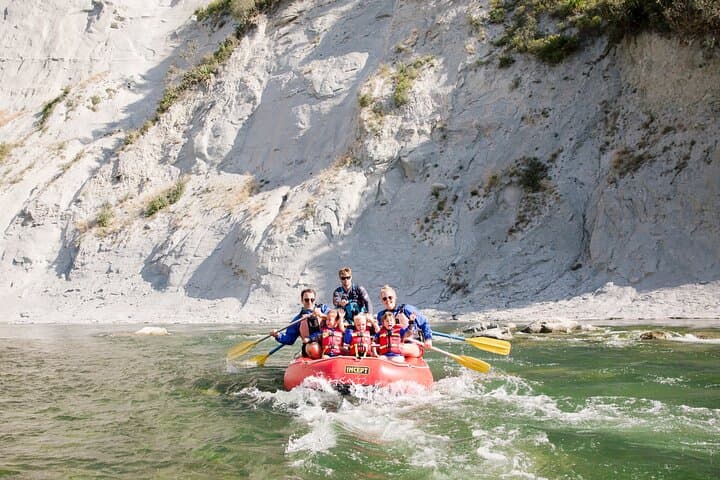
The Whanganui River Scenic Reserve extends along the banks of the Whanganui River on New Zealand’s North Island, protecting the diverse native forests and steep valleys that border the country’s third-longest river. The Whanganui River is renowned both as a natural wonder and as an area of great cultural significance to the Māori, who regard the river as a living ancestor. The reserve contains ancient forests dominated by native beech, rimu, and kahikatea trees, alongside rare native birds like the blue duck (whio) and North Island robin. The river itself is a prime feature for recreational activities, including multi-day kayak and canoe trips that trace its historic flow from the volcanic slopes of Mount Ruapehu to the Tasman Sea. Several notable landmarks lie within or adjacent to the reserve, such as the Bridge to Nowhere—a historic concrete arch bridge accessible only via walking or jet boat. Hiking enthusiasts can explore several tracks that wind along the river and through native bush. The area draws visitors interested in immersive eco-adventures and learning about Māori heritage. Modern conservation efforts are in place to protect both the forest ecosystems and the quality of the river, which was granted legal personhood status in 2017, recognizing it as an indivisible whole. This unique protection helps maintain the reserve’s pristine environment, cultural importance, and appeal for outdoor lovers who seek tranquility, wildlife, and river-based adventures.