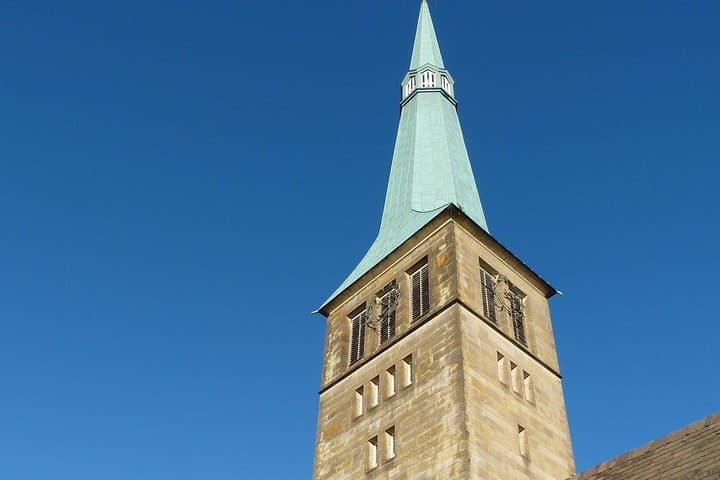
Wilderness Landscape & Natural Heritage
The Weser Hills Protected Landscape (Weserbergland) spans areas in the German states of North Rhine-Westphalia and Lower Saxony, forming part of the Weserbergland upland range. This region is renowned for its rolling limestone hills, dense deciduous and mixed forests, and meandering rivers including the Weser, which defines much of the area's character. The landscape is dotted with medieval castles, half-timbered villages, and historic towns that reflect the cultural heritage blending with natural beauty. Ecologically, the region supports diverse flora such as beech, oak, and spruce, and fauna including deer, wild boar, and a variety of bird species. The region's karst topography results in numerous caves and springs, adding geological interest. Recreation in the Weser Hills includes hiking on well-marked trails like the Weserberglandweg, mountain biking, fishing in the river and streams, and canoeing or paddle sports on the Weser River. Notable landmarks include the wooden Externsteine rock formations nearby, the ruins of the Schaumburg Castle, and panoramic vantage points like the Köterberg hill, offering sweeping views of the hills and forests. The area appeals to both outdoor enthusiasts and cultural tourists seeking a blend of nature, history, and active recreation in a tranquil setting. The landscape protection status aims to maintain the area's ecological integrity while supporting sustainable tourism and traditional land uses such as forestry and agriculture.