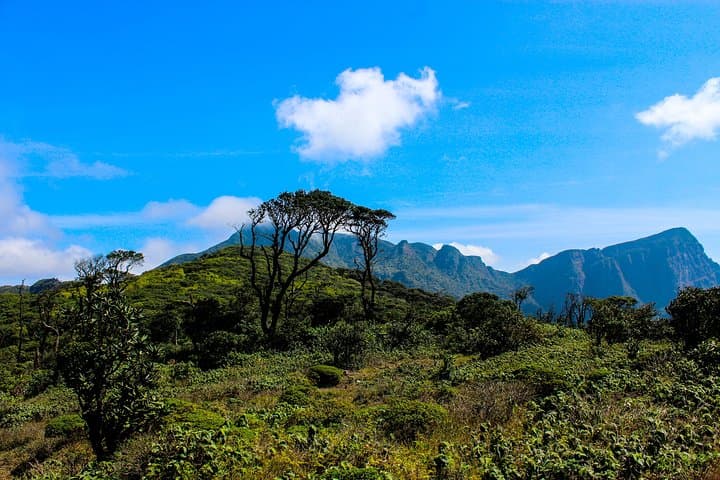
Wilderness Landscape & Natural Heritage
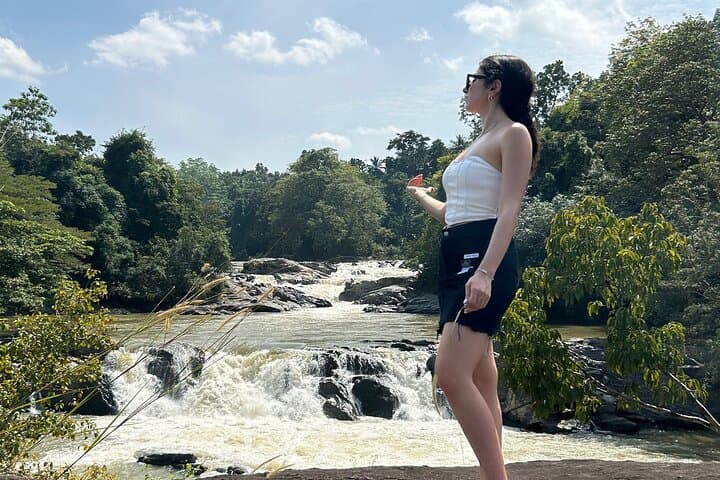
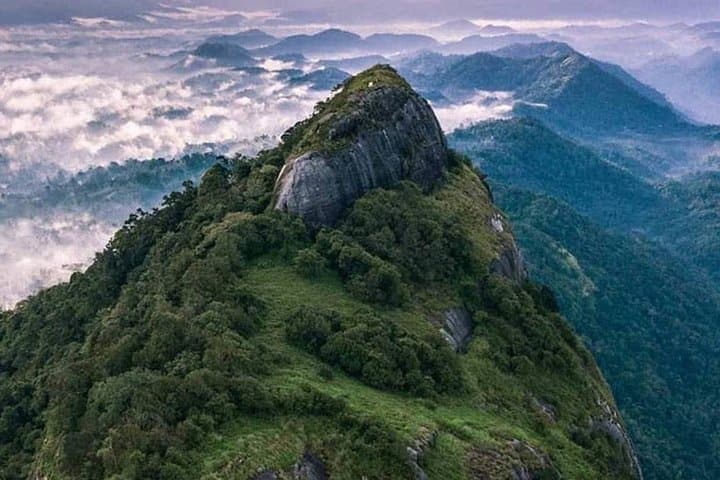
Wasgomuwa National Park is situated in the Central Province of Sri Lanka, encompassing an area of dry-zone forest interspersed with open grasslands, scrub, and seasonal water bodies. Established in 1984, the park lies near the Knuckles Mountain Range and forms part of the broader Wasgomuwa-Knuckles forest complex. It is renowned for hosting one of the island’s largest populations of Sri Lankan elephants and leopards, along with a rich array of endemic flora and fauna. The varied habitats within Wasgomuwa support species such as sloth bears, sambars, barking deer, as well as numerous bird species, making it a prime destination for wildlife enthusiasts and bird watchers. The park’s geography includes gentle hills, dry riverbeds, and isolated rock outcrops, contributing to its scenic diversity. Visitors can enjoy jeep safaris, guided nature walks, and photography excursions here, especially during the dry season when animals congregate near waterholes. Wasgomuwa also holds cultural significance due to the nearby historic sites and villages. Access is typically through the nearby towns, and the park’s remoteness provides a sense of wilderness adventure. Despite its natural richness, Wasgomuwa remains less visited than some other national parks in Sri Lanka, offering a tranquil, immersive experience in the island’s dry zone environment. Conservation efforts focus on protecting the habitat from encroachment and managing human-wildlife conflicts primarily involving elephants and local communities.