Wilderness Landscape & Natural Heritage
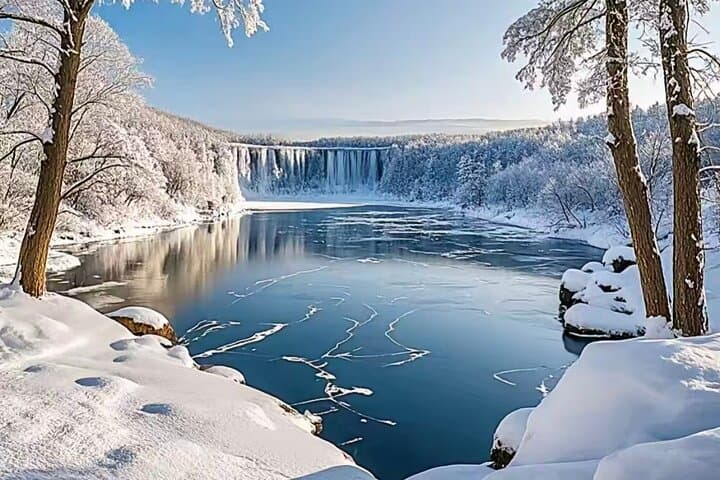
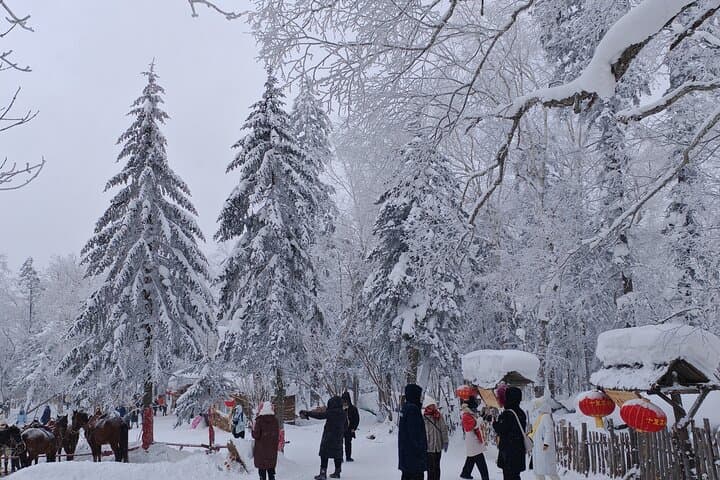
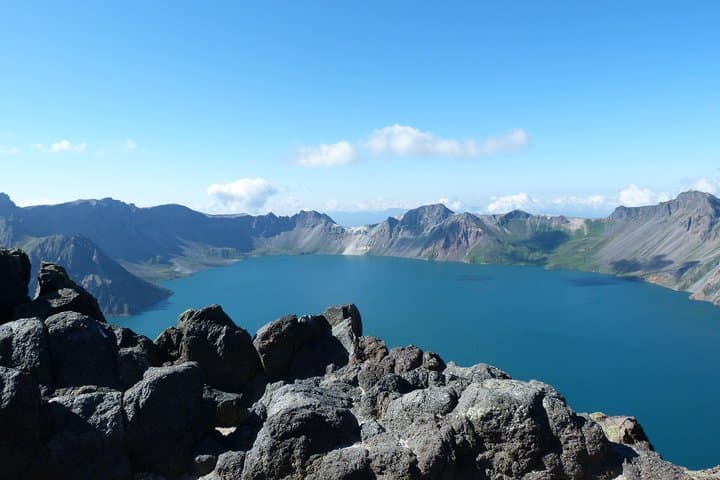
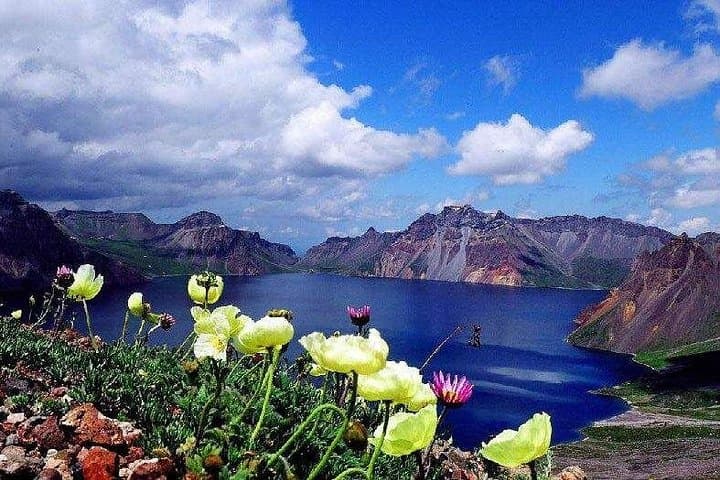
Located in Wangqing County of Jilin Province in northeastern China, Wangqing National Nature Reserve encompasses vast tracts of temperate mixed forests with a mosaic of coniferous and broad-leaf trees. The reserve is a critical habitat for a wealth of flora and fauna, including endangered species like the Siberian tiger, Amur leopard, and Asiatic black bear. It represents one of the last large contiguous forest ecosystems in this part of China and maintains a natural corridor for wildlife migration between China and the Russian Far East. Established to protect these vulnerable species and their habitat, the reserve's landscape is characterized by rolling hills, mountainous terrain, and numerous rivers and streams. Recreational opportunities primarily include guided wildlife viewing and scientific research expeditions, as public access is limited to low-impact, environmentally respectful activities. Notable for its rich biodiversity, the area supports endangered plant species and native Korean pine forests, which are a vital resource for the ecosystem's health. Wangqing Reserve also serves an important role in regional climate regulation and soil conservation. Visitors are drawn by its quiet wilderness and the chance—though rare—to glimpse iconic wildlife. The reserve's remoteness and protected status mean it remains largely pristine and unfettered by mass tourism. This makes Wangqing an essential site for conservation efforts and ecological study within China's protected area network.