Wilderness Landscape & Natural Heritage
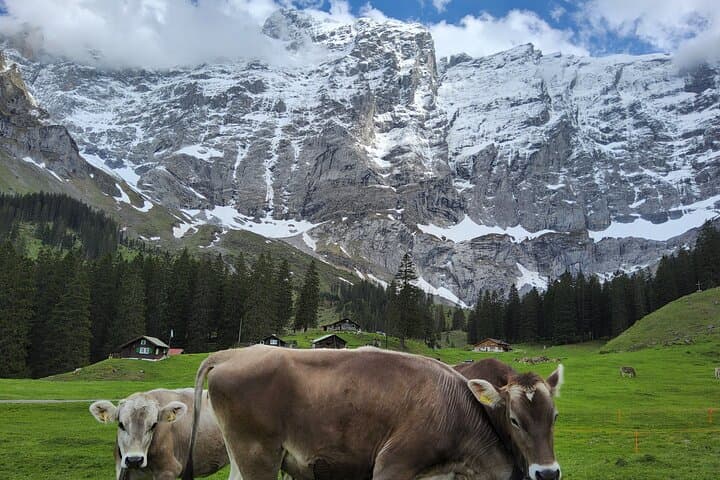
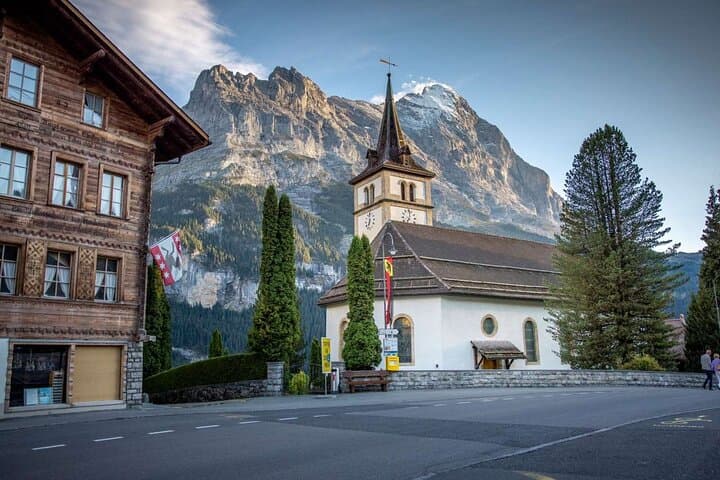
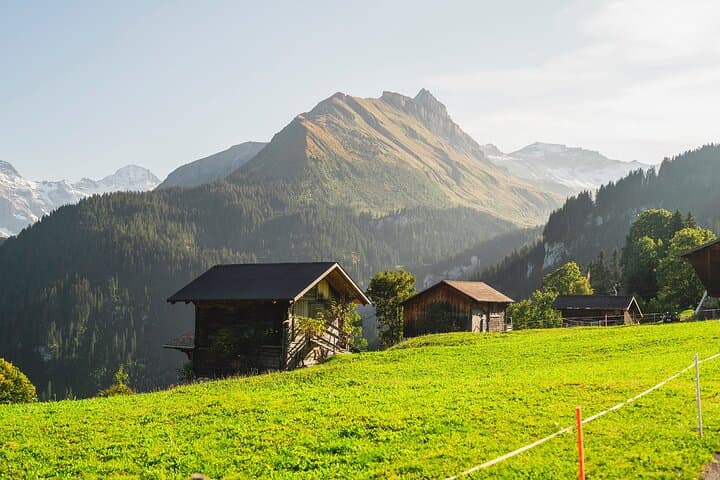
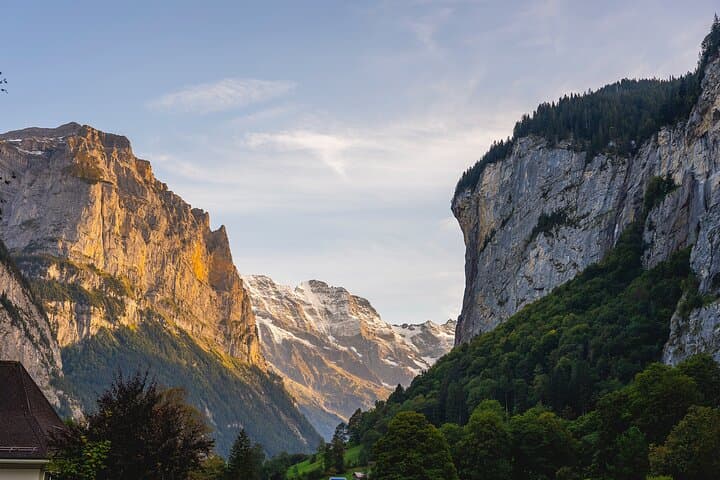
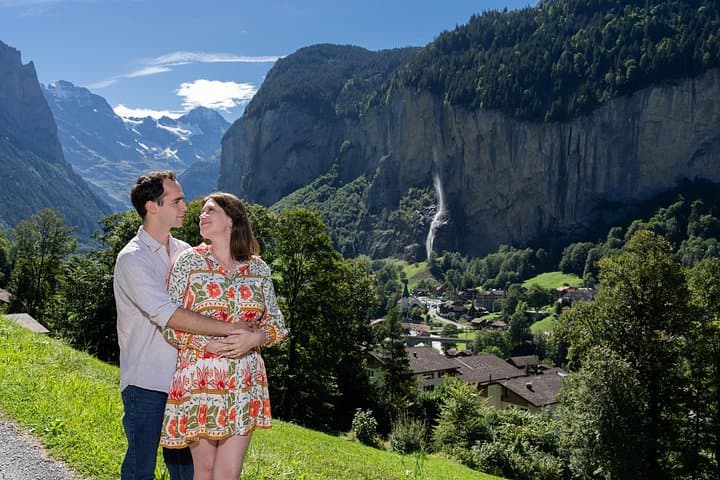
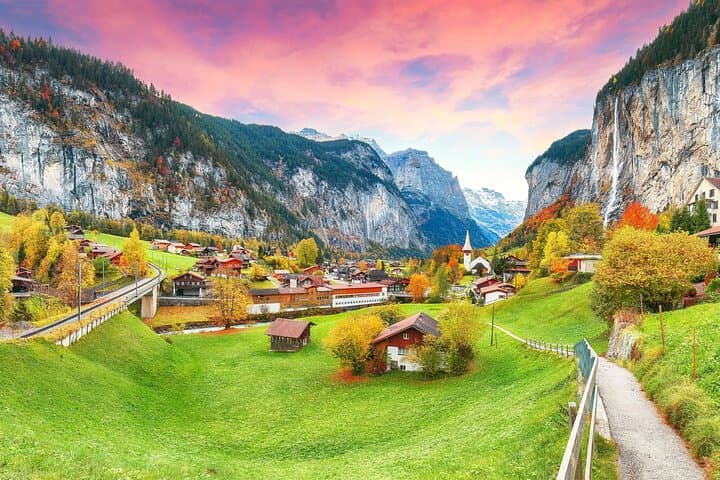
The Wallis Alps nature reserves encompass some of the most stunning and ecologically significant protected areas within the canton of Valais (Wallis), Switzerland. Characterized by high-altitude peaks, expansive glaciers, deep valleys, and alpine meadows, these reserves showcase the rich natural heritage of the central Alps. The region features iconic summits such as the Matterhorn, Weisshorn, and Dent Blanche, alongside extensive glacial systems like the Aletsch Glacier, which is the largest glacier in the Alps and a UNESCO World Heritage site. The nature reserves protect a wealth of alpine flora and fauna, including ibex, chamois, marmots, golden eagles, and rare alpine plants adapted to harsh climatic conditions. Historically, the Valais Alps have long been a destination for mountaineers and naturalists, with efforts to conserve these fragile environments dating back to the early 20th century. Outdoor enthusiasts are drawn to the reserves for hiking on marked trails that traverse diverse terrain, climbing to dramatic peaks, and enjoying winter sports like skiing and snowshoeing in protected areas with minimal development. The reserves are designed to balance preservation with sustainable recreation, featuring interpretive programs and visitor centers that educate about the region’s natural and cultural history. The scenery ranges from rugged rock faces to tranquil alpine lakes, offering visitors spectacular panoramic views and opportunities for wildlife photography. The reserves play a critical role in conserving the alpine ecosystems amid climate change, allowing vital corridors for species migration and preserving glacial environments. Visitors come for both adventure and tranquility, with facilities available for camping and eco-friendly tourism. Overall, the Wallis Alps nature reserves form a vital natural sanctuary in the heart of the European Alps.