Wilderness Landscape & Natural Heritage
Vulkanpark, also known as the Eifel Volcanic National Park, is situated at the heart of the Eifel region in western Germany, spanning parts of North Rhine-Westphalia and Rhineland-Palatinate. This park is renowned for its volcanic heritage, preserving numerous features including extinct volcanic craters, maars—water-filled volcanic craters—and extensive basalt lava flows that have shaped the local landscape. Covering an area roughly 85 square kilometers, Vulkanpark offers visitors a rare glimpse into the subterranean processes that sculpted the terrain over the past 700,000 years. The park is punctuated by notable landmarks such as the Laacher See, a volcanic lake formed by a massive eruption approximately 12,900 years ago, which remains a popular destination for hiking and nature observation.
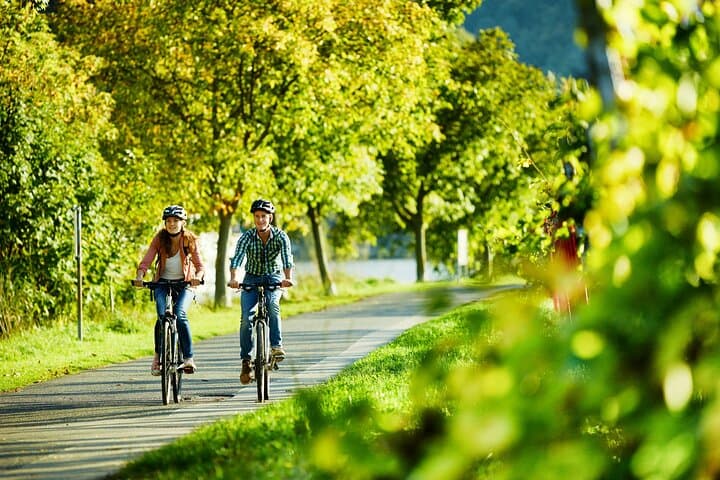
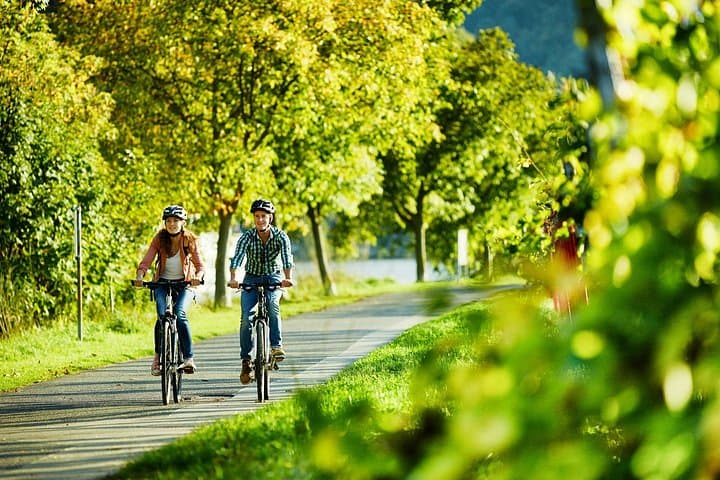
Ecologically, Vulkanpark supports diverse forest ecosystems, including beech and oak woodlands that provide habitat for a variety of wildlife species such as European wildcats, peregrine falcons, and rare amphibians. The geological formations and mineral-rich soils contribute to unique plant assemblages, boosting biodiversity in this protected area. Recreational opportunities abound, with extensive, well-marked trails for hiking, mountain biking, and nature study. Visitors often explore the Maar Museum in Manderscheid to learn about volcanic activity and regional geology, while educational trails like the Pulvermaar trail showcase volcanic phenomena in an accessible format.
Vulkanpark also embraces cultural heritage linked to the volcanic forces, including historic castles like Manderscheid Castles overlooking volcanic landscapes. Photography, bird watching, and seasonal guided tours are popular activities, drawing visitors keen to experience both the area's natural beauty and its compelling scientific significance. The park balances conservation and visitor engagement, facilitating outdoor adventure while preserving this extraordinary volcanic environment.