Wilderness Landscape & Natural Heritage
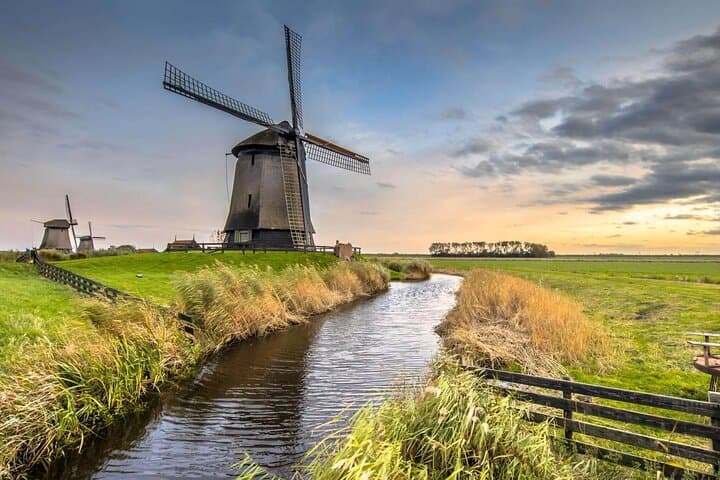
Verdronken Zwarte Polder Nature Reserve is situated in the southwestern province of Zuid-Holland in the Netherlands, encompassing a marshy polder area partially reclaimed and flooded over centuries. The reserve represents a striking example of Dutch interaction with the sea, where land loss due to flooding has created a rich brackish wetland ecosystem. This coastal reserve borders the North Sea and is characterized by a mosaic of salt marshes, tidal flats, reed beds, and shallow ponds, which support a diversity of bird species including migratory waders, waterfowl, and endangered shorebirds. The reserve’s name, which translates to 'Drowned Black Polder,' reflects its partially submerged nature following historic storm surges and land subsidence. Visitors to Verdronken Zwarte Polder can explore low-impact walking trails that traverse dikes and elevated paths, offering tranquil views of the marshes and extensive birdwatching opportunities. The reserve is a priority conservation area aiming to protect vulnerable habitats and indigenous flora and fauna. Interpretive signs provide educational context about the Dutch struggle against the sea and the importance of wetland conservation. While relatively remote and lesser-known compared to larger Dutch national parks, Verdronken Zwarte Polder appeals to naturalists, photographers, and birding enthusiasts looking for a serene and ecologically rich outdoor escape. Nearby coastal towns also offer access points to the reserve along quiet local roads and cycling paths, consistent with the region’s strong bicycle culture.