Wilderness Landscape & Natural Heritage
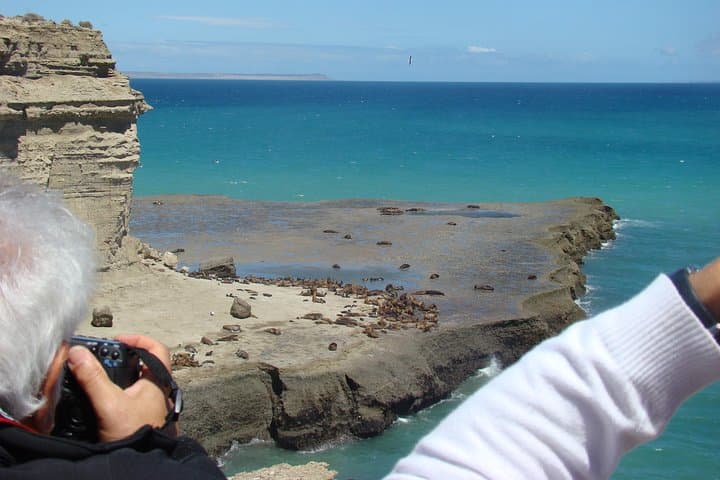
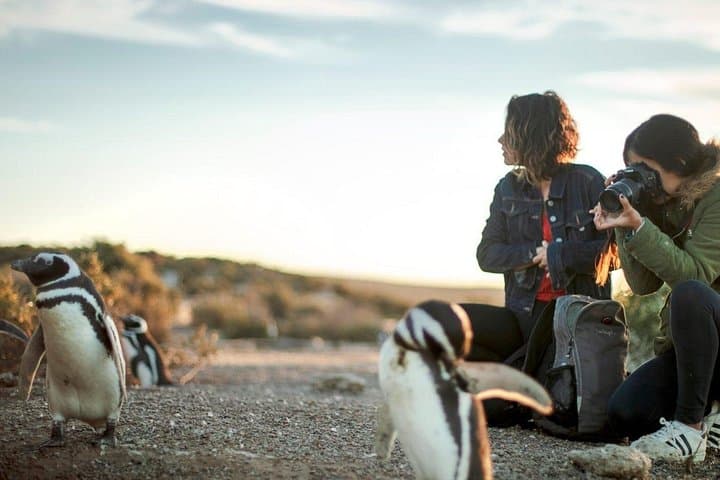
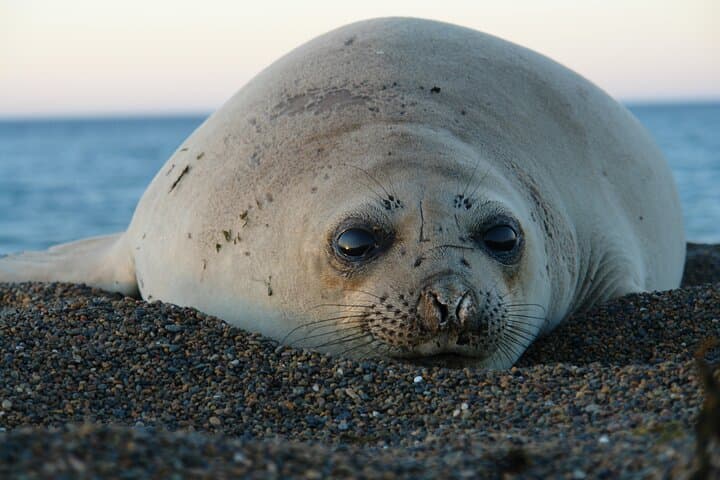
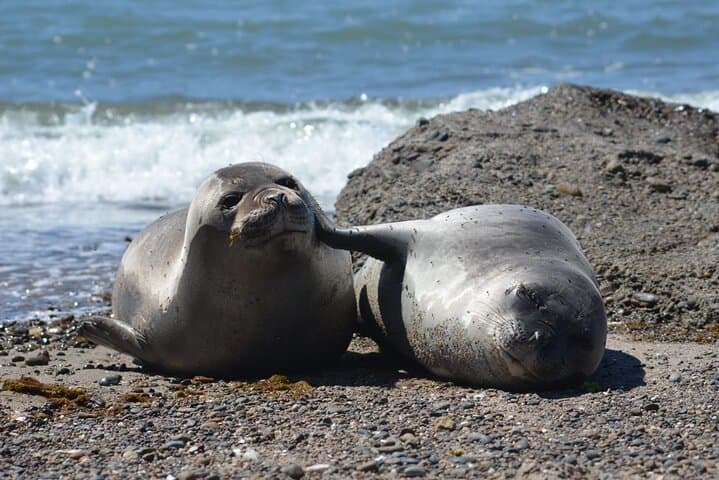
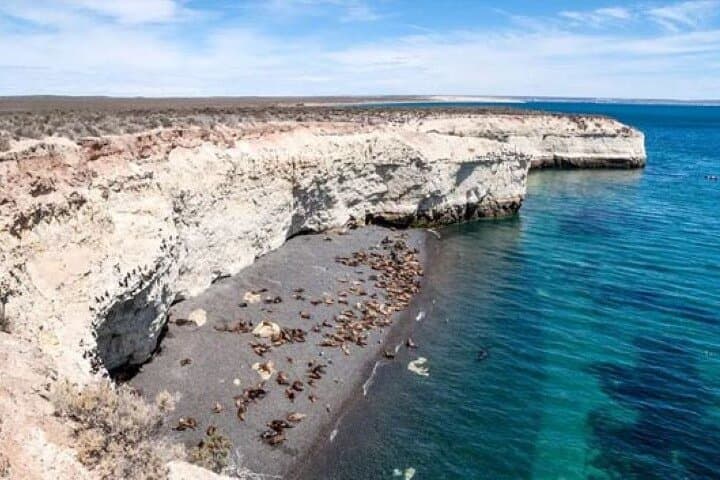
Valcheta Island Protected Area is situated in the Río Negro province of Patagonia, Argentina, encompassing a coastal island recognized for its ecological significance in the South Atlantic region. The island features a combination of coastal scrub, grasslands, and rocky shores, providing critical habitat for a variety of seabird colonies and marine mammals. It plays a vital role as a breeding and resting site for species such as cormorants, seagulls, and the endangered Magellanic penguin. Its geography includes rocky outcrops and small sandy beaches accessible only by boat, offering a tranquil setting for wildlife observation and scientific research.
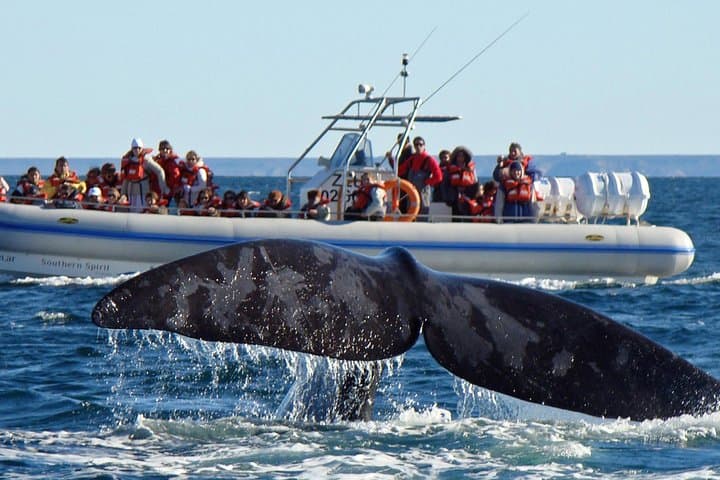
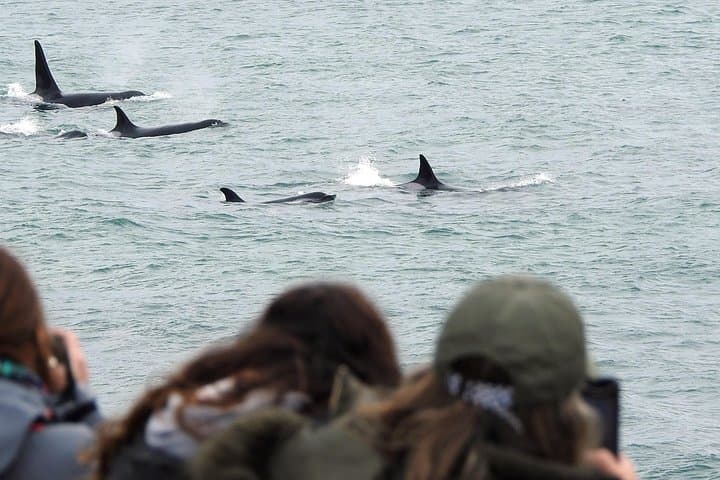
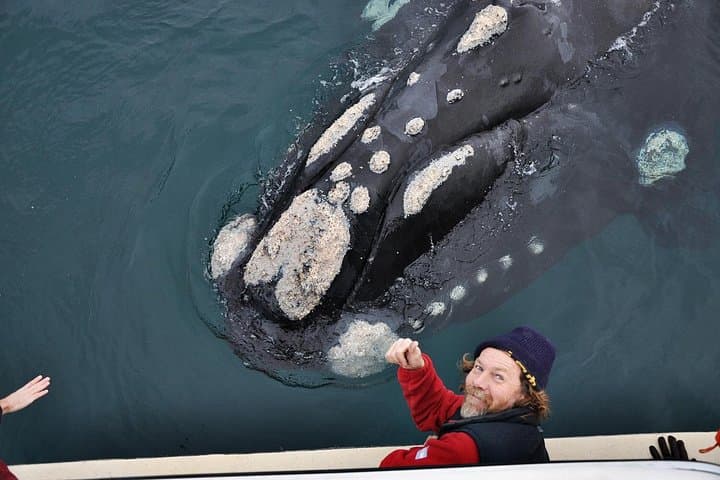
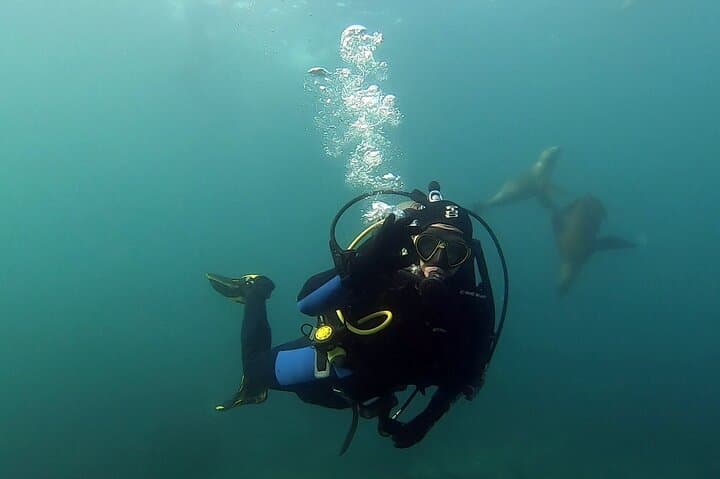
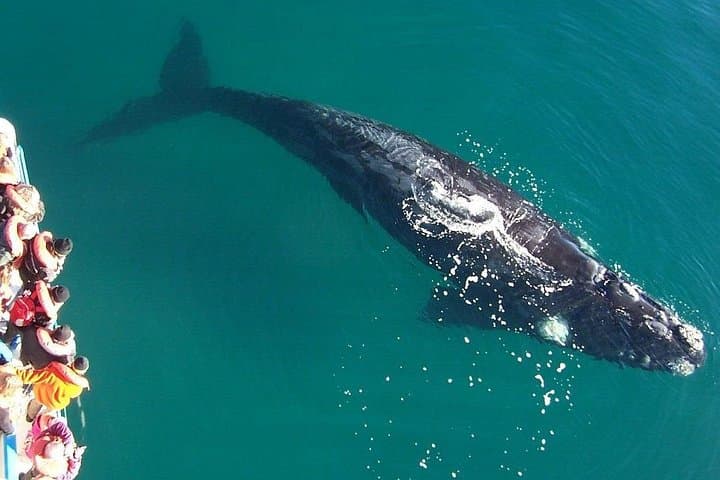
Historically, the area has been valued by indigenous communities and later protected to conserve the fragile island ecosystem from development and human disturbance. Visitors to the protected area mainly comprise researchers and eco-tourists arriving during the warmer months, eager to experience birdwatching and coastal hiking. While there are no developed visitor facilities or campgrounds on the island, the surrounding waters are suitable for kayaking and boat tours, giving visitors close-up views of the island’s abundant marine life.
Due to its remote location and environmental sensitivity, access to Valcheta Island Protected Area is limited and strictly regulated to minimize human impact. Its appeal lies primarily in wildlife observation, especially for birdwatchers and naturalists focused on Patagonian coastal ecosystems. The island is part of a larger network of protected coastal and marine areas in southern Argentina that together safeguard diverse species and contribute to conservation research efforts.