Wilderness Landscape & Natural Heritage
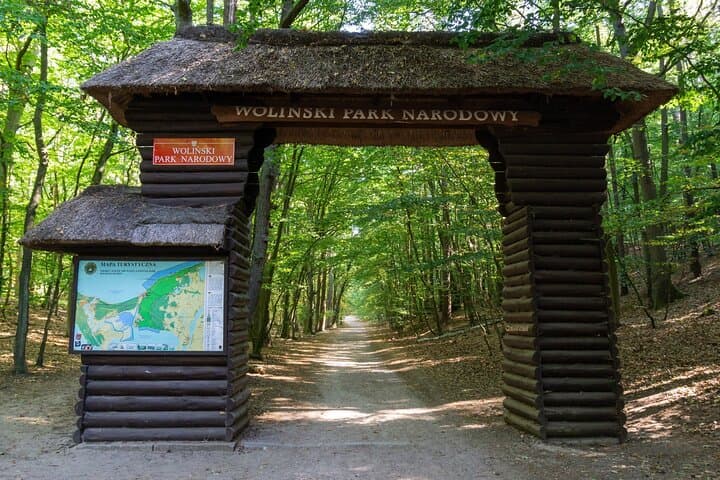
Located on the Baltic Sea’s Usedom Island in northeastern Germany, the Usedom Island Nature Reserve encompasses diverse natural habitats, including coastal dunes, salt marshes, reed beds, and mixed forests. This protected area covers much of the island’s eastern and northern parts, preserving its unique ecological character and supporting numerous rare and endangered plant and animal species. The landscape is shaped by glacial activity and the ongoing influence of the Baltic Sea, resulting in gently rolling dunes and wide sandy beaches that attract both nature enthusiasts and casual visitors. Historically, the island has been a place of settlement since prehistoric times, with its coastal environment playing a vital role in local fishing and maritime trade. Today, the nature reserve is a popular destination for outdoor recreation, drawing birdwatchers hoping to see migratory species, hikers following coastal and forest trails, and swimmers enjoying the sandy shoreline. Noteworthy ecological highlights include the large reed beds that serve as important breeding grounds for waterfowl and the presence of rare orchids in the dune ecosystems. Infrastructure within the reserve includes well-maintained footpaths, informational signage, and designated observation points that allow visitors to experience the landscape while minimizing disturbance to wildlife. The reserve's proximity to charming small towns like Zinnowitz and Koserow ensures visitor comforts, while still offering a predominantly tranquil environment for nature appreciation.