Wilderness Landscape & Natural Heritage
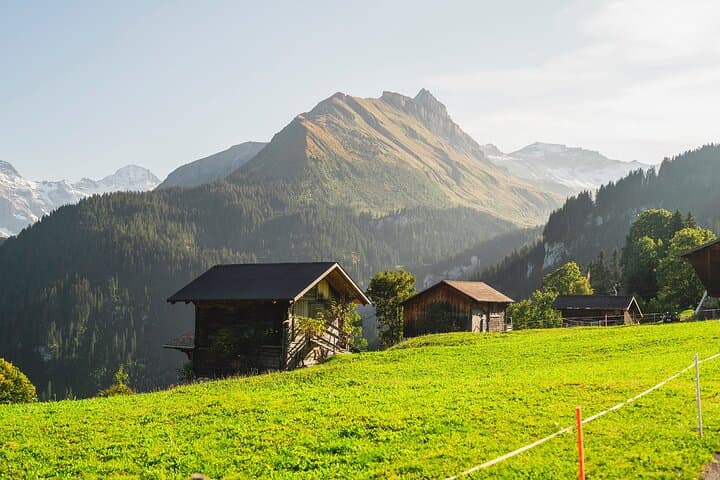
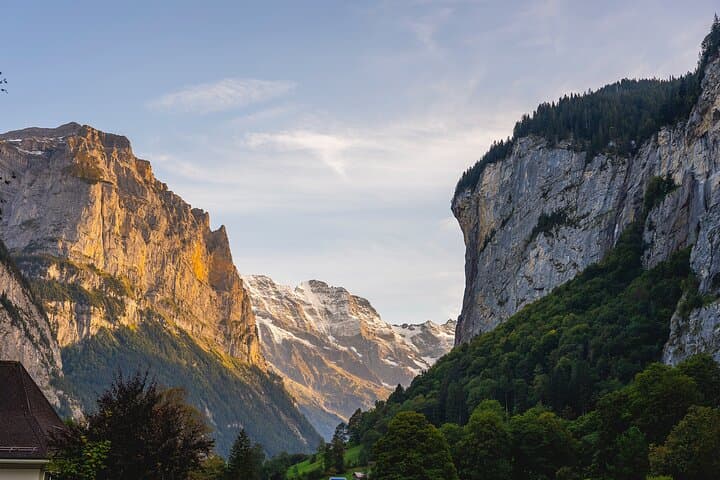
The Urner Alps are a prominent mountain range located in central Switzerland spanning portions of the cantons of Uri, Valais, Obwalden, and Bern. This highly glaciated region is known for its rugged terrain, with iconic peaks such as Dammastock (3,630 m), the highest summit in the range, and the Sustenhorn, further enriching the region's alpine skyline. The Urner Alps are delineated by major passes like the Furka and Susten Passes and are drained by key alpine rivers including the Reuss and Rhone. The region’s ecology is characterized by alpine meadows, subalpine forests, and diverse wildlife including ibex, chamois, marmots, and golden eagles. Historically, the Urner Alps have been a critical natural barrier and cultural crossroads between central and western Switzerland, with routes such as the Gotthard Pass functioning as ancient trade paths.
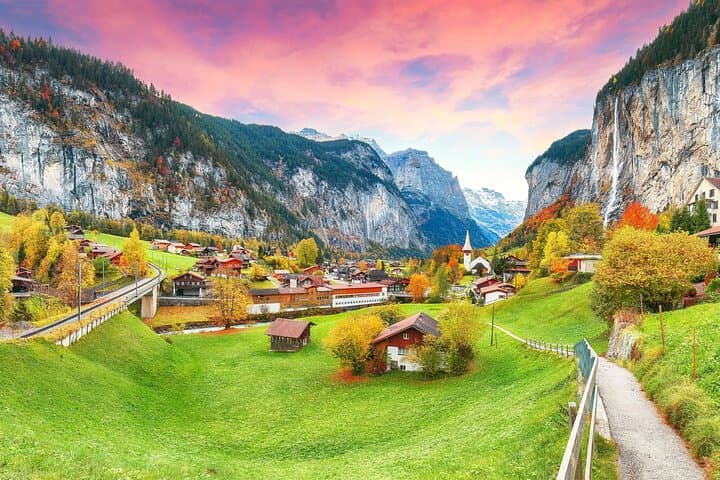
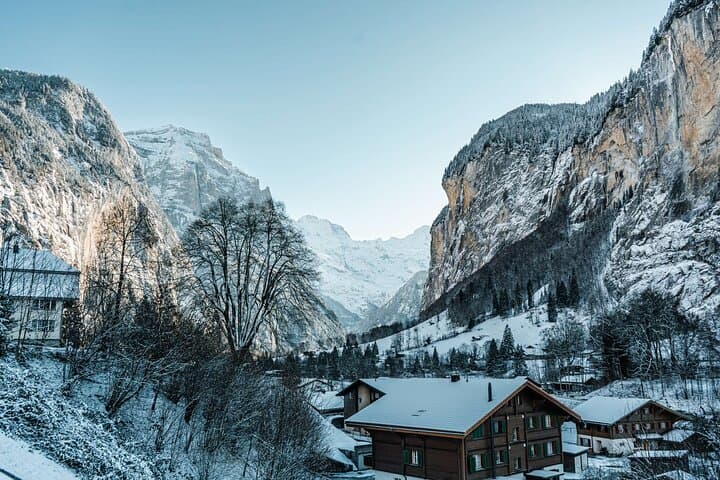
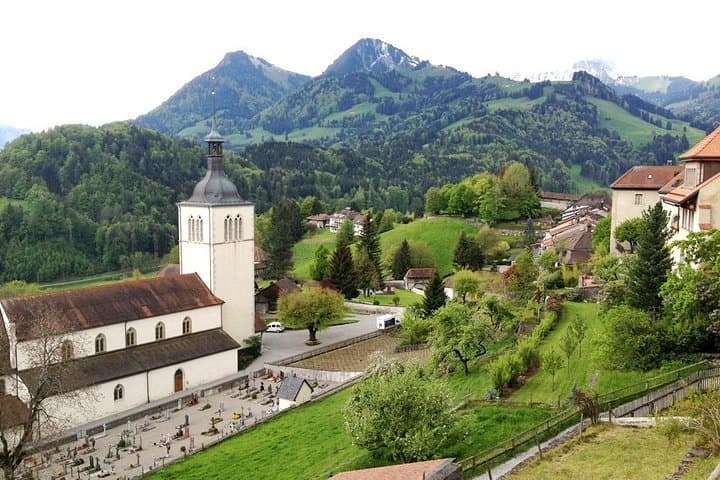
Outdoor enthusiasts are drawn to the Urner Alps for hiking, mountaineering, rock climbing, and glacier trekking across its interconnected paths like the Swiss Alpine Pass Route. The region’s valleys, such as the Göschenertal and the valley of the Reuss, provide access points to pristine nature and traditional alpine villages renowned for Swiss hospitality. In winter, the area also supports ski mountaineering and backcountry skiing. The mix of alpine lakes, panoramic ridges, and historic mountain huts provides visitors with immersive wilderness experiences. Protected areas within the Urner Alps promote conservation of its fragile ecosystems while supporting sustainable alpine tourism, offering a pristine alpine environment rarely matched in Europe.