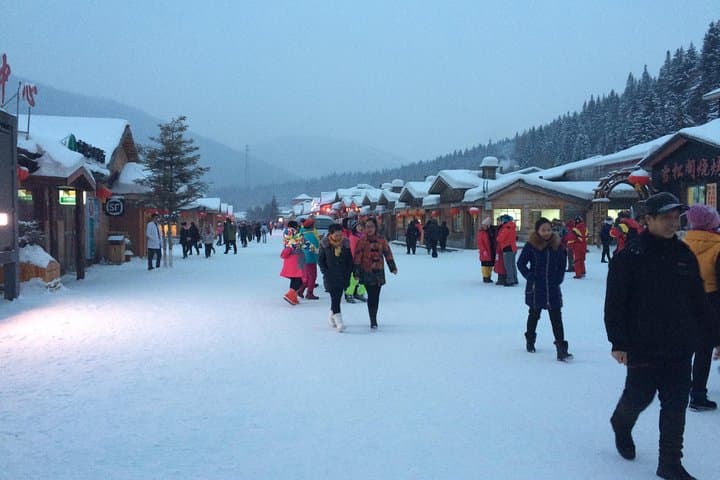
Wilderness Landscape & Natural Heritage
The Tumen River Wetland Protection Zone encompasses vital wetland habitats along the lower reaches of the Tumen River, which serves as part of the international border between China, Russia, and North Korea. This region is characterized by extensive marshes, reed beds, tidal flats, and freshwater lakes that support diverse ecosystems and large populations of migratory waterfowl. The wetland plays a crucial role as a staging, breeding, and wintering habitat for numerous bird species, including several threatened and endangered species such as the red-crowned crane and the white-naped crane. Aside from its ecological importance, the area also has cultural significance due to its cross-border location and historical trade routes. The wetland falls under various national protections and is part of international conservation efforts, including being recognized under the Ramsar Convention on Wetlands for its outstanding ecological value. Outdoor activities in this area are limited and carefully managed to protect its fragile ecosystems, but controlled birdwatching, ecological research, and guided nature tours provide visitors with unique opportunities to observe rare wildlife and pristine natural landscapes. Visitor appeal hinges on the zone’s status as a haven for biodiversity and a rare glimpse of one of Northeast Asia’s last large wetland complexes. The landscape offers serene views of vast reed beds interspersed with winding river channels, attracting photographers, ornithologists, and conservationists alike.