Wilderness Landscape & Natural Heritage
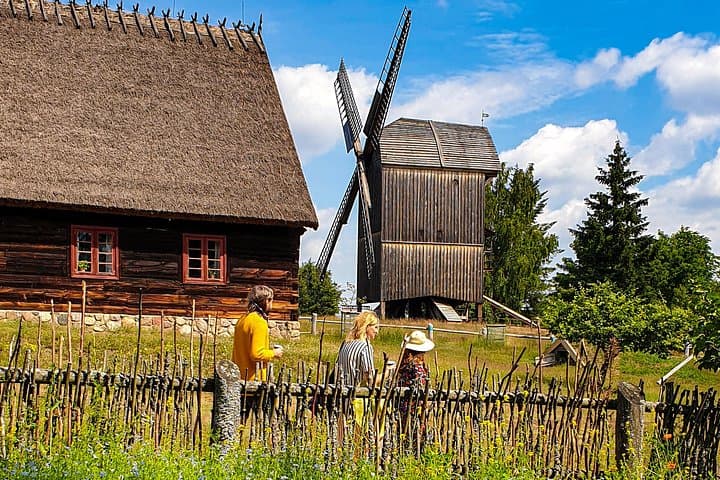
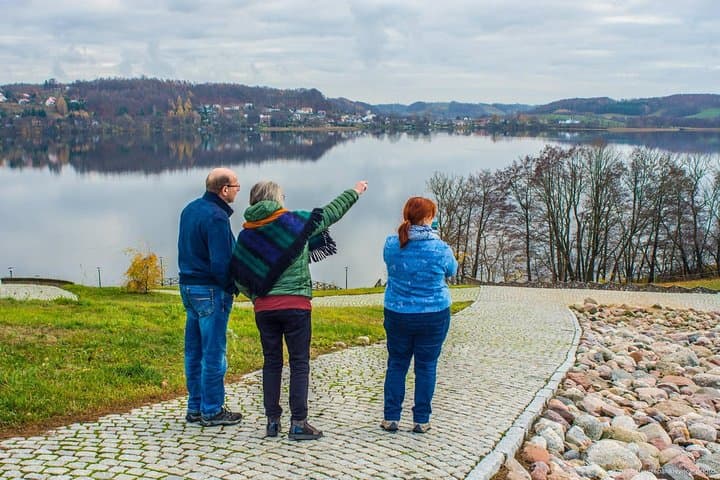
The Tuchola Forest Biosphere Reserve, located in northern Poland, encompasses one of the largest continuous forested areas in Central Europe. Spanning parts of the Kuyavian-Pomeranian and Pomeranian Voivodeships, it covers roughly 3,200 square kilometers of predominantly coniferous forests, interspersed with peat bogs, lakes, and rivers. Established under UNESCO's Man and the Biosphere (MAB) Programme, the reserve aims to balance ecosystem conservation with sustainable human development. The forest's sandy soil supports mainly pine trees, but pockets of mixed forests include spruce, oak, and birch. This diverse natural setting is home to a variety of wildlife species such as moose, red deer, wild boar, European beaver, and numerous bird species including black storks and white-tailed eagles. Visitors find the biosphere reserve a haven for outdoor recreation, offering miles of forest trails perfect for hiking, cycling, and horseback riding. Canoeing and kayaking on the Brda and Wda rivers provide scenic paddling opportunities. The area is also rich in cultural heritage, with archeological sites and traditional Kashubian villages nearby. Key highlights include pristine lakes like Charzykowskie and Wdzydze, the Wdzydze Landscape Park with its ethnographic museum, and the extensive peat bogs of the Zaborski Landscape Park. The reserve provides a tranquil wilderness experience close to urban centers, making it a favored destination for nature lovers and eco-tourists throughout the year.